TL;DR
Insurers investing policyholder money in related parties is a common industry practice, and Guggenheim is just the most extreme case.
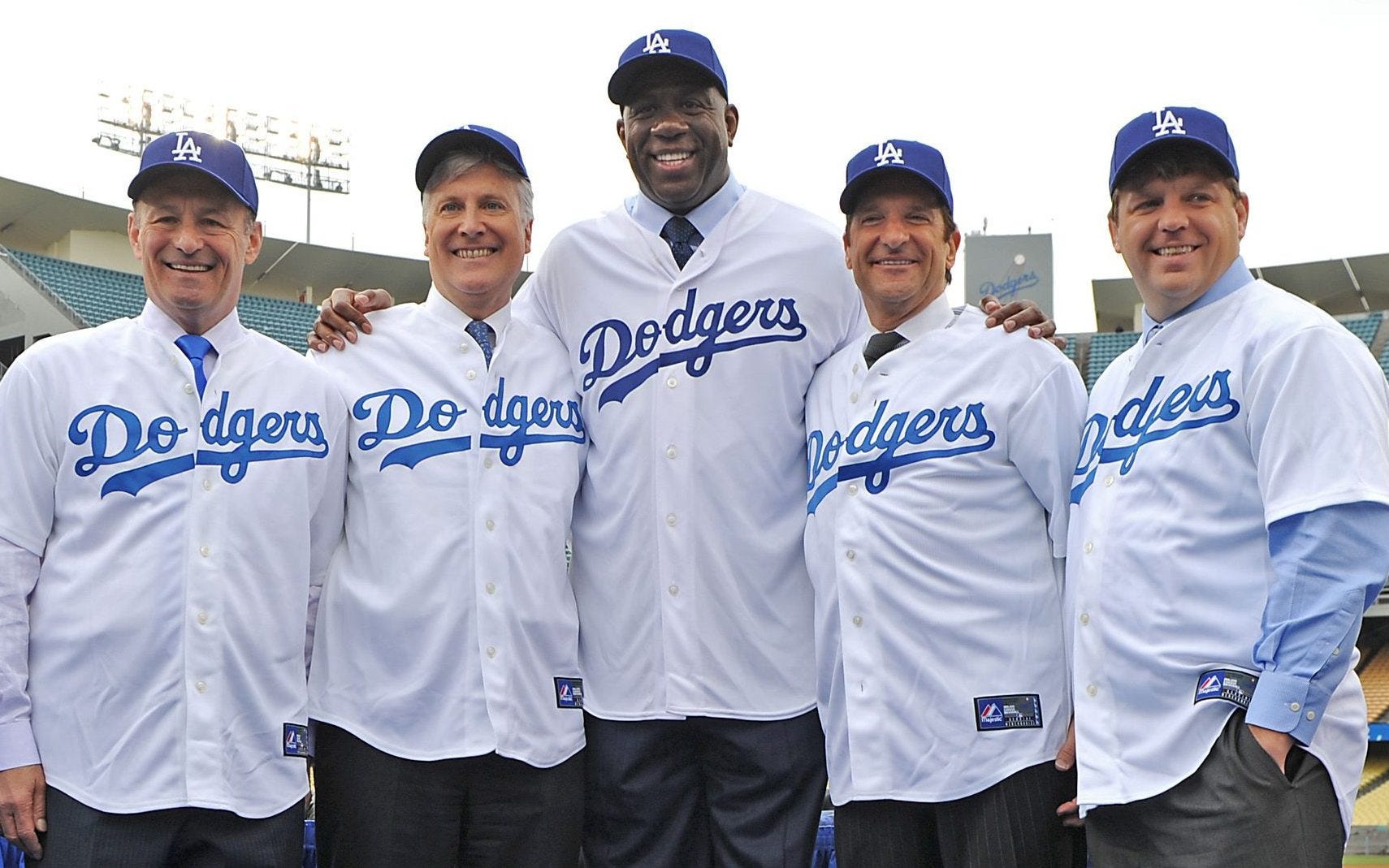
In 2012, Clarice Whitmore, an Arkansas resident, paid about $45,000 for an annuity from Security Benefit Life. She had no idea that money would soon be lent to Guggenheim Baseball Management — to fund the acquisition of the LA Dodgers, totaling over $960 million.
The insurer became the boss's cash machine
Whitmore's lawyers alleged that Guggenheim-controlled insurers invested $5.1 billion in companies linked to Guggenheim and lent nearly $1 billion to business associates. These investments were large relative to reported surplus, and cross-reinsurance inflated apparent financial strength.
The lawsuit was dropped, but the allegations persisted. This year, Delaware Life and Clear Spring Life received grand jury subpoenas investigating whether private credit investments should have been disclosed as related-party transactions. After restating, Delaware Life's affiliated investments jumped from 3% to 42% of assets, and they found $22 billion in undisclosed deals.
The boss scrambles to fix, but the industry problem remains
Guggenheim CEO Mark Walter pledged remediation, selling $6.5 billion in affiliated assets and planning to sell his Lakers stake and Chelsea FC. But similar practices are widespread in private credit, and Guggenheim is just the sharp edge.
Curated from high-quality sources, with concise summaries and key takeaways.

