TL;DR
Kudzu was once seen as the South's savior, but after agriculture changed, it was abandoned and demonized as an invader.
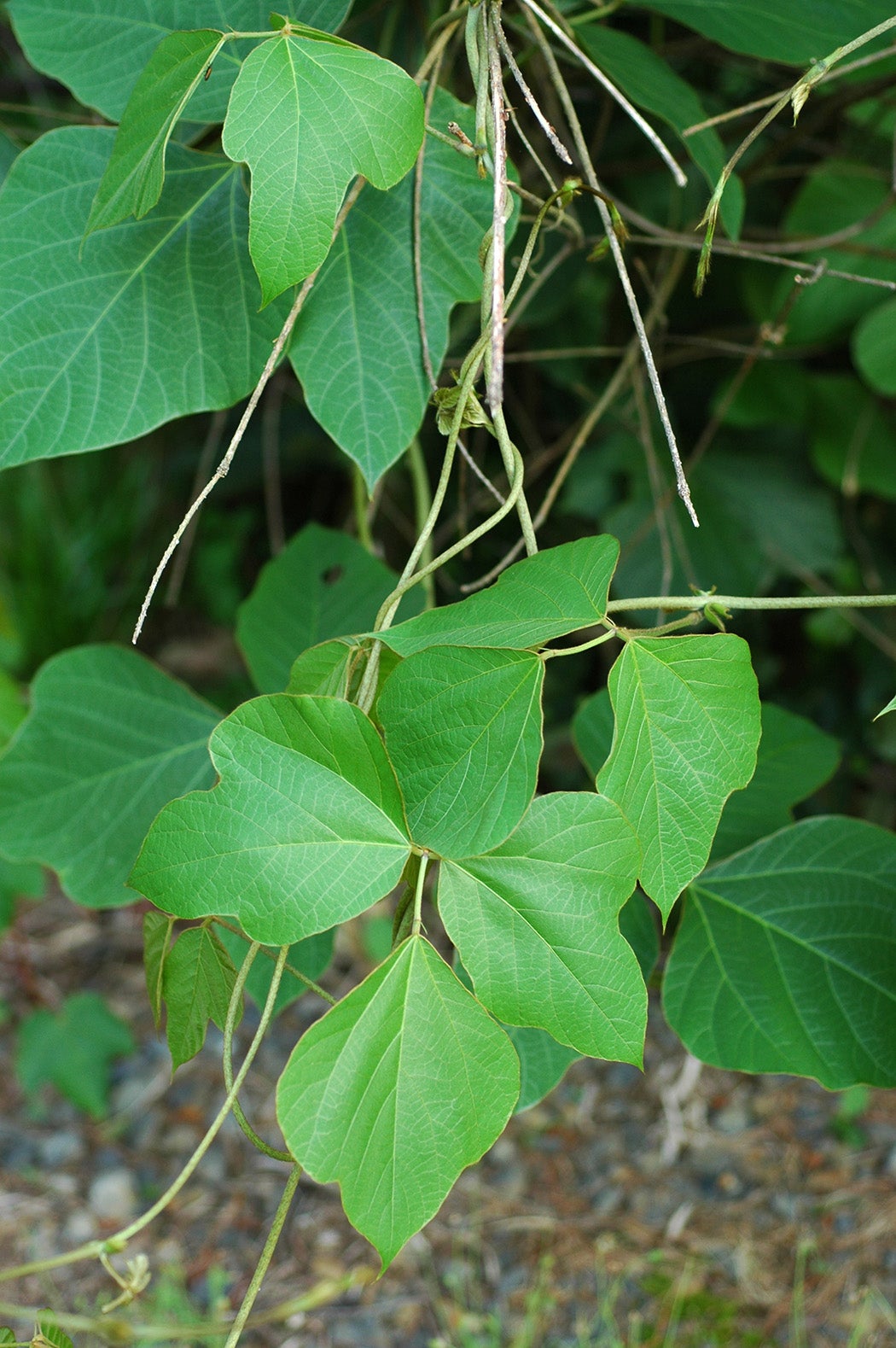
In the American South, few plants are as recognizable as kudzu. Its vines blanket trees and power lines, turning roadside clearings into walls of green. Over time, it earned a scary nickname: 'the vine that ate the South.'
But the truth is more complicated. Kudzu was originally invited in as a savior. Back then, the South's soil was exhausted from years of cotton farming, and erosion was a huge problem.
Kudzu's Glory Days
In the 1930s, during the Great Depression, the government was desperate. Then they discovered that kudzu grows fast, needs little care, and even replenishes the soil with nitrogen. So, they started giving away free seedlings and even paying farmers to plant it. By 1946, about 3 million acres were planted.
And it worked. Experiments showed that land with kudzu lost far less soil and water than land with cotton. It gave the tired land a second life.
From Hero to Villain
But the good times didn't last. After WWII, chemical fertilizers, herbicides, and machinery became the new favorites. Kudzu was suddenly useless. The government quickly turned its back, even listing it as a noxious weed and banning its transport.
Abandoned, kudzu spread on its own. People started to panic, claiming it swallowed 150,000 acres a year and covered millions. But in reality, kudzu only thrives in sunny spots, like roadsides and forest edges. Forest Service data shows it truly occupies only about 227,000 acres—far less than the myth.
The story of kudzu reflects the South's own changes. People's attitudes toward it—from hope and dependence to fear and disgust—mirror the region's scars and transformations.
Curated from high-quality sources, with concise summaries and key takeaways.

