TL;DR
The fetish for natural fibers ignores the real utility of synthetics and wrongly equates 'natural' with 'better'; fiber quality, construction, and purpose matter more.
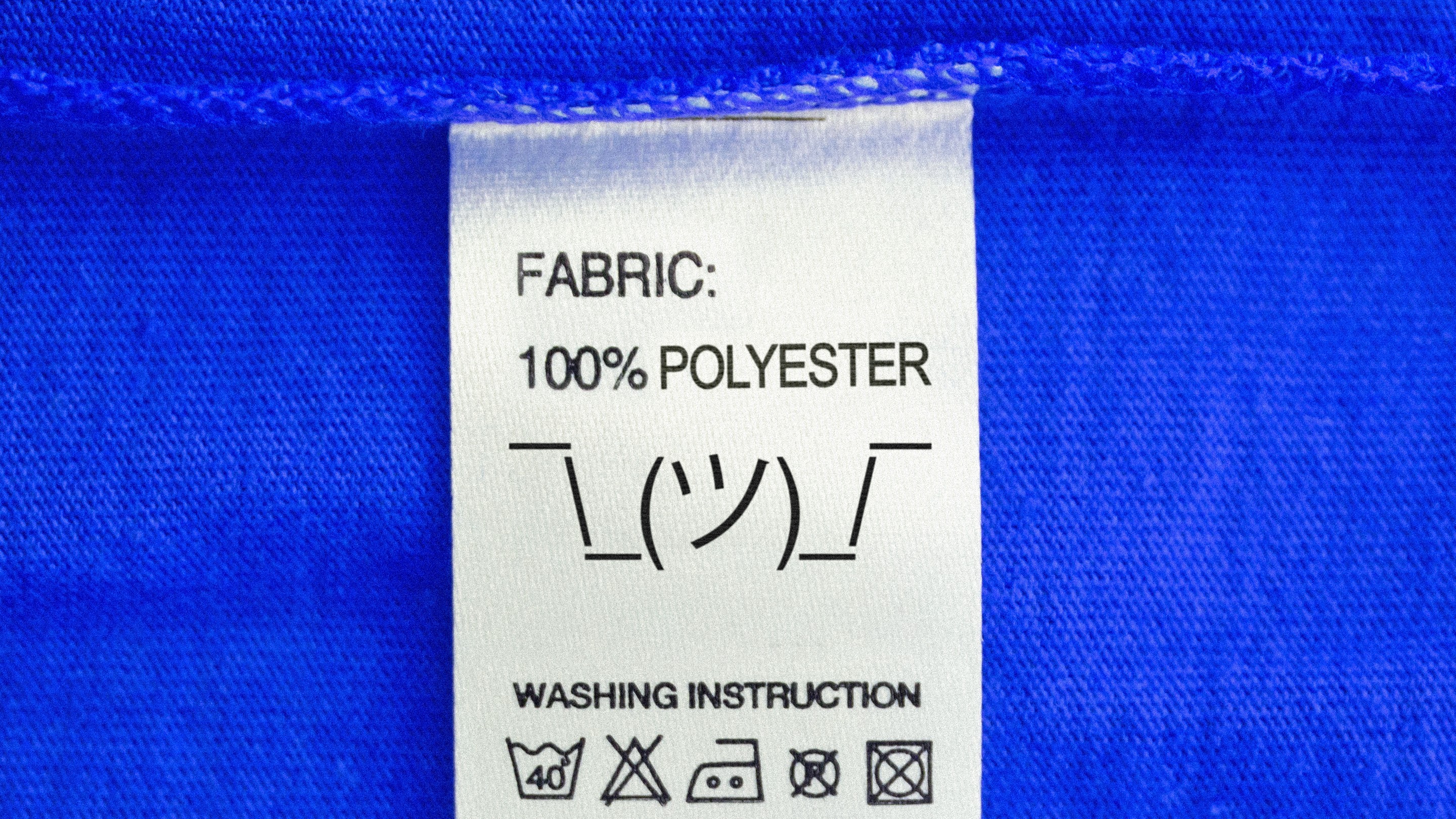
Lately, the internet's self-optimizing men have a new fixation: their underwear. They disdain the polyester and spandex in regular briefs, worry about microplastics and forever chemicals, and long for the natural-fiber underwear of their ancestors. On Reddit, one user asks for linen to sew his own, while another complains that organic cotton and hemp chafe.
This craze goes beyond underwear. People purge their closets of synthetics, and Gen Z uses 'polyester' as an insult meaning cheap and inauthentic. Fashion journalists praise natural-fiber activewear for showing off 'nasty sweat.' Natural fibers are indeed nice: they don't shed microplastics, biodegrade, and feel luxurious. But the zeal has gone too far.
Synthetics aren't the enemy
Man-made fibers exist because they offer properties nature can't. When DuPont debuted nylon in 1939, it promised to free women from drudgery. Today, polyester wicks sweat for sportswear, a bit of nylon strengthens hiking socks, and Issey Miyake's signature pleats keep their shape because they're polyester. A cotton raincoat that doesn't repel rain is a poor purchase.
Synthetics also make clothes more durable and easier to care for—no hand-washing, no moth worries—which can reduce waste.
'Natural' doesn't guarantee quality
Silk and wool are nice, but what truly matters is fiber quality, weave, and construction. The same cotton T-shirt can last wildly different times depending on the length of the cotton fibers. Marketing terms like 'organic cotton' say nothing about durability. Cashmere sweaters range from $50 to $500 based on invisible differences in fiber.
And there are semi-synthetics like rayon and lyocell, made from plant material but processed with chemicals, which can be toxic or eco-friendly depending on the method.
In short, treating 'natural' as the only criterion is like judging a book by its cover. Fiber is just one factor; cut, workmanship, and care all determine a garment's worth.
Curated from high-quality sources, with concise summaries and key takeaways.

