TL;DR
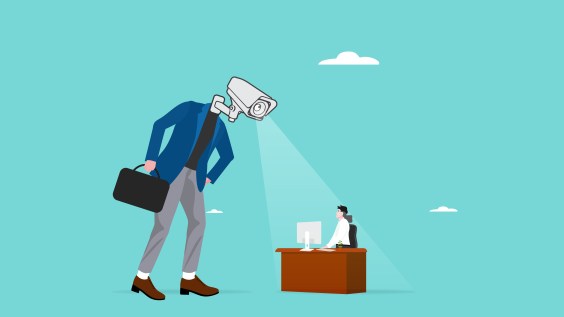
AI-powered employee surveillance is booming, yet research shows it rarely improves performance, often backfires by increasing stress, and mainly enriches software vendors.
Burger King recently put AI headsets called Patty on its staff to catch cashiers who skip 'please' and 'thank you' and to chime in when the soda runs low. From delivery drivers to warehouse workers, more people than ever live under a digital boss's eye.
Is surveillance a cure-all? Research says no
German psychologist Cornelius König reviewed the literature and found almost no evidence that monitoring boosts efficiency—workers perk up briefly, then revert to old habits, much like police body cameras that everyone stops noticing after a while.
Some workers even game the system: tapping their keyboards while reading a book at lunch. Being watched also makes people jumpy—a meta-analysis of over 23,000 subjects found monitored employees feel more stress and may have more accidents, not fewer.
Mountains of data, but bosses are in the dark
Surveillance software is selling fast, with the global market expected to top $4 billion in 2026. But researcher Kirstie Ball points out that many companies have no idea how to use all that data—'they end up with terabytes on a drive somewhere and don't know what to do with it.'
Laws are scrambling to catch up: the EU has strong privacy protections, but US workers get far less cover—Colorado Amazon drivers filed a class action after being forced to pee in bottles, a case that's still winding through the courts.
Surveillance doesn't have to be creepy—an Australian mine used brainwave headbands to nearly eliminate fatigue accidents, and remote-work research shows good managers beat good software. Transparency is the real fix.
Curated from high-quality sources, with concise summaries and key takeaways.

