Daily Picks

Tech

Tech

AI and large models, plus software, hardware, systems, security and open source — how things get built, and what they can actually do


Derek Thompson
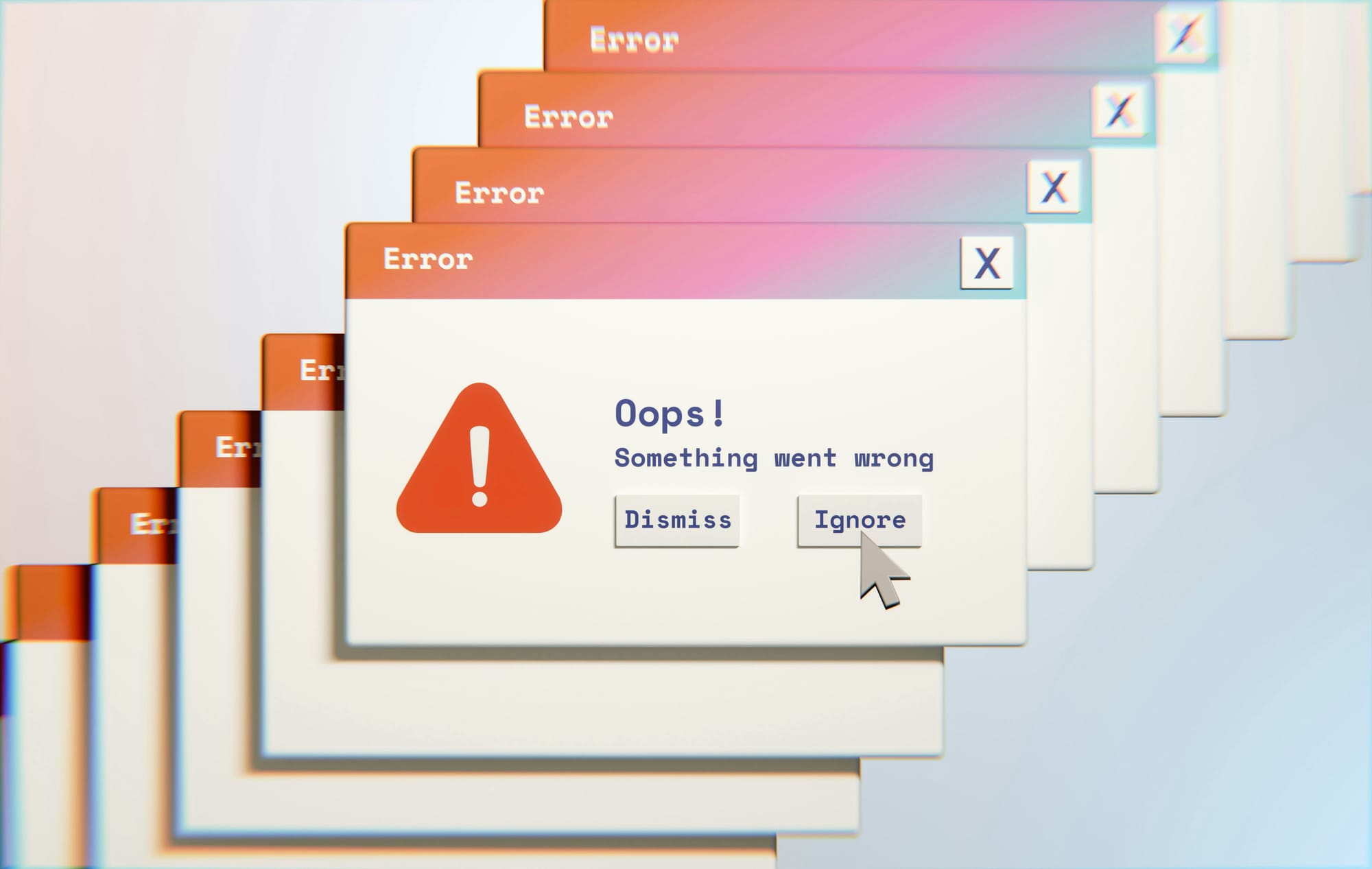
We patched the holes and crashed the systemCybersecurity expert Nicole Perlroth says AI now finds software flaws at machine speed, and companies racing to patch before attackers get in ended up causing this week's US flight ground stop and bank outages themselves.
404 Media
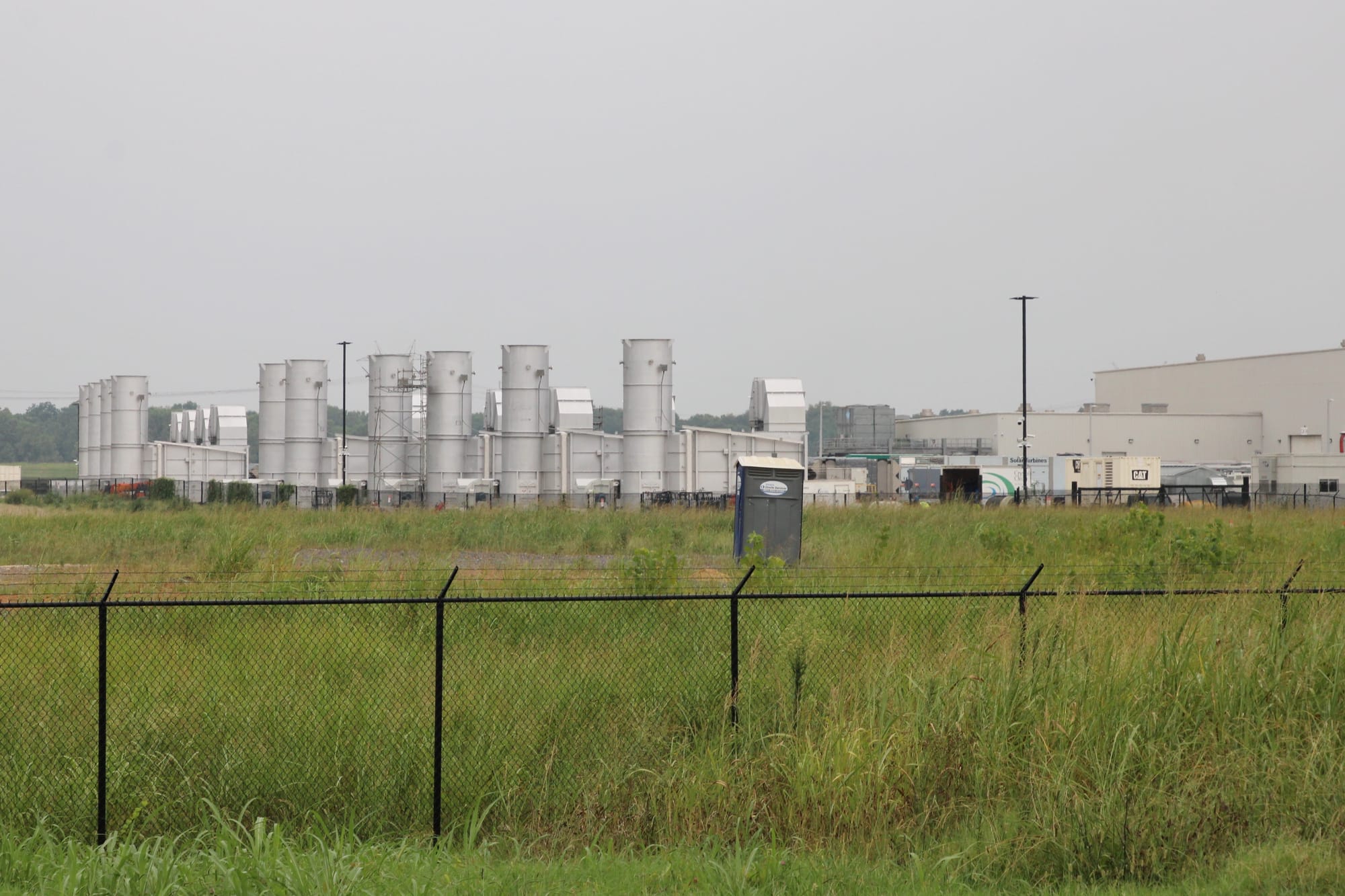
Black neighborhoods are twice as likely to host a data centerResearchers at George Washington University and American University examined 81,000 US census tracts and 5,291 data centers and found that, within the same state, majority-Black neighborhoods have 2.2 times the odds of hosting a data center, majority-Hispanic neighborhoods 2.6 times and majority-Asian neighborhoods 4.2 times.
404 Media
ICE is paying AT&T to dig through your call recordsICE is paying AT&T millions a year for a service in which AT&T's own analysts sift through vast stores of raw call and location data for immigration investigations, all on an administrative subpoena rather than a judge's warrant.
Rest of World
AI isn't taking your job, it's turning it into low-paid gig workA recruiting platform advertises up to $180 an hour for U.S. physicians to label data, while offering up to $7.50 an hour in the Philippines and $12.50 in Tanzania for the same work: pay well to build a workforce, then cut rates and move on.
The Atlantic · Technology
Everything is breaking, and the culprit is the people writing codeIn a single week, Outlook, U.S. air traffic control, banking systems and the NSA's secure phone system all went down; a senator called it the greatest coincidence in history, but the trail leads to old systems and people shoving AI-generated code into them.
Uncharted Territories
The supersonic CEO says hardware engineers write bad codeThe founder of Boom says most hardware engineering is software engineering in disguise: engineers size wings and air-conditioning in spreadsheets, at the sophistication of a kid writing scripts.
Pluralistic
Banks trained us to be easy marks, then scammers moved inBanks, employers and insurers have spent years forcing customers through chaotic, ever-changing security rituals, which leaves the field wide open for fraudsters.
404 Media
The moment Apple Pay failed, I understoodAfter Apple Pay went down and left the author unable to rent a Lime bike, the piece asks why planes, banks and Microsoft all seem to be failing, and argues most of it is not hackers or AI but years of layoffs and rushed work.
WESTENBERG
Compute is the new oil, except H100 rentals went upAWS raised its H100 hourly rate from $5.19 to $5.97, and four hyperscalers plan to spend more than $700 billion this year on data centres, chips, power and cooling.
Where’s Your Ed At
Nvidia is the bubble, and Jensen Huang was the one blowing itAfter Jensen Huang resigned, a long essay traces how Nvidia used its own balance sheet to fund its customers and pay them to rent back its GPUs, inflating the entire AI bubble.
Ars Technica · Features
In GTA VI, the most thrilling part is assembling an Ikea coffee tableArs Technica reviews Grand Theft Auto VI and finds its best moments in the contrast between gunfights and chores like grilling burgers or building a coffee table.
Krebs on Security
Hackers A/B tested malware on 178 top websitesAttackers exploited a vulnerability in Optimizely to inject malicious scripts into visitors of 178 sites including BBC, CNN and Zoom, rebuilding the payload 26 times in a single day.
Dwarkesh Podcast
Paul Christiano: superintelligence could topple governments within a yearPaul Christiano, head of the Alignment Research Center, puts roughly a one-in-three chance on superintelligence capable of overthrowing a government arriving within a year if development does not slow.
ChinaTalk
The US closed the cloud loophole, except at homeThe Commerce Department's 132-page export rule targets Chinese access to overseas AI compute for the first time, but it does not apply inside the United States, so Chinese firms could simply move their rented compute to Northern Virginia.
WESTENBERG
Your second brain is just a very expensive hard driveA reality check for Obsidian and Zettelkasten enthusiasts: storing ten thousand notes is not thinking, and a model only learns by predicting, being wrong and adjusting.

Other topics