TL;DR
Storms and droughts dent economic output for two years, the most extreme floods wipe 3.2% off GDP after two years, and poor countries take far heavier hits than rich ones.
Nobody in Europe in the summer of 2026 needs reminding that extreme weather is getting more frequent. A new IMF study went through the records of 196 countries from 1970 to 2023, tracking what happened to real GDP after windstorms, floods, droughts, heatwaves and cold snaps.
Some disasters pass quickly
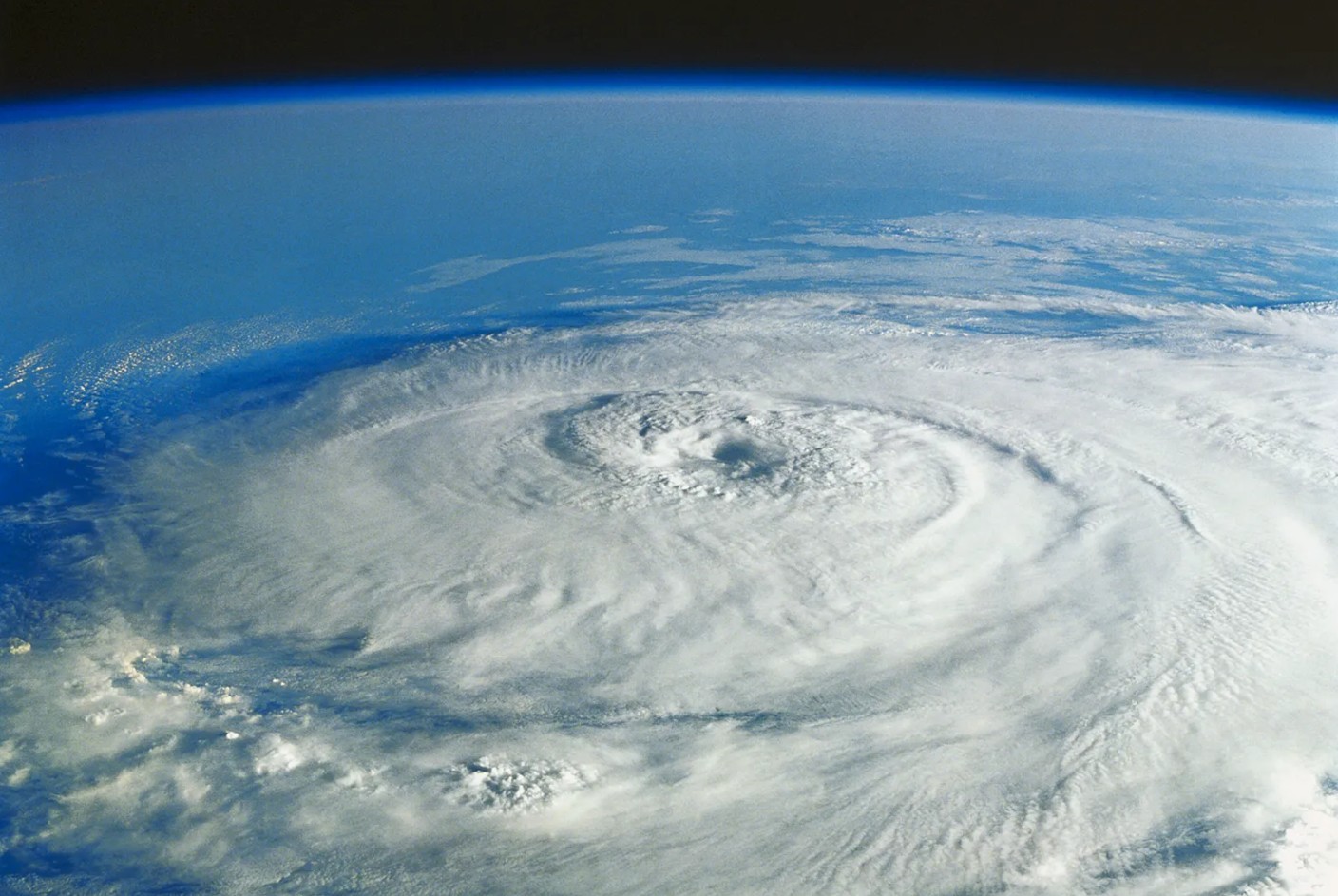
Floods, heatwaves and cold snaps leave no lasting scar on average. Hurricanes, typhoons and droughts are different — GDP is still 0.1 to 0.2 percentage points lower two years later.
The terrifying part is the top 1%
That was only the median. Push out to the most severe 1% and the picture changes: the worst windstorms still cut output by 0.5% after two years, and the most extreme floods cut it by 3.2%.
The same disaster hits a rich country and a poor one differently. Poorer countries recover less and lose more two years on.
The author draws one conclusion: when you build flood defences or storm protection, the bill looks frightening, but when the disaster actually lands, the cost to society is several times larger. Even at billions of dollars, the money is well spent.
Put plainly, disaster prevention is not an expense. It is insurance bought at a discount.
Curated from high-quality sources, with concise summaries and key takeaways.

