TL;DR
America's wildfire deadlock comes from three camps each insisting its one method is best, when the effective approach is wiring all three methods together.
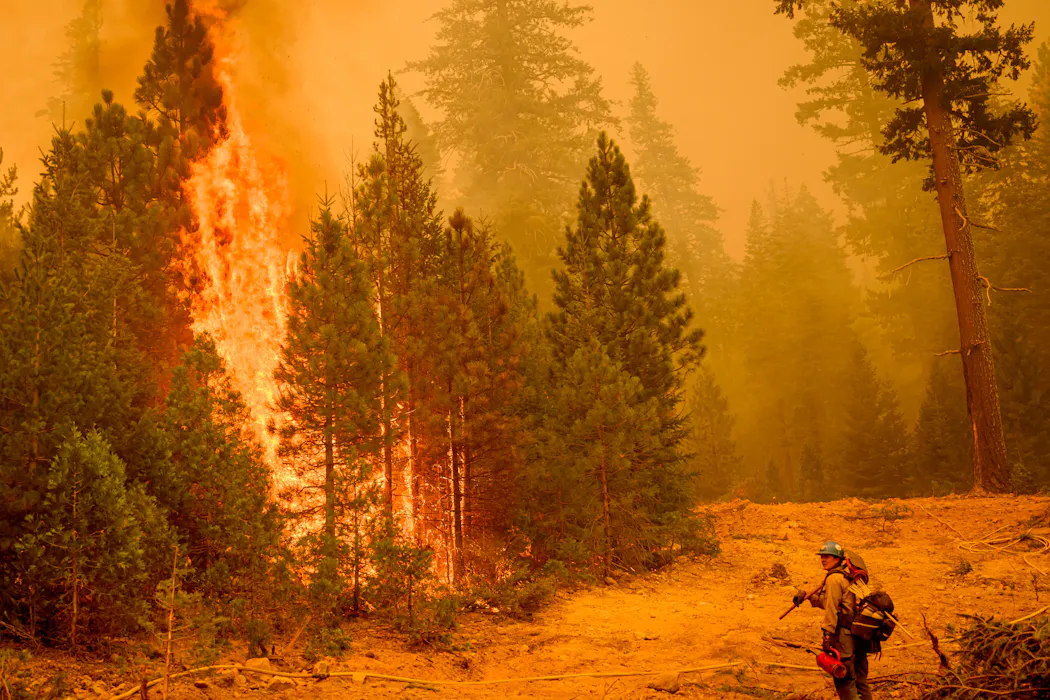
American wildfire management has one stubborn habit: assuming there is a single winning tactic that will settle the whole crisis. Whichever tactic is fashionable gets the money and the people.
Three camps, each on its own hill
The first camp wants every ignition hit fast and hard. It has been the default since the early 1900s and still is. The second says the real problem is fuel: decades of aggressive suppression left forests and rangelands piled with flammable vegetation, so scale up logging and controlled burning. The third says fire is coming anyway, so let it burn on our terms, when and where it is safe, an approach usually called managed wildfire.
Each camp keeps its own budget, workforce and culture, and they talk past one another. The result is a system that cannot keep up with rising fire risk.
The working answer is where they overlap
The question is not which camp is right, but where the three reinforce each other. Fuel treatments in the right places will not stop a fire alone, yet they lower its intensity and make suppression safer. Once fuels are treated, a lower-intensity fire can be allowed to spread in good weather, cutting future risk further. And the detection and real-time decision tools built for hitting fires hard are exactly what is needed to let one burn on purpose.
Everybody in one system
The Northern Colorado Fireshed Collaborative pulls federal and state agencies, local governments, water utilities and residents into one room. They coordinate fuel clearing across property lines, prepare homeowners with education and financial help, and run response and recovery as one connected system rather than separate ones. The authors argue no single entity can do this alone, and residents should check whether their area has a fire collaborative or a community wildfire protection plan, starting by clearing dry brush around their own homes.
Curated from high-quality sources, with concise summaries and key takeaways.

