Patient influencers who share their chronic illness online can lead followers to map their own bodily sensations onto someone else's diagnosis, intensifying or even producing symptoms.
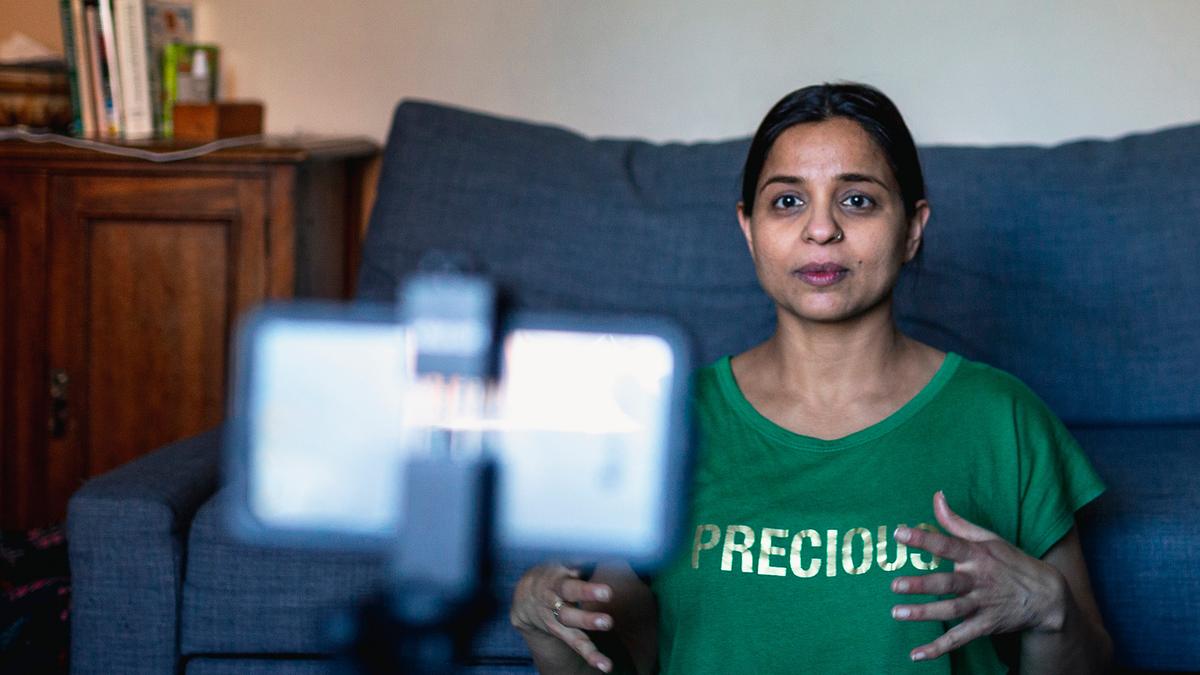
A university student in the UK started posting about life with long COVID after an infection; she did not expect that such posts could lead followers to mistake someone else's illness for their own.
What chilled me most was an experiment: people who watched an actor act nauseous in virtual reality later reported more discomfort themselves when they put on the headset. Researchers note that online you can see thousands of cases, far more than in real life.
So the posts are not necessarily lying. The algorithm just favours the frightening ones, and people filter their own bodily sensations to match what they expect.



Curated from high-quality sources, with concise summaries and key takeaways.

