
Daily Takes
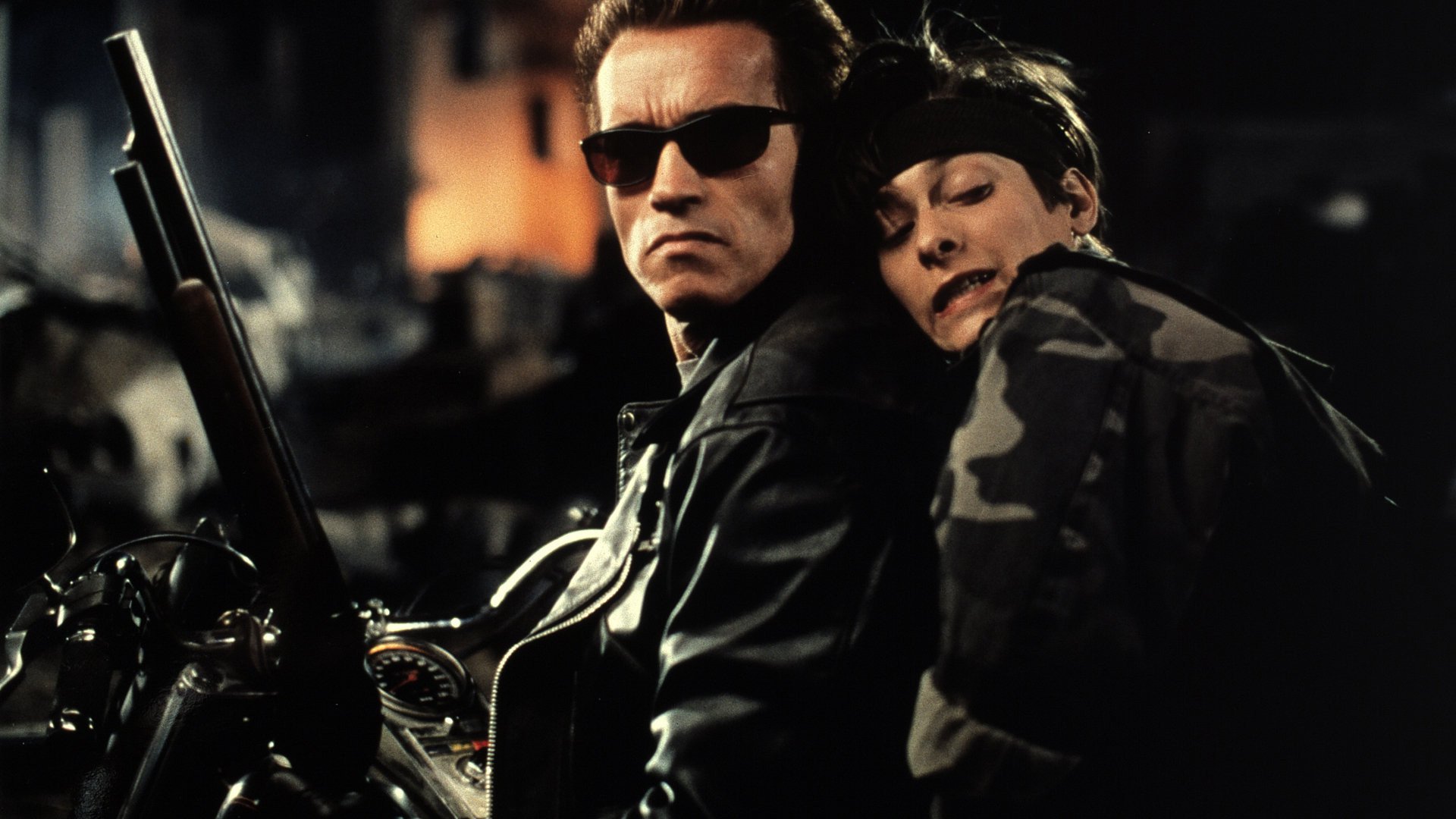
We Were Warned: On “Terminator 2: Judgment Day” at 35
TL;DR
The real warning of 'Terminator 2' is not that AI rebels, but that humans, by using machines, become like them and make choices they would otherwise never make.
Thirty-five years ago, 'Terminator 2: Judgment Day' hit theaters. It was a warning about the rise of computers. Today, it serves as a mirror showing how technology changes human beings.
1. Machines turn you into a devil
At the start of the film, teenage John Connor orders the robot T-800 to stand on one leg, then to attack a bystander. The robot obeys, and John nearly gets a man killed. The scene reveals that the danger is not the machine, but how people use it.
Today, smartphones and algorithms act like that T-800, hooking people, altering behavior, and blurring ethical lines.
2. AI is not all-powerful; it has blind spots
The T-1000 is a liquid-metal robot that can shapeshift and mimic anyone, but it also makes mistakes. When it tries to move through a gate, it forgets it is holding a gun and gets stuck. This shows that machines, however advanced, are not perfect.
Modern AI image generators often mess up the number of fingers. They seem powerful but still have limits.
3. The real thing to police is yourself
In the film, Sarah Connor plans to assassinate a scientist, and she rationalizes that the T-800 would be a good father for John. It is just an excuse for murder. The machine makes her feel it is okay, so she does it.
The movie's famous line, 'The future is not set. There is no fate but what we make for ourselves,' applies today: AI may change us, but whether we keep our humanity is up to us.
In short: The threat of AI is not that it rebels, but that it makes us like it.