
Daily Takes
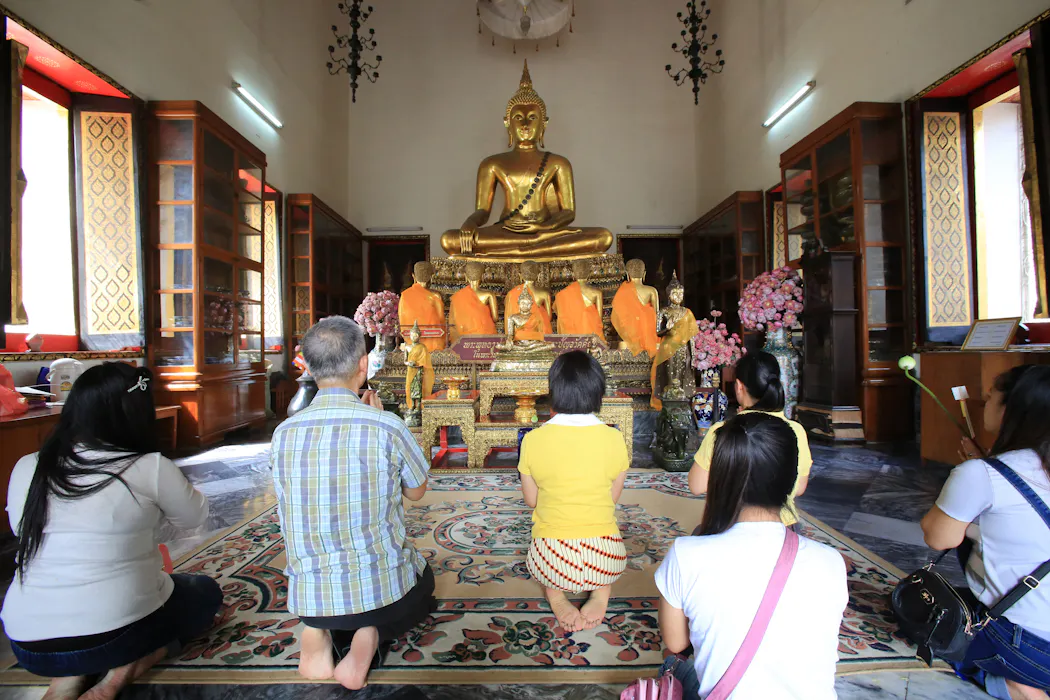
Most Westerners know Buddhism through meditation, but everyday Buddhist life looks quite different in Thai temples
TL;DR
In Thailand, Buddhist practice is not just meditation but a daily weave of merit-making, monk-lay interactions, and wish rituals.
Many Westerners picture Buddhism as meditation, but in Thailand it lives in everyday routines. The author led a study trip there and found local practice is a different story.
1. Making merit, as routine as a daily check-in
Making merit is the core of daily practice. The simplest way is donating money to a temple, but there are also fun activities: sticking gold leaf on a Buddha statue wherever you need healing, or hoisting holy water up a chedi to purify it symbolically.
People also match offerings to the Buddha statue of their birth weekday and zodiac animal. Born on Friday? Offer to Friday's statue. Born in the Year of the Monkey? Hang a monkey flag. Everyone ties merit to their own situation and wishes.
2. Monks and laity: a mutually dependent duo
Monks rely on laypeople for food and goods, while laypeople get merit and guidance from monks. Monks are like merit banks, transferring merit to donors.
But this bond can crack: during COVID, no one dared visit temples, and monks faced food shortages. In 2022, a famous monk's affair shattered trust, making people question younger monks' commitment to celibacy.
3. Worldly wishes, ritual exchanges
Most Thais see nirvana as too distant; they care about getting a job, winning the lottery, or finding a spouse. Temples often house Hindu gods like Ganesha, believed to grant such worldly boons.
Worship is an exchange: if the wish comes true, you must repay with offerings he enjoys, like boiled eggs, elephant figurines, or flower garlands. Ritual and daily life blend seamlessly.
After ten days, the author's students saw clearly: Thai Buddhism is a collective, lived practice — far beyond meditation.