TL;DR
A 2007 court rule makes tens of thousands of habeas corpus petitions in immigration cases inaccessible online, and a volunteer project with 400 members is fighting back by fetching and uploading the records themselves.
Habeas corpus is an ancient legal tool that has become a key way to challenge the Trump administration's immigration detentions. These petitions are public records, in theory available to anyone, but in practice they are invisible online—because a 2007 court rule blocks electronic access.
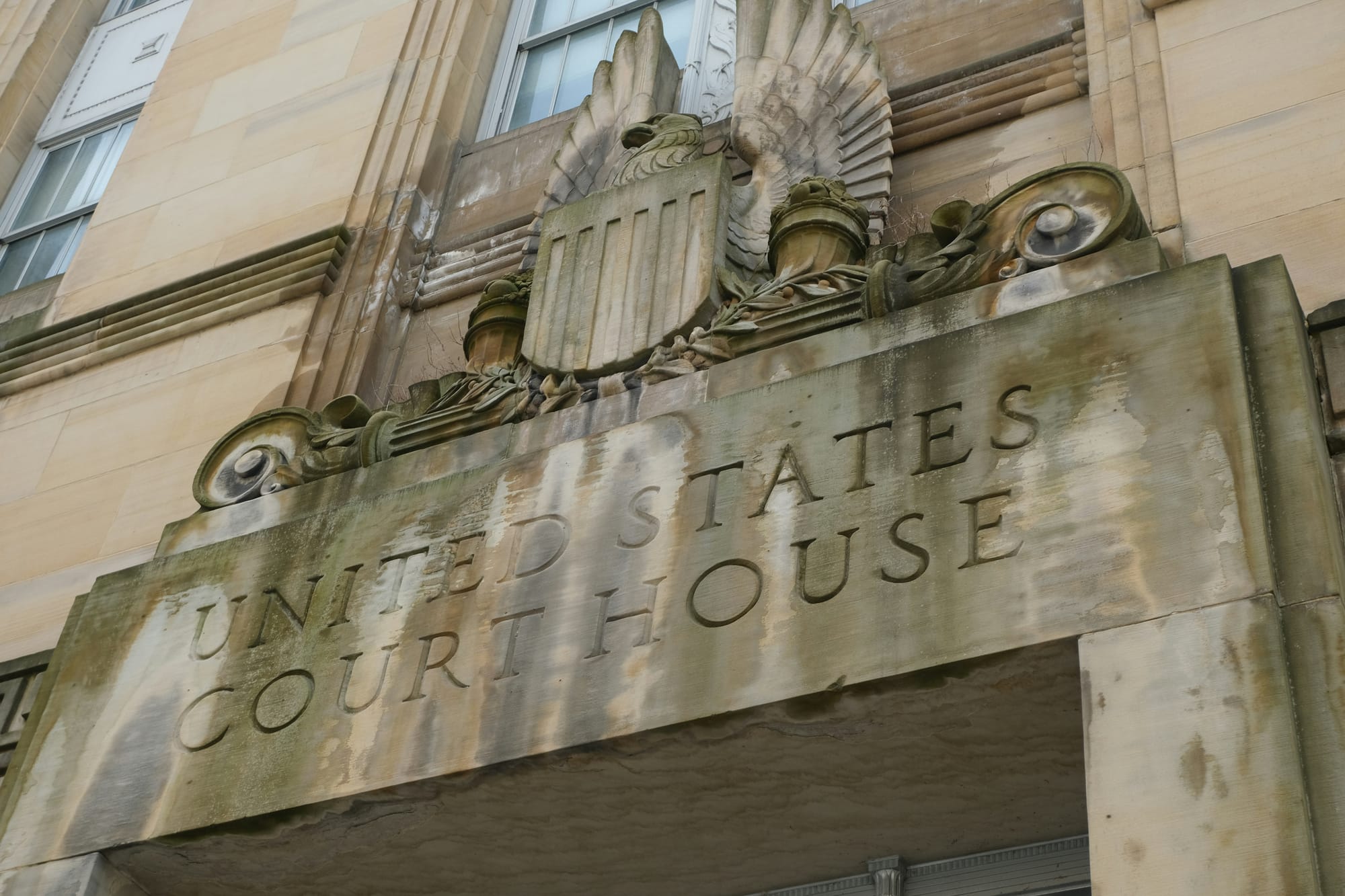
Want to see one? You have to go in person to a courthouse kiosk. If you live in Chicago and the case file is in northern Texas, you're out of luck. Software developer John Kyle Cronan ran into exactly that wall, and he decided to do something about it.
1. The rule was meant to protect privacy, but it became an information black hole
The reason for blocking electronic access was to protect sensitive information. Immigration cases often involve trafficking or domestic violence victims, and if such details were easily accessible online, abusers or traffickers could find and endanger them. So the rule required in-person viewing as a physical barrier.
In practice, however, attorneys, journalists, and researchers struggle to obtain these records, let alone in bulk. Renee Griffin of the Reporters Committee for Freedom of the Press says it takes much longer to get access in a single case and is basically impossible for many cases at once—a nationwide problem.
2. Volunteers relay court documents to the web
Cronan's project 'Habeas Dockets' has drawn 400 volunteers. They go to courthouses, view petitions at kiosks, photograph or take notes, and upload the content to the website. The team, including law students, retired people, and attorneys, reviews each filing to redact sensitive details.
The project has published about 29,000 documents and recently incorporated as a nonprofit. Cronan notes that these petitions are usually filed hastily and rarely contain asylum application details, but they record the bare facts of detention—crucial for oversight of the government.
Curated from high-quality sources, with concise summaries and key takeaways.

