Daily Picks

Society & Ideas

Society & Ideas

History, society, ideas and arguments — the long reads about how we live and how we think

Ars Technica · Features
A 10-line AI bug fix got this indie game judged outHouse House admitted it used a large language model to help fix a Unity engine bug in Big Walk, code that is under 0.1% of the game, and some Independent Games Festival judges are refusing to vote for it.
Psyche
What the unhoused are shunned for isn't just povertyGiacomo Floris, a lecturer in moral and political philosophy at Leiden University, argues that 'aesthetic injustice' keeps unhoused people out of public space for how they look, when society denied them the means to look otherwise.
404 Media
Silicon Valley podcasters discover the anger is aimed at themThe four hosts of the All-In podcast spent a post-election episode acknowledging that Americans are angry at 'oligarchs' without ever realizing they are the oligarchs.
JSTOR Daily
Cringe isn't about them, it's about your feelings being betrayedEnglish and women's studies scholar J. Logan Smilges argues that cringe is not just an emotion but a political one: it arises when you believed your feelings matched someone else's, and their behaviour says otherwise.
The Conversation
What Billie Eilish saw at 11 is moving into more bedroomsDurham law professor Clare McGlynn says algorithms on large porn platforms push people toward extreme content like incest and strangulation, and a study of 16,000 young people links heavy early viewing to problematic sexual behaviour.
Dwarkesh Podcast
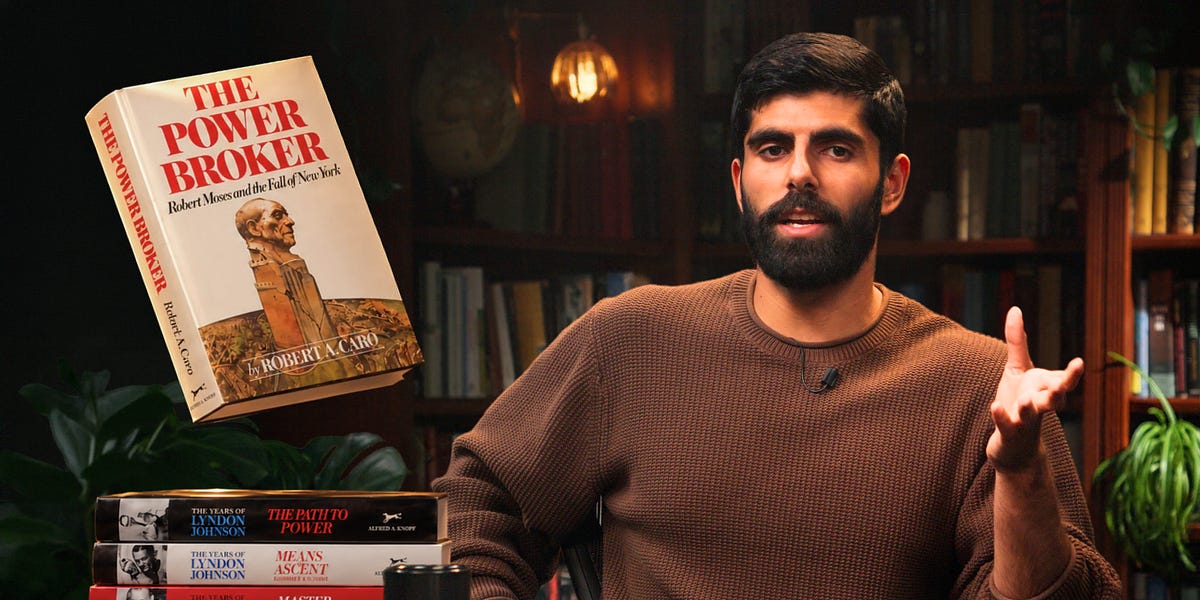
One buried sentence in a bill gave him New York for 30 yearsRobert Moses never ran for office, yet a clause he slipped into a bill he drafted made New York's bridges, roads and parks run through him for more than three decades.
The Atlantic · Technology
He brought a gun to a pizzeria hunting a monster, and found a mirrorThe gunman who stormed a Washington pizzeria in 2016 looking for a child-trafficking ring that did not exist was shot dead by police this January — he never found the monster, and ended up becoming it.
JSTOR Daily
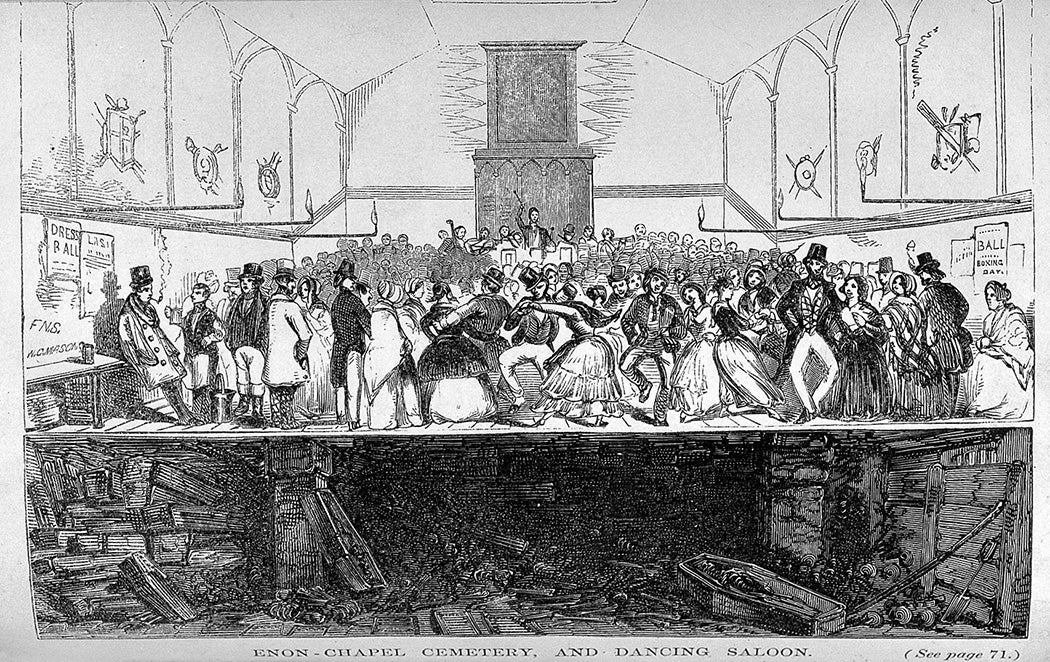
London once ran a train for the dead, with first, second and third class coffinsAfter an 1850 act banned further burials in churchyards, a private company ran trains carrying London's dead out to Brookwood Cemetery.
Psyche
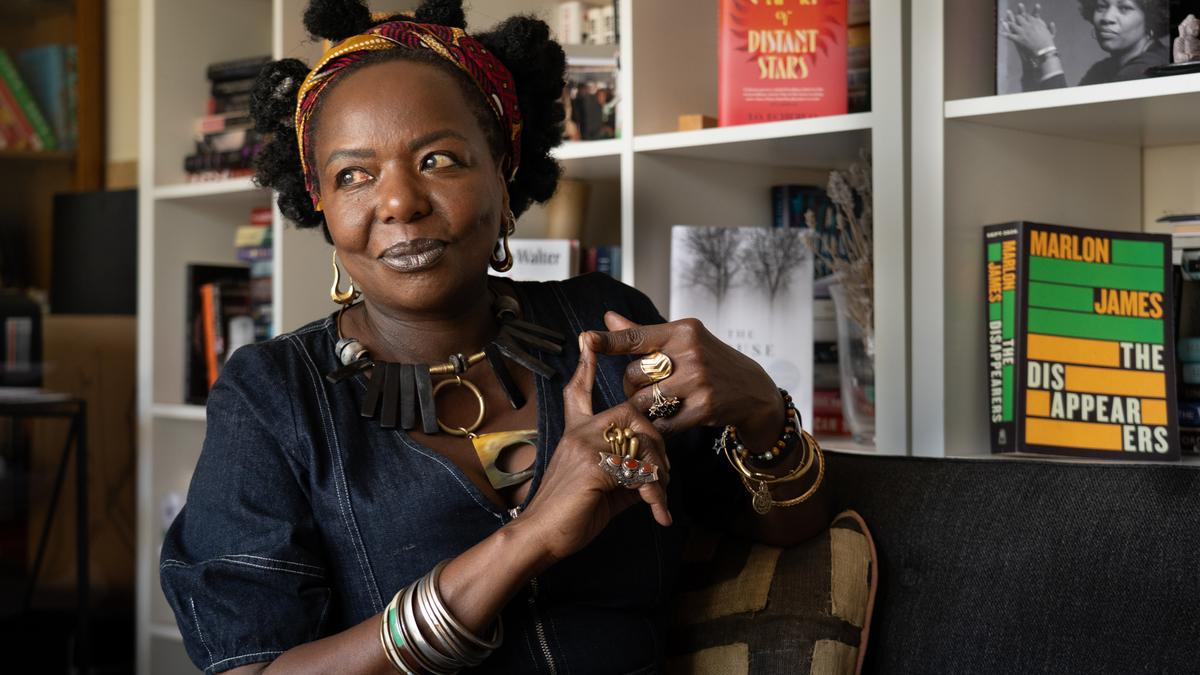
The most powerful woman in African literature edits, agenting and godmothers in oneEllah Wakatama, a Zimbabwe-born editor at Canongate and formerly Granta, has spent decades steering a generation of African writers into the English-language canon.
Works in Progress
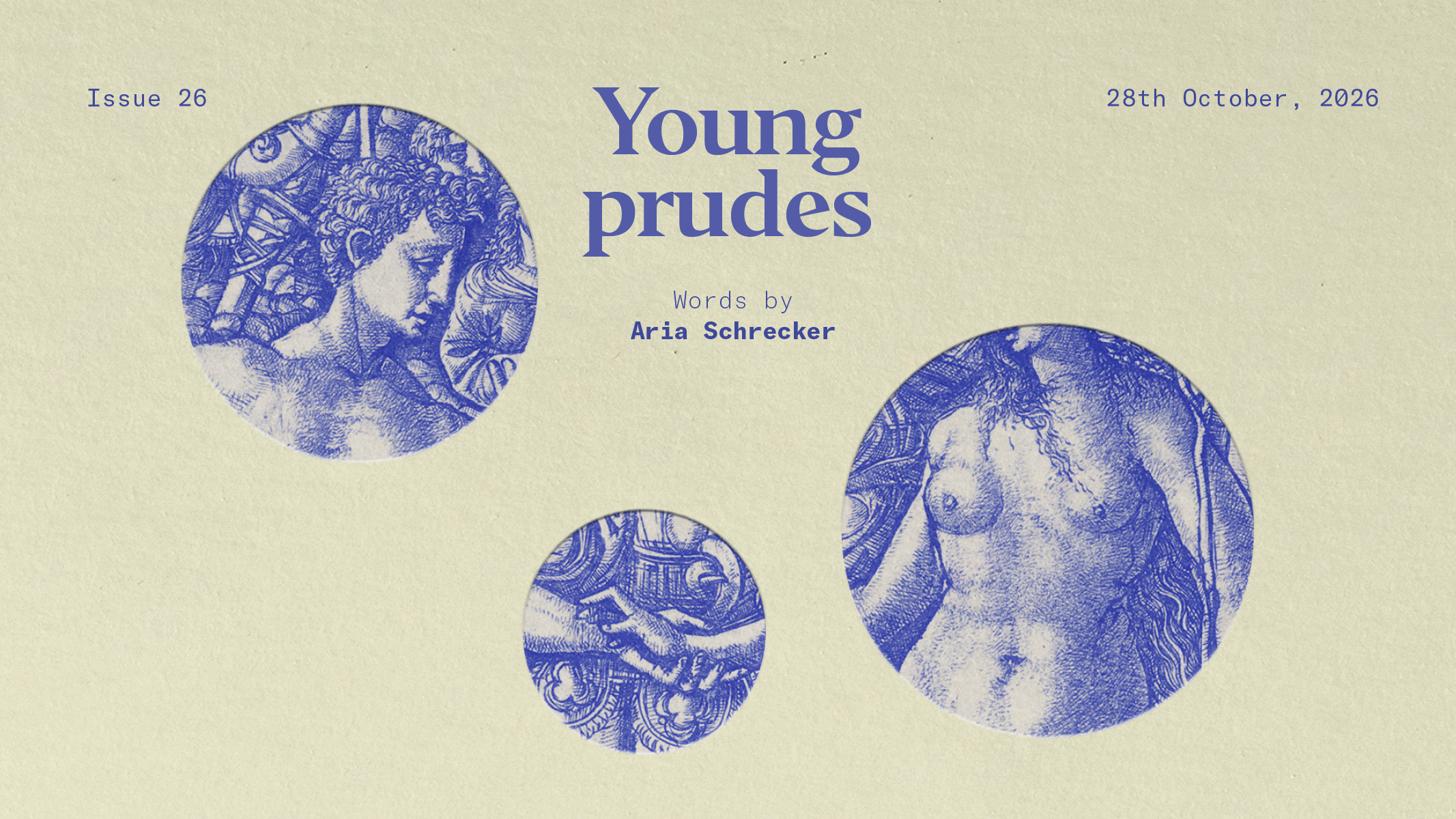
Where men outnumber women, the young turn prudishThe article argues that the post-war American baby boom left a surplus of marriageable women, which helped set off the sexual revolution; now falling birth rates have tilted the ratio back toward men, and young people's attitudes have tightened with it.
Works in Progress
Rome wasn't sexually tolerant, only toward slaves and prostitutesRoman sexual permissiveness belonged to free men alone: they could use male and female slaves and children at will, while being penetrated was a disgrace. Early Christians fused the Jewish ban on extramarital sex with Roman monogamy to invent male fidelity, and legislated for the first time to protect women forced into prostitution.
JSTOR Daily
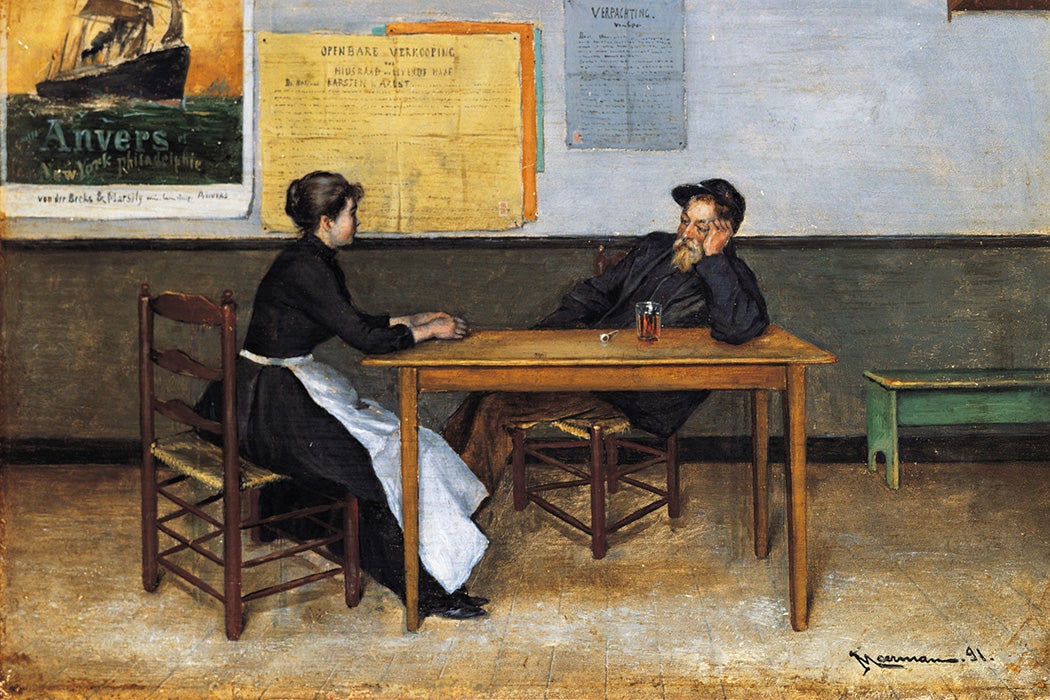
Washing machines took 40 years to win over AmericaElectric washing machines took four decades to catch on in America, held back less by technology than by class and racial ideas about whose work laundry was.
Noahpinion
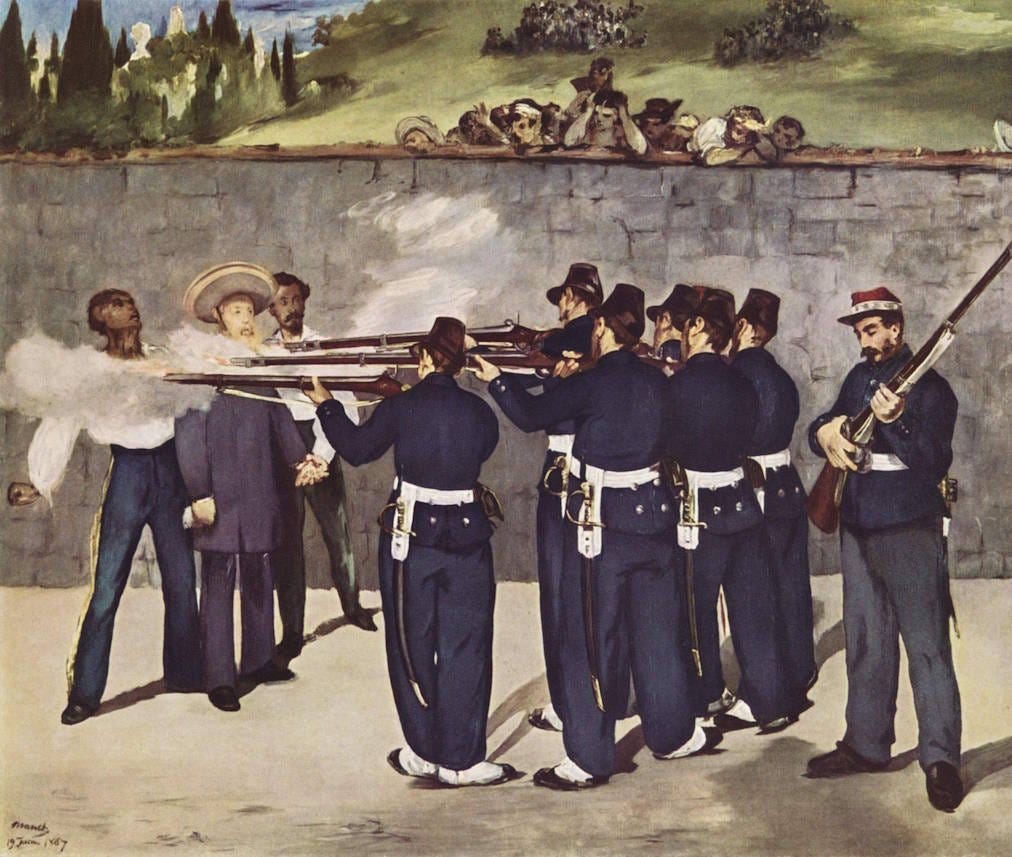
Why are we ruled by barbarians?The Trump administration planned a televised firing-squad execution of the Fort Hood shooter, but public opposition forced it to back down, revealing the chasm between the rulers and ordinary Americans.
The Honest Broker
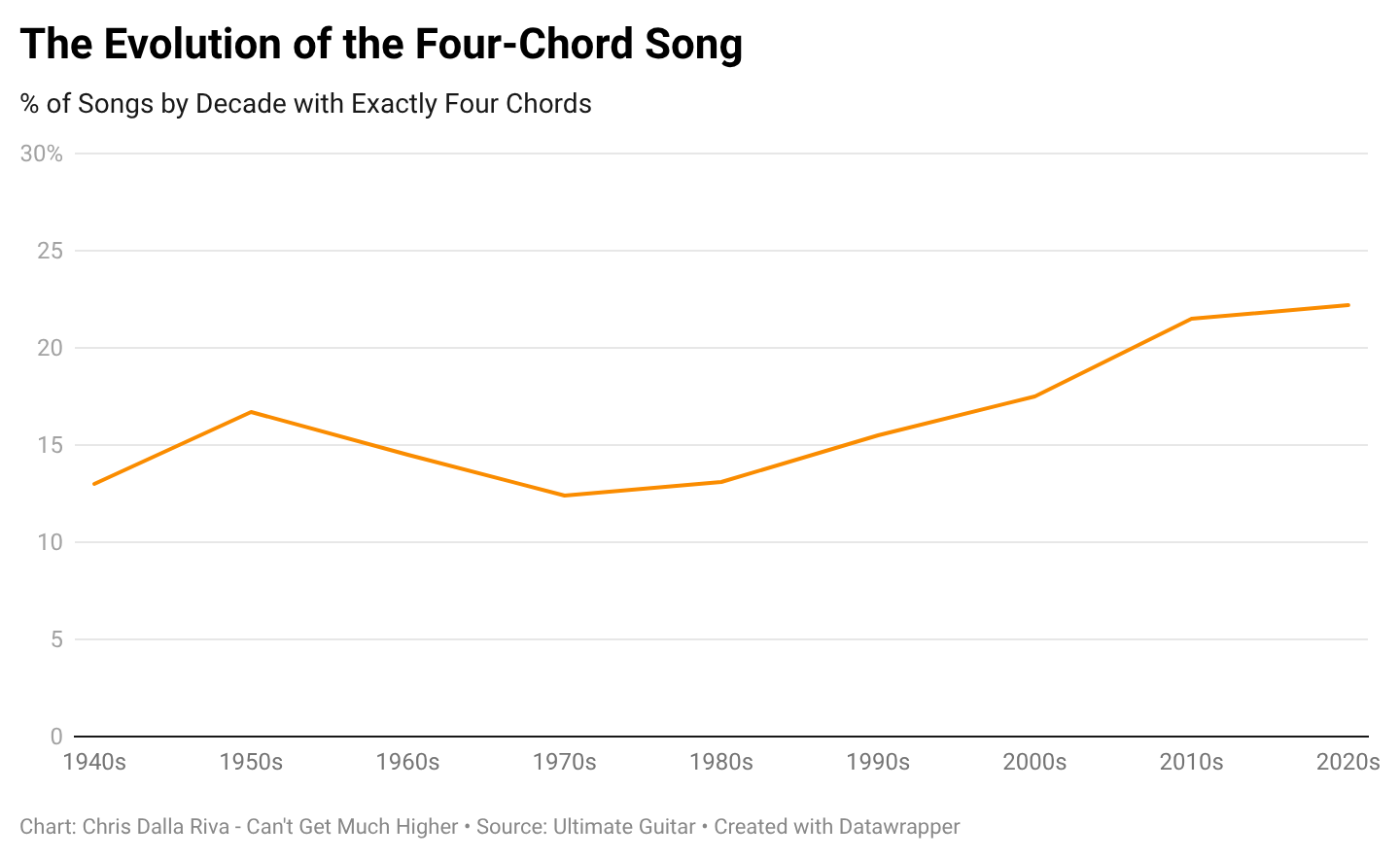
Kill the four-chord songThe music industry's addiction to the four-chord formula is driving listeners away from new music, pushing old hits to the top of the charts and even turning the youngest listeners toward their parents' favourites.
The Conversation
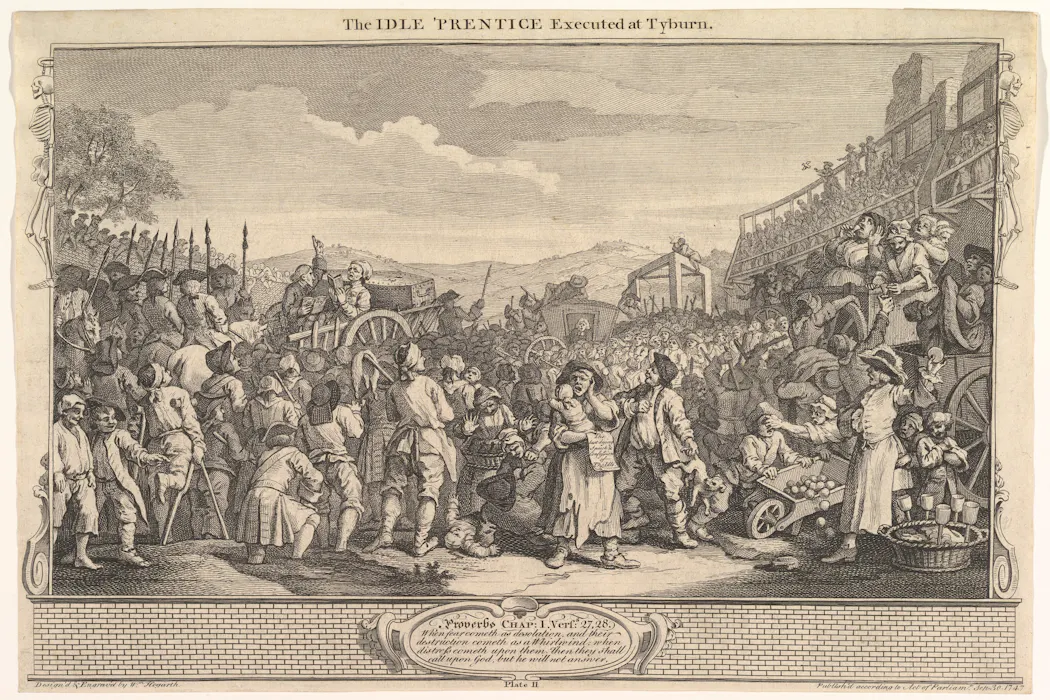
What Could a Public Execution Teach? Early Americans ArguedIn 1797 a New York governor used a public hanging to assert state power, while critics called it a display of excess. Historians ask whether watching such a death could ever deliver a real warning.

Other topics