TL;DR
Human leisure was once free and social, but tech companies have commercialized it, harming our well-being.
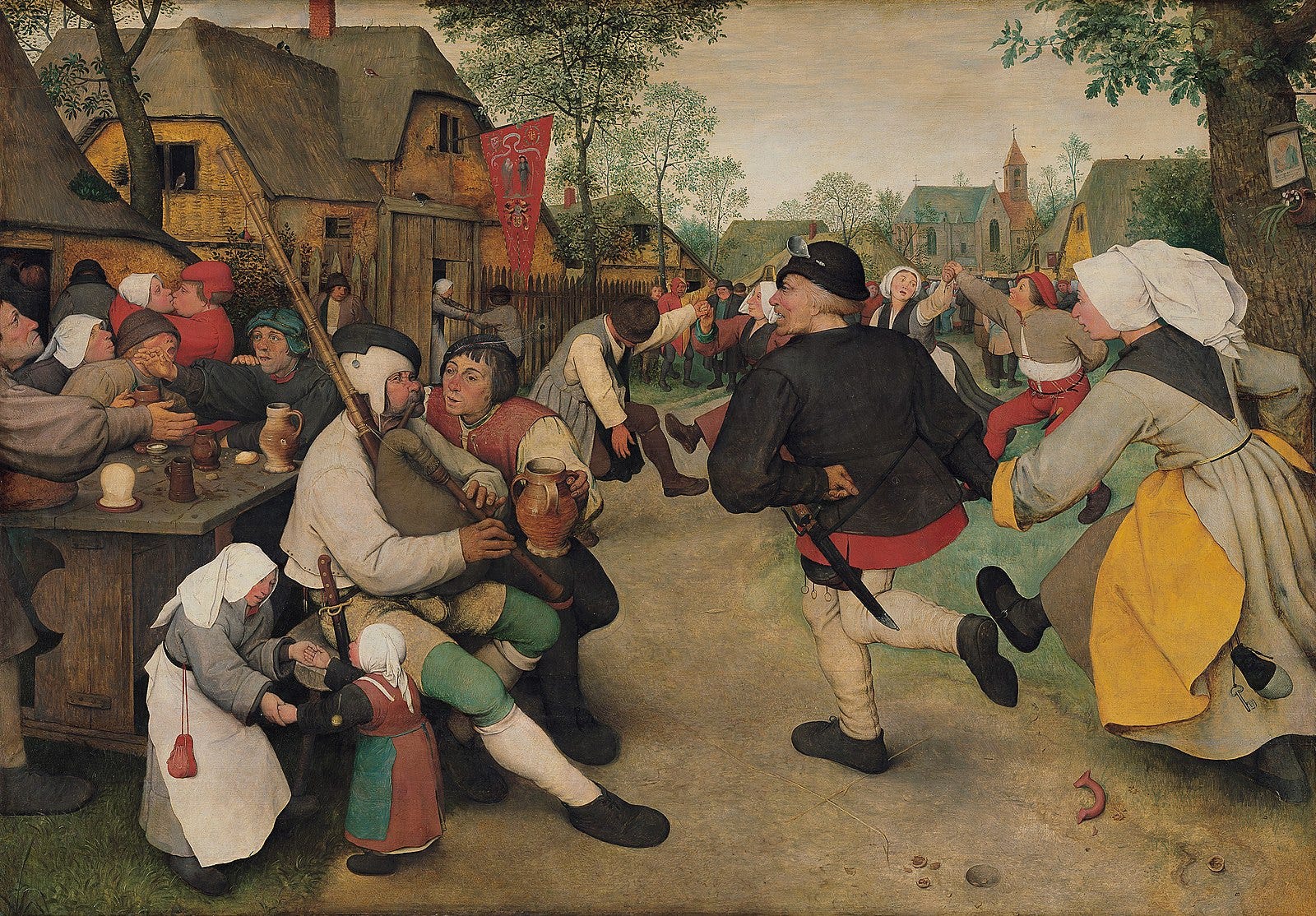
Believe it or not, medieval people had 141 official holidays a year—nearly 40 percent of the calendar. Prehistoric hunter-gatherers worked only 15 to 20 hours a week. Back then, leisure was real leisure.
Where the free time went
What did they do with it? You might be surprised: dancing, singing, storytelling—and dirty jokes. Church records are full of complaints about lewd songs and lascivious dancing, yet the clergy never managed to stop them.
Today, however, teenagers spend their free time swiping through short videos, binging shows, and playing games—all platforms saturated with ads and payments. Every bit of fun you have lines the pockets of tech companies.
The age of free fun
The author's father recalled that in a world without TV or radio, evenings were spent sitting on the porch talking with neighbors. The most sought-after people were the good storytellers—like a live, free Substack.
The author himself had childhood fun that cost nothing: the library, board games, ping pong. No subscriptions, no in-app purchases. These activities brought family and friends closer.
Don't make leisure a chore
Some object that there is no proof this shift is harmful. The author asks directly: which is healthier for kids—baseball and dancing, or endless scrolling?
One marketer counted 487 ads before finishing breakfast. Our heads are stuffed with ad garbage, almost as much as microplastics in our bodies. It's time to put the brakes on this commercialization.
Curated from high-quality sources, with concise summaries and key takeaways.

