TL;DR
Large language models keep inventing the same fake names, and these 'ghost authors' are contaminating academic databases and publications — but the names themselves may be the key to spotting AI-generated content.
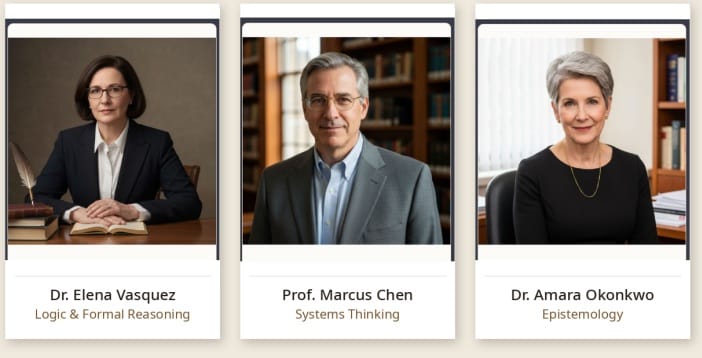
A new study has found a strange trend in academic publishing: some papers and books list authors named Elena Vasquez or Marcus Chen, but these people don't exist. They are fictional personas that AI models repeatedly produce when asked to invent experts — dubbed the 'ghost couple' by researchers.
Where ghost authors come from
LLMs have an odd habit: when inventing people, they reuse the same names. Ask ChatGPT for a software developer and you often get Marcus Chen; ask Claude for a novel and it might come up with Elena Vasquez. These names get treated as real experts and show up in academic papers, books, even corporate sites.
A company called Research Gold was previously exposed for claiming to offer human medical research that was actually AI-generated, and its 'lead methodologist' was none other than Elena Vasquez. After the story broke, the name quietly vanished from their site.
The academic record is quietly being haunted
Researchers found that on Zenodo, an academic repository, AI-generated papers easily obtain real DOIs—strings of characters used to identify papers. They identified 1,655 ghost-authored records with fake journals and dates, all indexed by Google Scholar and similar aggregators.
The silver lining: different models favor different names. Elena Vasquez appears often in content from Claude Sonnet 4, so she can serve as a fingerprint. But as AI slop floods the web and loops back into new models, that fingerprint may soon blur.
Curated from high-quality sources, with concise summaries and key takeaways.

