TL;DR
A Dutch study finds microplastics in every home sampled, mostly generated indoors, and vacuuming may actually increase levels of the harmful polycarbonate kind.
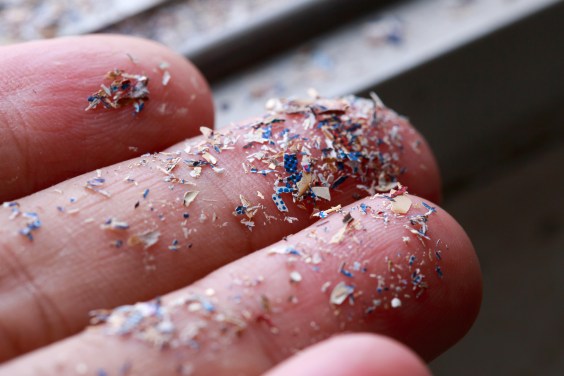
Microplastics aren't just drifting in the ocean — they're hiding on your living room floor. Researchers from Utrecht University in the Netherlands visited 105 households, collected dust, and found micro- and nanoplastics in every single one.
The particles were mostly PET plastic, the kind used in drink bottles. Homes with more people had more, and levels rose in autumn and winter when windows stayed shut and people spent more time indoors.
The source is inside
Window-opening habits and outdoor air pollution had no link to microplastic levels, suggesting the pollution was made indoors, not blown in from outside.
More surprising: vacuuming may backfire. The study found that the more often people vacuumed, the more polycarbonate microplastics they had. The likely reason is that the vacuum disturbs particles and sends them airborne to settle somewhere else.
What you can do
Your options are limited: use an air purifier with a HEPA filter, which traps particles larger than 0.3 microns, and consider a HEPA-equipped vacuum. Laundry machines, though not covered in this study, are also notorious sources.
The authors don't expect you to eliminate microplastics, just to reduce your risk. Health effects are still unclear, and the team has already collected blood and urine samples from the same households to study the body's burden.
In short: plastic is easy to spill and hard to mop up. However spotless your home, you can't escape the mess this era has made for itself.
Curated from high-quality sources, with concise summaries and key takeaways.

