TL;DR
Large language models are reshaping how culture is discovered, turning a 1985 Western novel, Lonesome Dove, into a collective reading phenomenon.
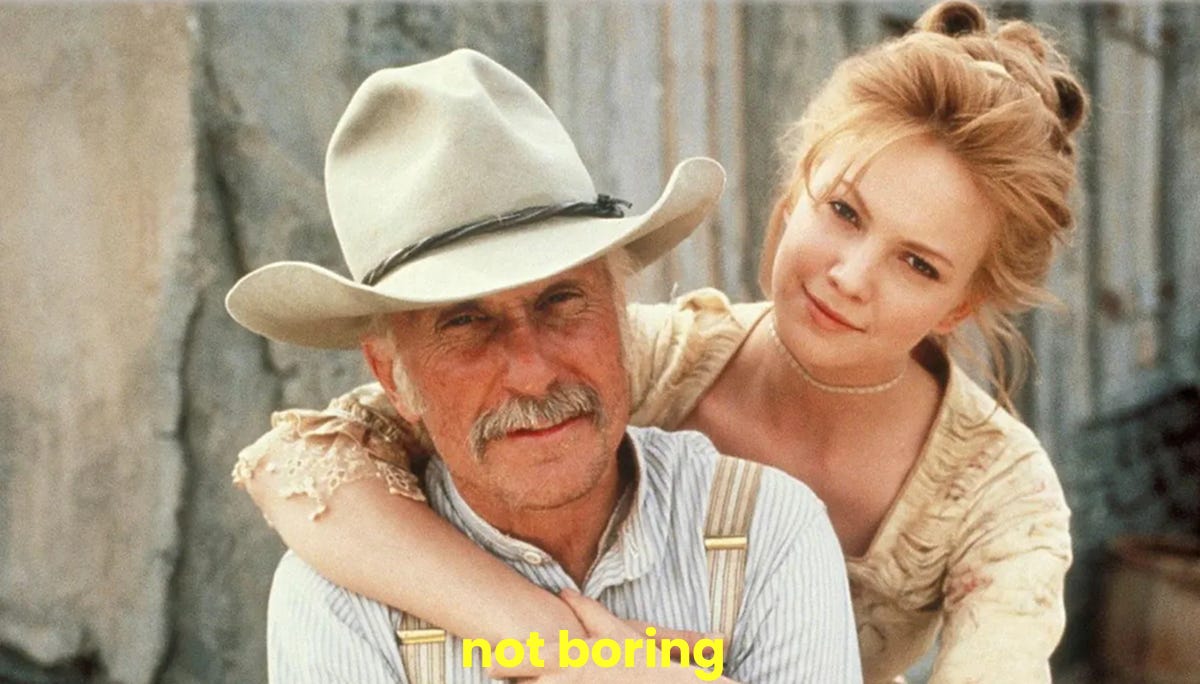
The author noticed that everyone around him suddenly seemed to be reading 'Lonesome Dove', an 858-page Western from 1985 that won a Pulitzer Prize.
At first, he chalked it up to the Baader-Meinhof phenomenon — once you notice something, you see it everywhere. But digging deeper, he realized something else was fueling this 'Doveaissance'.
A coincidence of triggers, and BookTok's boost
On the surface, the book's revival stems from a series of events: author Larry McMurtry's death in 2021, the Western boom sparked by shows like 'Yellowstone', Stephen King's recommendation on Colbert, and viral BookTok videos.
All of these contributed, yet none seems sufficient to explain its multi-year staying power.
AI as the ultimate promoter
When the author asked ChatGPT and Claude for an unputdownable book, both recommended 'Lonesome Dove'. When he asked friends, many had similarly discovered it through AI recommendations.
AI didn't just recommend it; some even recorded videos of Claude insisting they read it.
LLMs as a new distribution channel for culture
The author argues that LLMs are emerging as cultural 'recommendation engines'. Unlike search, which requires knowing what you're looking for, or social media, which surfaces only the now, they can unearth works that are both personally resonant and time-tested.
In an era of fragmentation, AI might reconnect people with shared cultural experiences.
The popularity of 'Lonesome Dove' may be just the beginning — as algorithms begin to favor 'classics' over 'novelty', the landscape of cultural consumption might be reshaped.
Curated from high-quality sources, with concise summaries and key takeaways.

