A study across the EU and UK finds artists earn less than peers of the same age, education and gender, mainly because they work on short-term contracts and lose income faster when the economy turns.
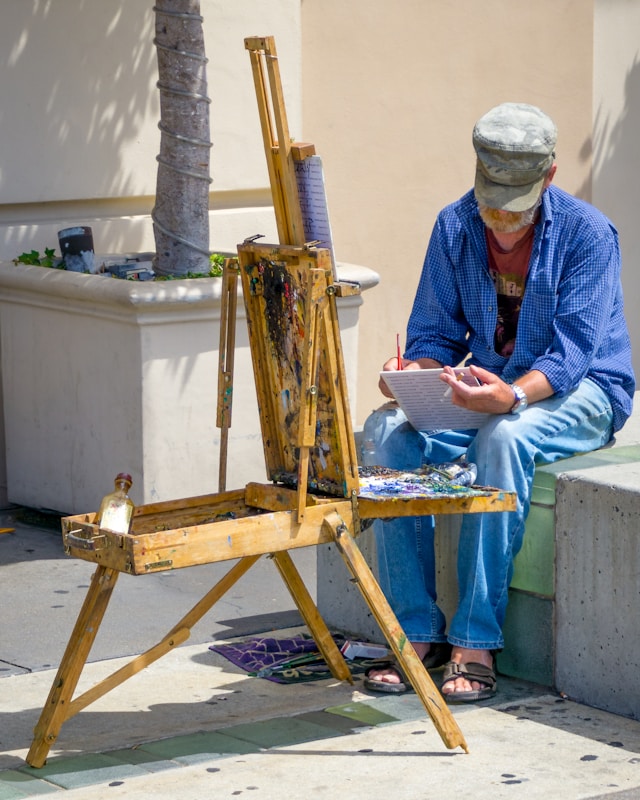
Artists come in two stereotypes: the ones whose work sells for millions, and the ones barely getting by. Most belong to the second group.
Paid less than their peers, even in the UK
Researchers compared the annual incomes of artists in the EU and UK with ordinary workers, matching for age, education and gender so the two groups were otherwise alike.
The result was consistent: artists generally earn less than similar workers. In the UK, about 5 percent less. That country is a rare exception in one respect — British artists earn slightly more than professionals of comparable age and qualifications.
The root cause is unstable work
The gap is not about talent or effort. It is about how the work is structured. Most artists are on temporary contracts, moving from gig to gig, and when the gigs stop, so does the money.
Even steady jobs in the field, such as teaching art, pay less, and switching to a better-paid job elsewhere is harder for artists than for other workers.
First to fall when the economy does
When the 2022 inflation spike pushed Europe into recession in 2023, many artists lost commissions or could not land new ones, and their incomes fell further than the average worker's.
The problem with art as a living is not a lack of passion. It is the absence of a contract that can survive a bad year.
Why it matters
The study pulls the question of why artists are poor out of the romantic story: the issue is not talent or taste but the structure of employment itself. When income is stitched together from one short commission to the next, any downturn gets magnified into going without. Anyone paid by the project faces the same arithmetic — the price of freelance freedom is that the risk lands entirely on the individual.


Curated from high-quality sources, with concise summaries and key takeaways.

