Flock promises never to add facial recognition to its license plate cameras, but a company called VIDIZMO is pitching police on piping Flock's data into its own system for face matching, behavior prediction and racial and gender sorting.
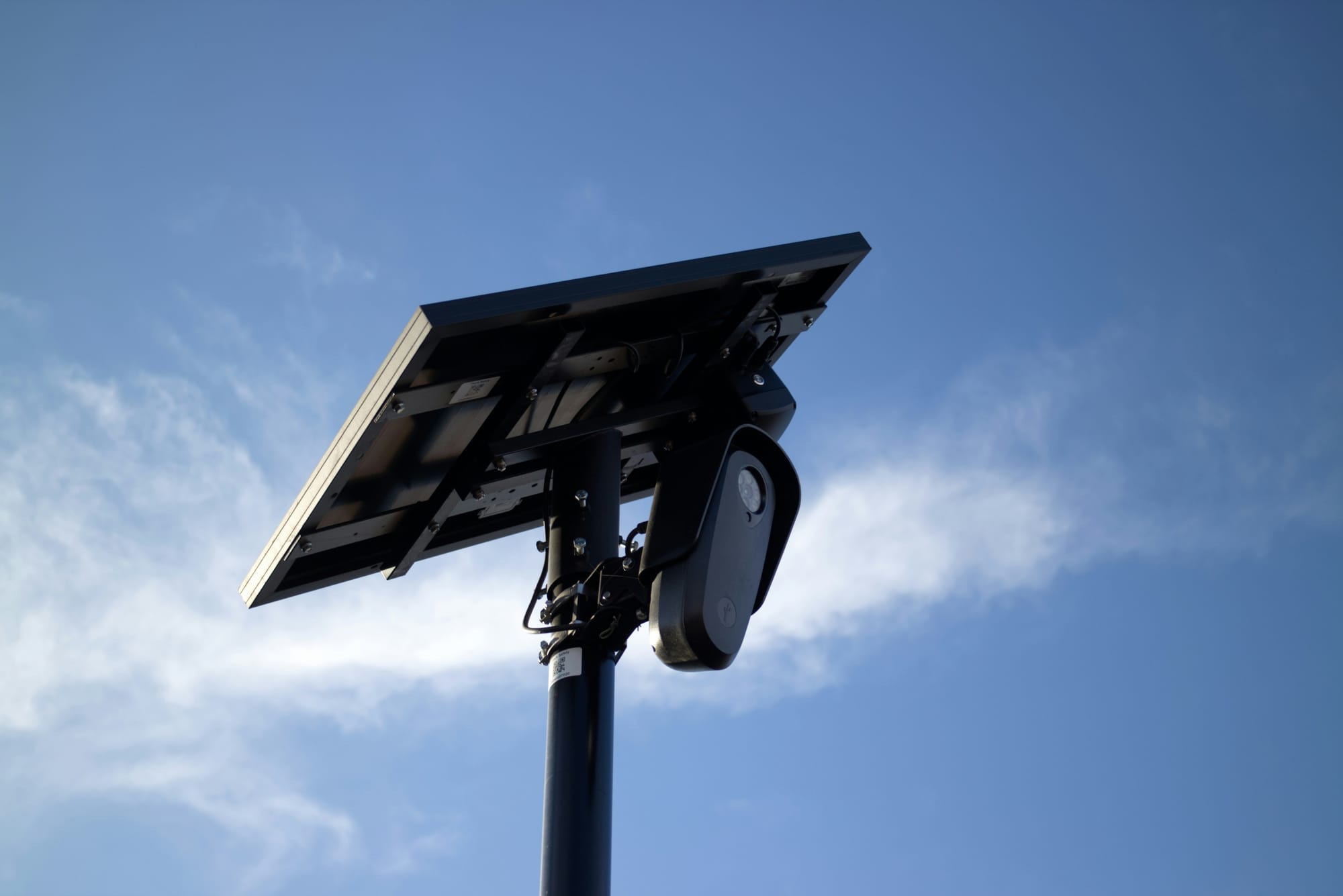
Flock is the company whose automatic license plate cameras now sit all over the country. It keeps making the same promise: no facial recognition, not on our devices, not ever.
Someone else finished the sentence
A company called VIDIZMO emailed police to say it can pull footage from Flock cameras into its own platform, searchable alongside Axon body camera video. Search for what? Faces, vehicles, objects, in seconds.
What it is actually selling
VIDIZMO's own website is blunter: load the faces you want to watch into an 'object library' and the camera starts naming people on sight, tagging them on the video and capturing a clip each time.
It also sorts faces by age, gender and race so police can filter on those categories, across 'seven races: White, Black, Indian, East Asian, Southeast Asian, Middle Eastern, and Latino Hispanic.'
Its founder admitted to a reporter that the specific tool to export Flock data has not been built yet. But he was candid about the intent: we would love to do that integration, and facial recognition is where the world is going.
How the line collapses
Privacy researcher Chris Gilliard says what Flock claims about itself barely matters, because it has already laid the foundation for mass surveillance. If one company won't build the next layer, another will, and another after that.
Flock sells cameras. VIDIZMO sells faces. Neither one broke a rule.
Why it matters
A promise that 'we won't do facial recognition' is not a safeguard: once the infrastructure exists, anyone can bolt that layer on top. Limiting a company's product decisions does nothing about the data pipes it leaves open.


Curated from high-quality sources, with concise summaries and key takeaways.

