The US has rewritten a fifty-year-old rule: destroying an endangered animal's home no longer counts as harm, as long as you were not aiming at the animal.
America's Endangered Species Act used to reach far. Wrecking a species' habitat counted as the same thing as killing the animal. That reading held for fifty years and was upheld by the Supreme Court.
On 14 September 2026, the rewrite took effect. Harm now means only direct injury or killing.
Hit a whale, as long as you meant nothing by it
A memo the same day went further: the law covers intent only. A ship striking a whale, or endangered animals crushed while a data centre goes up, is no longer a problem unless you wanted them dead.
The administration also scrapped the Blanket 4(d) Rule, which gave automatic protection to species listed as 'threatened'. Now each one needs its own rule drawn up from scratch, a process that runs for years.
On paper they are still endangered. In practice almost nothing guards them.
Three consequences, made concrete
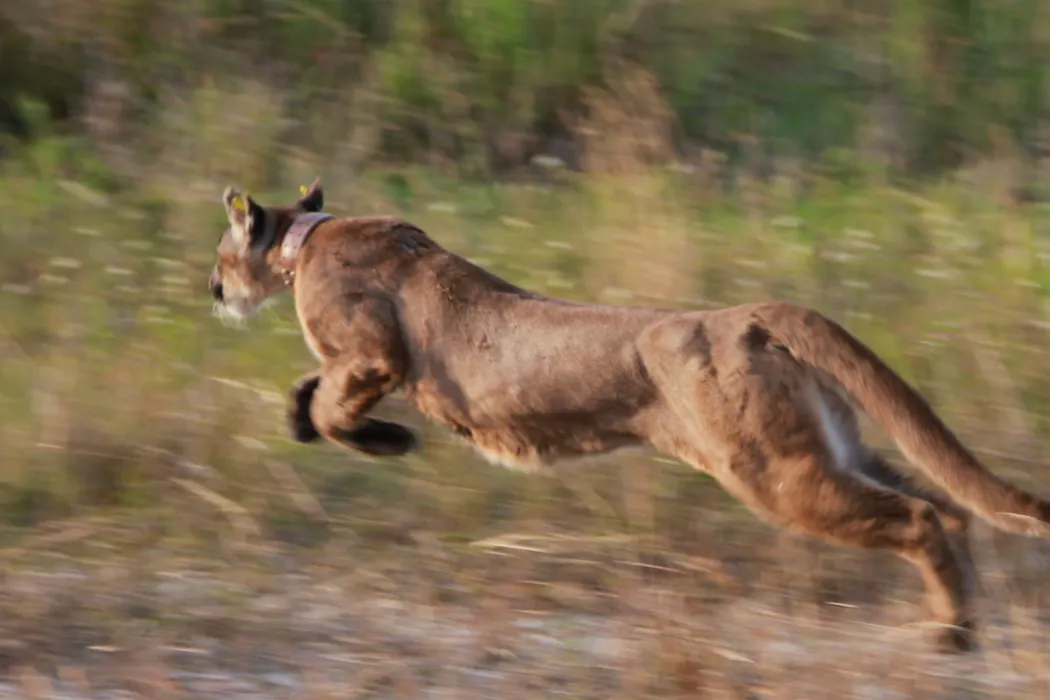
Florida panthers number 120 to 230. A male needs 200 square miles, public land cannot cover it, and a third of their range sits on private ranches and timberland — exactly where developers look. Clearing that land now carries no liability, and the leading non-natural cause of panther death is being hit by a car.
North Atlantic right whales are down to roughly 380, with only about 70 breeding females. They navigate, feed and find their calves by low-frequency sound, and ships, seismic surveys and offshore construction keep making the ocean louder. The legal footing for speed limits and rerouted shipping lanes has just been pulled away.
Monarch butterflies fell about 80% in a decade, mostly because milkweed vanished — the plant they eat and lay eggs on. The butterfly was heading for 'threatened' status, which used to mean automatic cover. Now it waits in line for its own rule.
From prevention to post-mortem
None of these three is mainly threatened by hunters. Their survival depends on healthy pine woods, a quiet ocean, and a strip of weed along the roadside.
Nature does not observe the legal line between a species and its habitat. Level the habitat and the species goes with it.
Why it matters
Shrinking harm to intentional harm turns protection from prevention into a post-mortem: you only act once animals are dead, and a flattened habitat never comes back. What changed is not a fine, but whether the government still owes anything to what has not happened yet.

Curated from high-quality sources, with concise summaries and key takeaways.

