After the Supreme Court let third-country deportations proceed, at least 20 people have been flown to Liberia — a country whose very existence began as an American scheme to send Black people away.
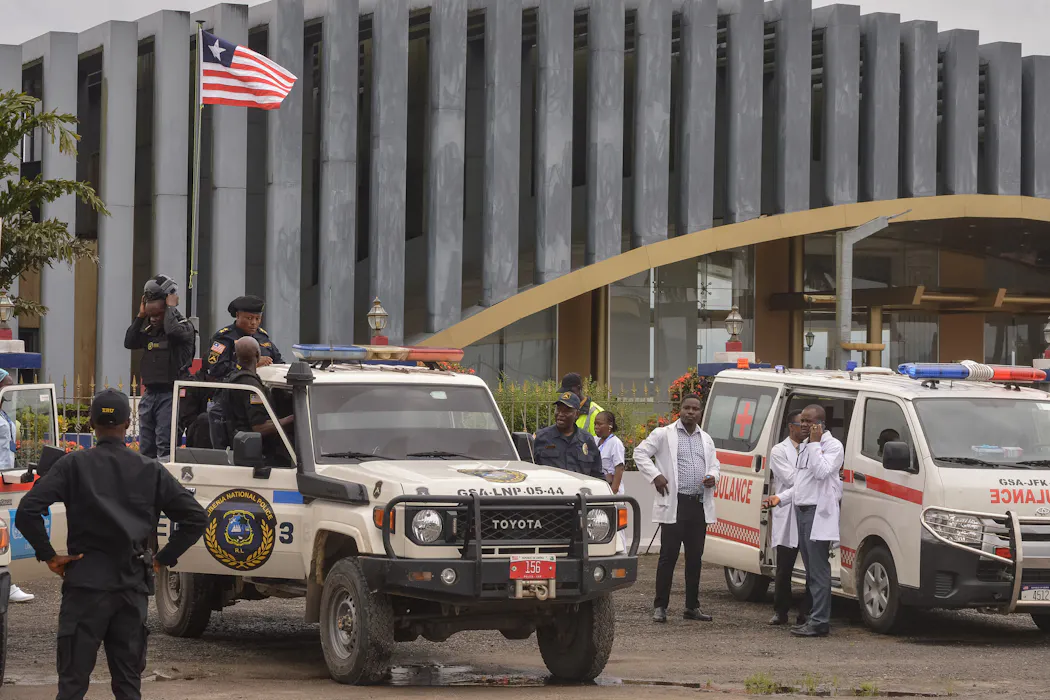
A Colombian man put on a plane to Liberia told PBS after landing: honestly, I had never heard of Liberia.
The country, roughly the size of Ohio, is one of 35 that the Trump administration pays to shelter and feed deported migrants. On September 29, the Supreme Court let the flights keep going while it weighs whether the policy is constitutional.
The name itself was American
In 1816 the American Colonization Society was founded, and its business was shipping free Black Americans 'back to Africa.' Its backers included Senator Henry Clay, Francis Scott Key, who wrote 'The Star-Spangled Banner,' and Supreme Court Justice Bushrod Washington.
The real force behind it was the slaveholding class. Free Black people gave millions in bondage a visible alternative. Ten Southern legislatures passed laws allowing an enslaved person to be freed only if they were first removed from the state, with the fare paid.
The promised land, killed off by malaria
From 1820, ships carried people to the West African coast. About 16,000 made the journey by the turn of the century, many not by choice. They named their new home Liberia, for liberty, and in 1847 founded Africa's first independent republic.
At least a fifth of the arrivals died of malaria. Survivors faced shortages, brutal weather, failed crops and hostility from indigenous communities. What white Americans heard instead was fertile soil and a healthy climate. Harriet Beecher Stowe ended 'Uncle Tom's Cabin' with her characters finding freedom on a boat to Liberia; Frederick Douglass publicly objected.
New passengers, same logic
In the 20th century Liberia became an American backyard. Rubber and steel firms built a plantation economy rooted in extraction, and the corruption it bred helped drive decades of instability and poverty.
Today's roughly 1,200 people earmarked for Liberia are nothing like those earlier passengers — many fled civil war, gangs or hunger. But the people writing the policy want the same thing as their predecessors: to clear out those deemed a problem at home. In December the Supreme Court hears arguments on whether that impulse is constitutional.
Why it matters
Liberia is not a random square on a map. Its name, its borders and its political instability all carry the fingerprints of American deportation policy. Placing today's flights inside that 200-year arc shows the actual criteria for picking a receiving country: who will take the money, who is cheapest, and who cannot say no.


Curated from high-quality sources, with concise summaries and key takeaways.

