The US Clarity Act died in a procedural vote short of the 60-vote threshold, leaving the crypto industry's years of lobbying and political donations without the legislative shield it paid for.
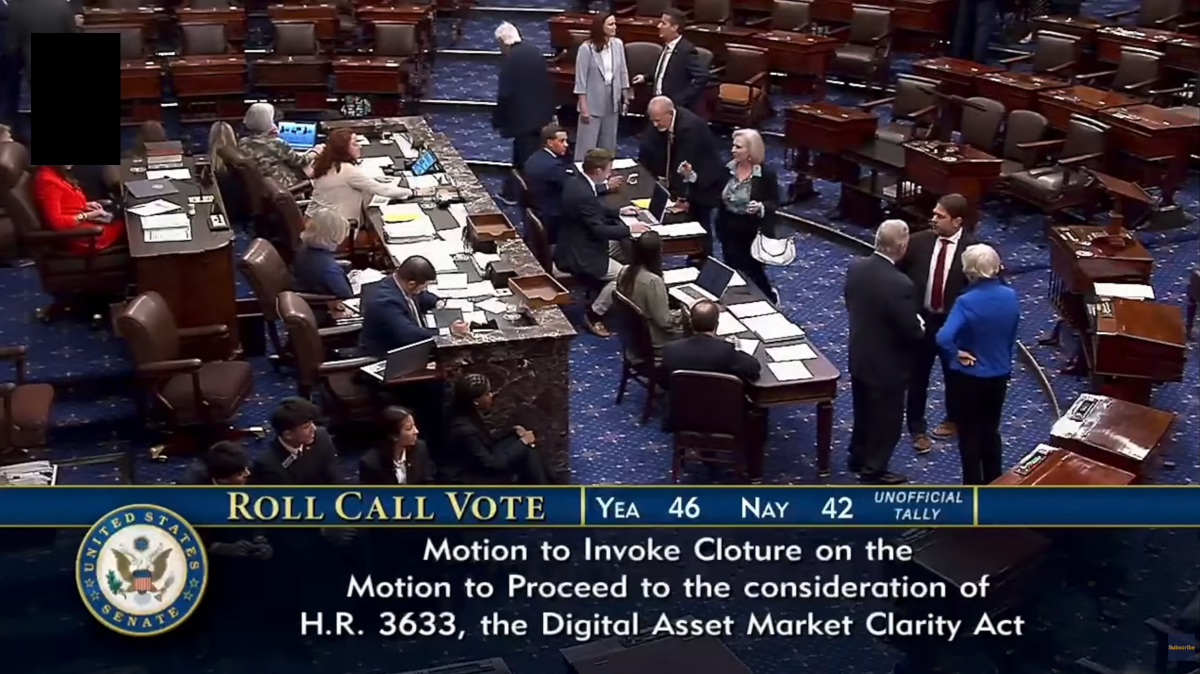
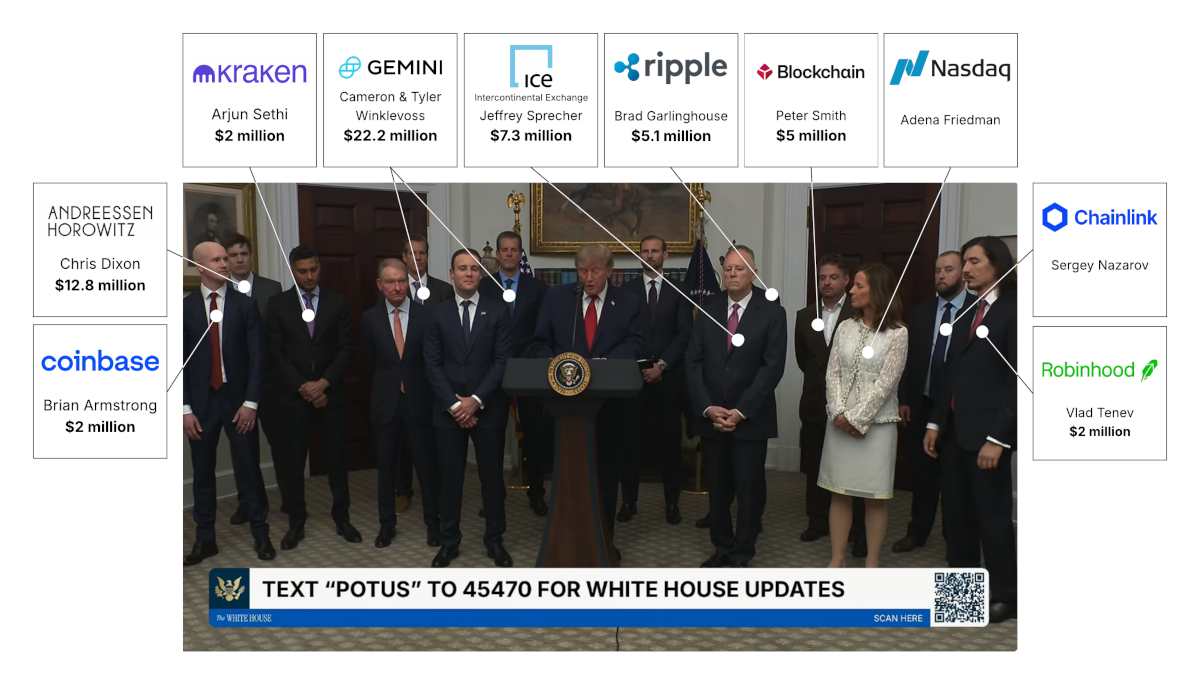
The crypto industry poured hundreds of millions of dollars into US politics and hired lobbyists at a cost of more than $8 million, all to pass a law called the Clarity Act. The Senate's procedural vote fell short of the 60 it needed, and the bill died on the spot.
'Clarity' means as much as 'patriotism' in the PATRIOT Act
The bill was named for clarity and offered none. It promised a regulatory framework but in practice carved crypto out of the scrutiny that applies to similar financial products.
Why did the industry want it so badly? Because Trump's term had already gutted the agencies and swapped commissioners, and those changes can be reversed by the next administration. Legislation cannot. What crypto wanted was a lock.
Who killed it
Republicans pushed ahead without securing bipartisan agreement. Democrats made a last-minute counteroffer adding restrictions on officials' crypto holdings and paid promotions; Republicans shot it down. In the end not a single Democrat voted for cloture, not even Kirsten Gillibrand, a longtime crypto advocate.
Republicans lost votes too. Hawley and Moran worried that stablecoin reward language would drain deposits from community banks and dry up farm loans. Collins faced a tough re-election and saw no reason to defend one more difficult vote.
The back door stays open
With the bill dead, regulators rushed to reassure the industry. The SEC issued an 'innovation exemption' so that venues trading tokenised stocks are not considered exchanges — meaning no registration and no securities-law oversight.
A tokenised stock is a crypto token representing one share. Buy it on one platform and you can essentially only sell it there, locking you in. If the venue hits its volume cap, trading in that stock pauses for three months.
So the big exchanges will probably not bother suing. There may be little demand for this product, and fighting your regulator over a niche offering is rarely worth it.
In one line: money buys lobbyists and votes, but not a law that actually lands.
Why it matters
Crypto likes to treat political donations as an investment with a return. This vote turned the return negative. It shows that regulatory durability is set by procedure, district-level interests and the election calendar, not by a lobbying budget — an industry can buy a hearing but not a floor vote.

Curated from high-quality sources, with concise summaries and key takeaways.

