Alzheimer's drugs that look promising in animals fail in human trials almost every time, so researchers are turning to old dogs that develop dementia naturally, comparing their brain tissue and blood to human samples.
Most people know someone with Alzheimer's. The author watched her grandmother disappear into dementia as a child, and later became a neurotoxicologist studying the misshapen proteins and inflammation that build up in the brain.
The trouble with this disease is how quiet it is. By the time you think to see a doctor, the brain changes have often been underway for two decades.
The stand-in isn't holding up
Studying that early stage means using animals. But the standard lab mouse does not naturally grow the tangled protein deposits found in dementia patients.
Researchers can engineer mice to imitate it, but no single mouse can reproduce every part of the disease.
The price is blunt: 99% of Alzheimer's drugs that looked promising in the lab failed in human trials.
Old dogs are a natural sample
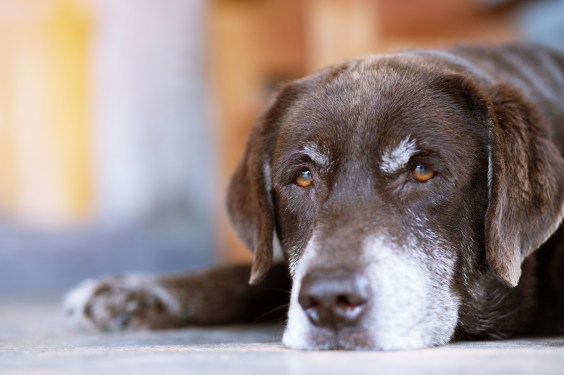
So some researchers went looking for animals that get this disease on their own. The aging dog is one of them.
More than a quarter of dogs over 12 develop canine cognitive dysfunction, which looks much like human dementia: getting lost, day-night reversal, failing to recognise their owners.
The team worked with a veterinary neurologist and a neuropathologist, asking owners to donate brain tissue from dogs that had died, and analysing it with the same methods used on human samples.
The protein deposits showed up in the same brain regions as in people with early dementia.
There was a blood clue too: dogs with heavy protein buildup also had unusually high levels of a protein called GFAP, which normally only enters the blood after brain injury or disease. That makes it a promising early screen.
Dogs are running the route for us
In the US, the Dog Aging Project is following more than 50,000 companion dogs to understand how genes and environment shape aging across the whole body. It has also built a battery of canine cognitive tests that can catch changes before symptoms appear.
Figuring out how a dog's brain ages may answer the most basic question of all: why some dogs, and some people, get dementia and others do not.
Why it matters
A 99% failure rate between mice and humans suggests the problem may not be the drugs but the stand-in. If dogs can fill that early gap, the beneficiaries are not only people waiting for a treatment but every aging pet, whose brain is finally being studied as a subject in its own right.
Curated from high-quality sources, with concise summaries and key takeaways.

