A study in mice found that fat cells retain molecular traces of obesity after weight loss, and that an inflammation signal can jam the appetite hormone asprosin into the on position.
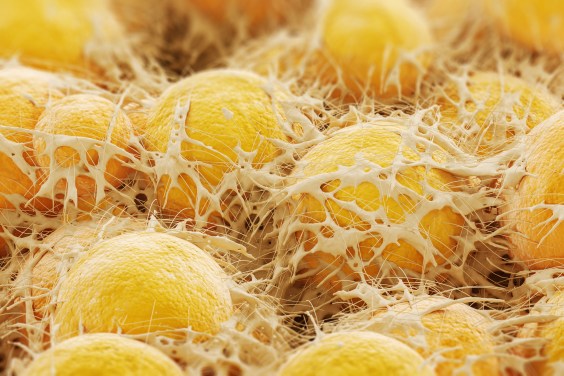
The most infuriating part of dieting is not failing to lose weight. It is losing it and then putting it back on. A mouse study published in Cell Reports offers a molecular explanation: fat cells may remember being obese.
One signal, one switch left on
When the researchers applied TGF-beta-1, a signalling molecule tied to inflammation, to mouse fat cells, the cells ramped up production of asprosin, a hormone normally released during fasting that drives appetite.
In living mice, a single brief exposure to TGF-beta-1 was enough to make them eat more and gain weight for weeks. Remove asprosin or its receptor genetically, and the effect vanished entirely.
The memory is written on the packaging
At the genetic level, TGF-beta-1 remodelled the chromatin in fat tissue, prising open the gene that makes the precursor to asprosin, effectively wedging the switch on. The authors put it this way: it is as if an appetite-stimulating signal stayed stuck on, day after day, even after the weight came off.
It may also explain something odd: why obesity passes from mother to child at rates diet and environment cannot account for. TGF-beta-1 crosses the placenta, and in the experiment, pups born to obese mothers and normal-weight fathers had normal TGF-beta-1 levels but elevated asprosin.
Whether this helps or hurts people is still open, but it points at a target: drugs that block asprosin, given alongside or after GLP-1 treatment, to stop the rebound. First, though, it has to be reproduced in humans.
Why it matters
If the mechanism holds in people, losing weight stops being a one-off project and becomes a state you maintain — the body after you stop the drug or the diet does not return to where it started, it returns to a version that gains more easily. It also suggests part of obesity's inheritance may happen in the womb rather than in the genes alone.



Curated from high-quality sources, with concise summaries and key takeaways.

