Black men bear the psychological scars of racial trauma, yet society treats them as the danger rather than as people who have been hurt.
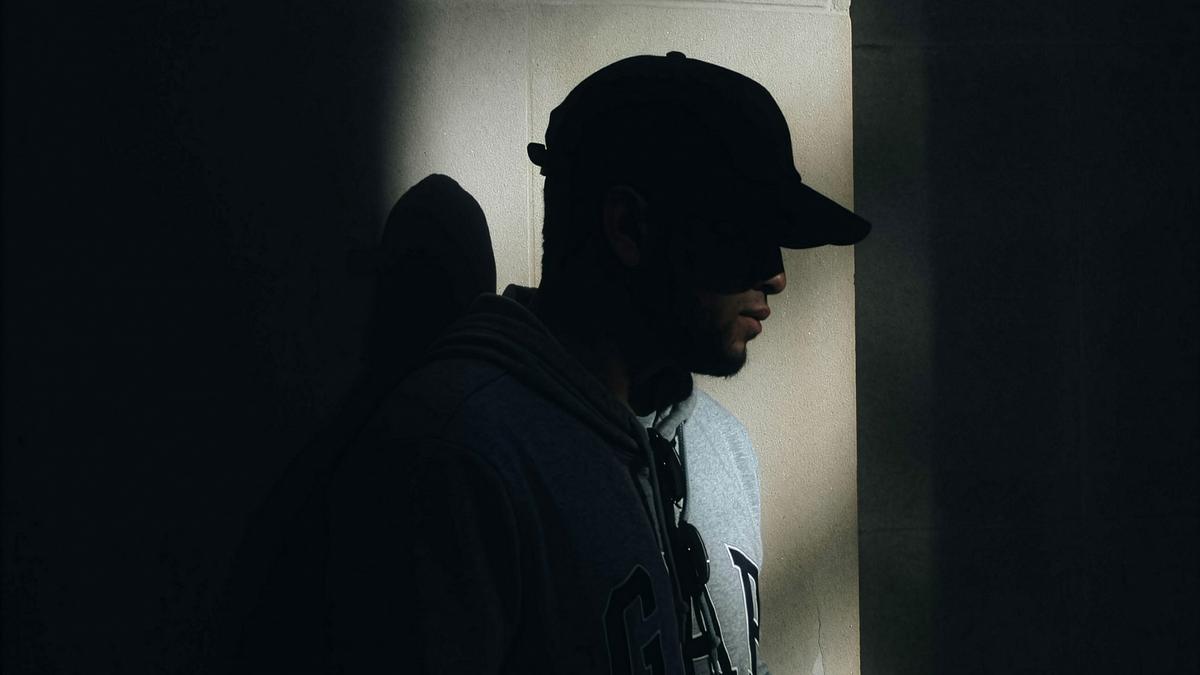
Being watched, stopped and treated as a threat over and over leaves a psychological wound. That is racial trauma.
But as the author argues, society rarely treats it as a wound. When a Black man shows wariness, exhaustion or anger, those trauma responses get read as proof that he really is dangerous — and as a reason to keep watching him.
The injury gets mistaken for the weapon
That closes a loop: prejudice causes the trauma, and the symptoms of the trauma are then used to justify the prejudice. The victim isn't even allowed to say it hurts, because saying so confirms the charge.
The result is that the people who most need care get punished instead.
Seeing it differently
Taking racial trauma seriously means asking why someone is so tightly wound as a medical and psychological question, not a moral verdict.
Why it matters
Trauma here is not a personal weakness but evidence left behind by prejudice: when a society reads someone's stress response as a danger signal, it never has to admit it struck first.



Curated from high-quality sources, with concise summaries and key takeaways.

