Looking through her family's albums, the author found her parents almost never pictured together and no photo of all four of them. The gaps trace back to what her parents lived through after the war.
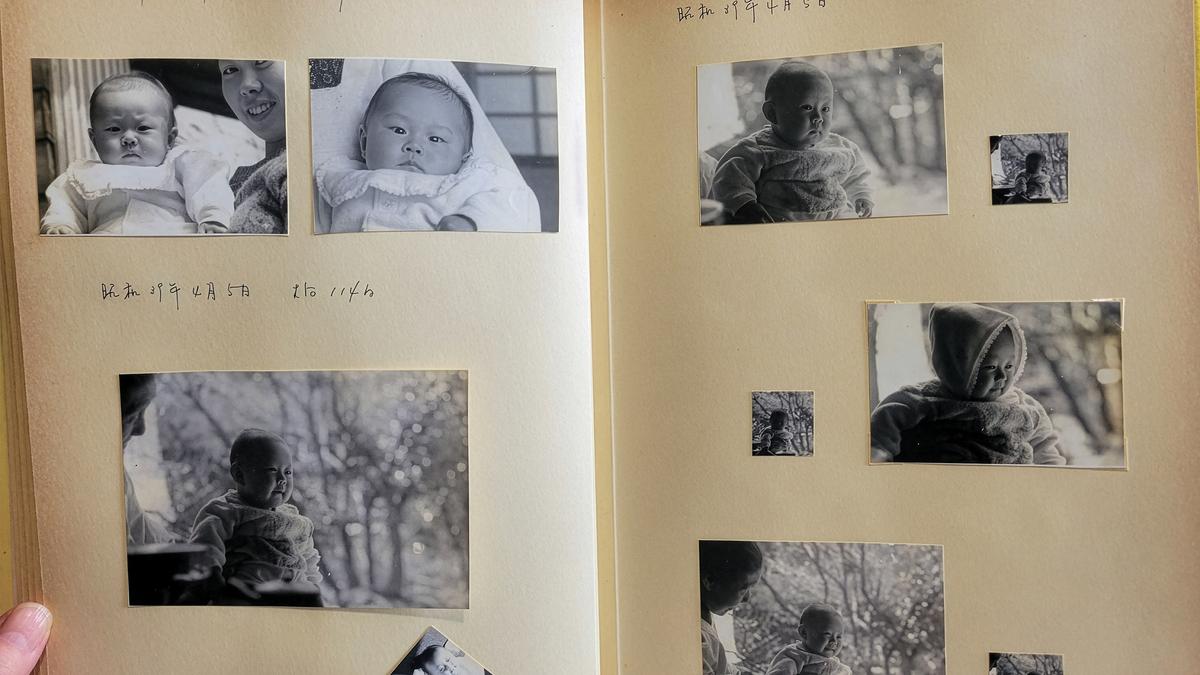
The author returned to her mother's apartment in Japan and found, in a box marked 'Sawa's Albums', the fourteen albums her parents had put together. As she turned the pages, she felt an unease she could not name.
She first noticed who appeared and who did not. Her mother appeared mostly at the edge of frames, a half-seen figure. Her father was almost always behind the camera. There was not one photo of all four of them, and very few of her parents together.
Each child had an album of her own. There was no shared 'family album'. The author calls the practice of looking back at photos to see what they lack 'memory work'.
The silences of history
Her parents grew up through the Second World War and the firebombings of Tokyo and Yokohama in 1945, which destroyed their homes and most of their belongings. That generation left almost no childhood photographs. After the war, rapid economic growth made the nuclear family the new middle-class ideal.
Her father worked long hours to earn a living, and her mother became a full-time homemaker. The photos recorded the daughters' growth and the family's achievements, but seldom the intimacy and emotional reassurance between them.
What photos record, and what they leave out
The author draws on Marianne Hirsch's idea of 'postmemory' to explain this. The trauma of one generation echoes in the lives of the next, even when they never witnessed it. The childhood her parents never spoke of shaped how they raised their children and the emotional climate of the home.
The author also reads the photos through the older Japanese household model, the ie, in which the family functioned as a unit organised around roles. Her father's absence reflected his sense of responsibility. Her mother's peripheral place reflected her role of service. This care was real, but it did not always reach the children as feeling.
When you look at family photos, ask first: who is never photographed together? Those gaps can say more about what a family was than the pictures themselves.
Why it matters
An album holds what a family chose to show, so its gaps reveal what it lacked. When you look at family pictures, start with the person photographed least, not with the best shot.

Curated from high-quality sources, with concise summaries and key takeaways.

