A study tracking workers through 2024 found that working from home made colleagues more willing to share their personal lives and increased psychological safety.
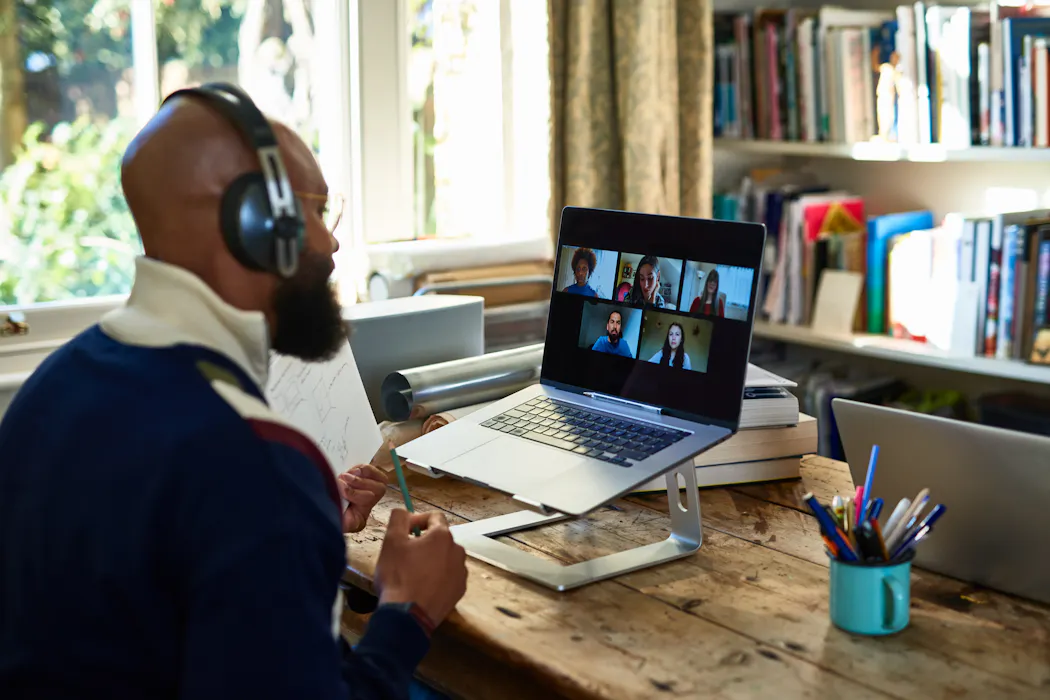
The messy intrusions of video meetings used to be seen as disruptions to office life. But Vanessa Conzon, a management scholar who followed a professional services firm from before the pandemic, found after 275 interviews and about 330 hours of observation that these disruptions became icebreakers instead.
The office was the real mask
In cubicles, people saw each other only as colleagues and hid anything that might affect work. Patrick was afraid to say he could not work late because he was helping his mother; Tamara pretended everything was fine every day, exhausted as she was.
The camera became a back door
Once remote, children wandered into frames, pets strolled past, spouses stopped by to say hello, and team chats filled with photos of kids, animals and home-cooked dinners. Tamara said getting to know someone this way was faster and deeper than in person.
Once the sharing started, it kept going. Leah said people were no longer afraid to bring their personal lives into work, even admitting a breakup meant they needed a day off. When one colleague's father fell ill, Brooke took over his tasks and told him to go care for his family.
This kind of mutual backup did more than lift spirits. Work no longer stalled the moment one person had to step away, and Charles felt the team worked more effectively as a result.
Why it matters
Many companies treat the office as the only place where trust can grow, but this study suggests the closeness that develops on camera and in chat threads may be more dependable than the nodding acquaintance of the next desk over.



Curated from high-quality sources, with concise summaries and key takeaways.

