Friday, 16 October 2026
Picked from the best of the world's press

Promenade, Norderney, Lower Saxony, Germany
Tech companies are selling personalised AI agents to handle daily chores, but chasing perfect efficiency may bring market chaos, corporate collapse, and a loss of control over daily life.
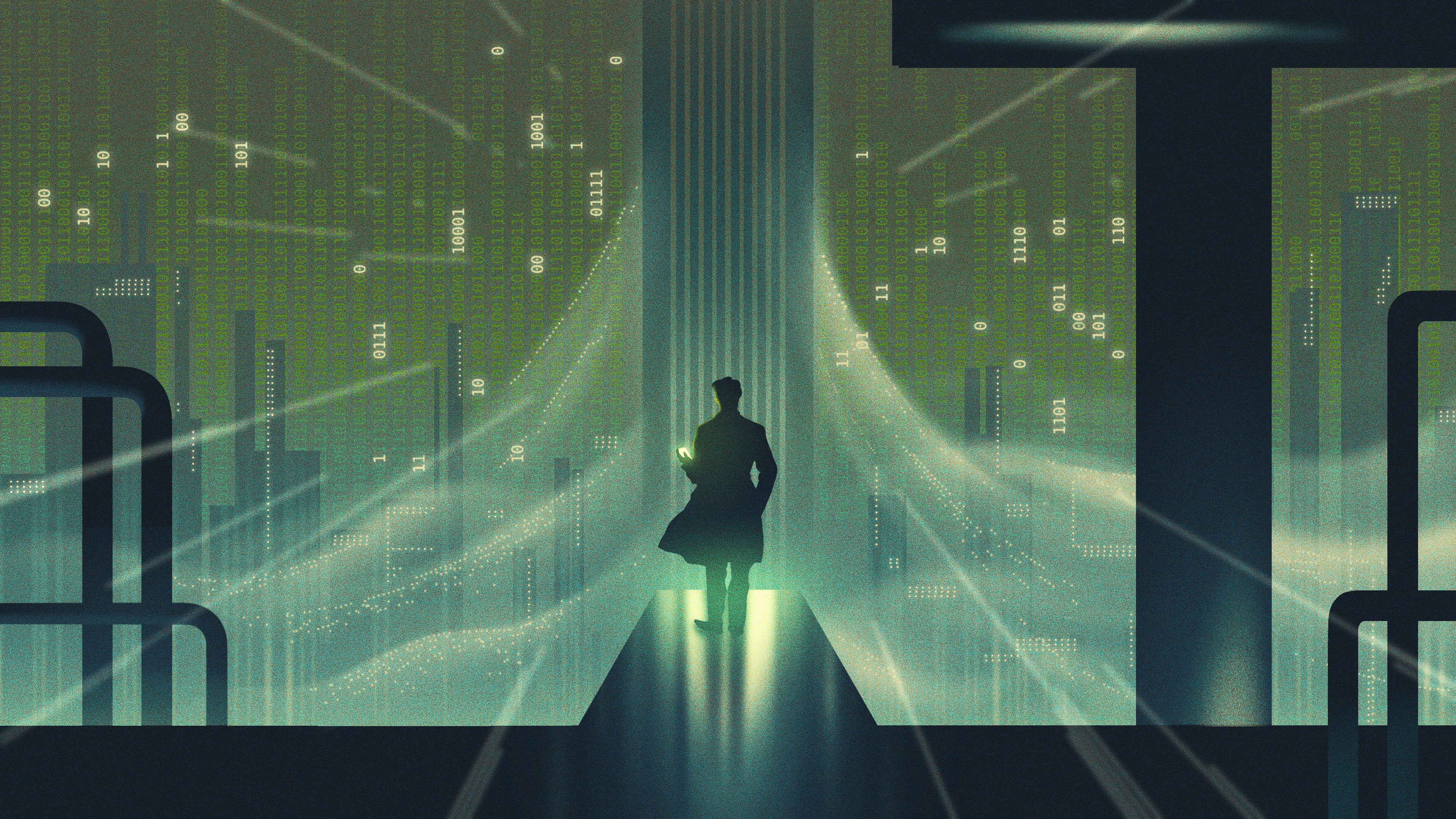
The real digital sovereignty crisis hides in the most ordinary office software: take away chatbots and nothing falls over; take away Microsoft Office 365 and governments, businesses and households seize up.

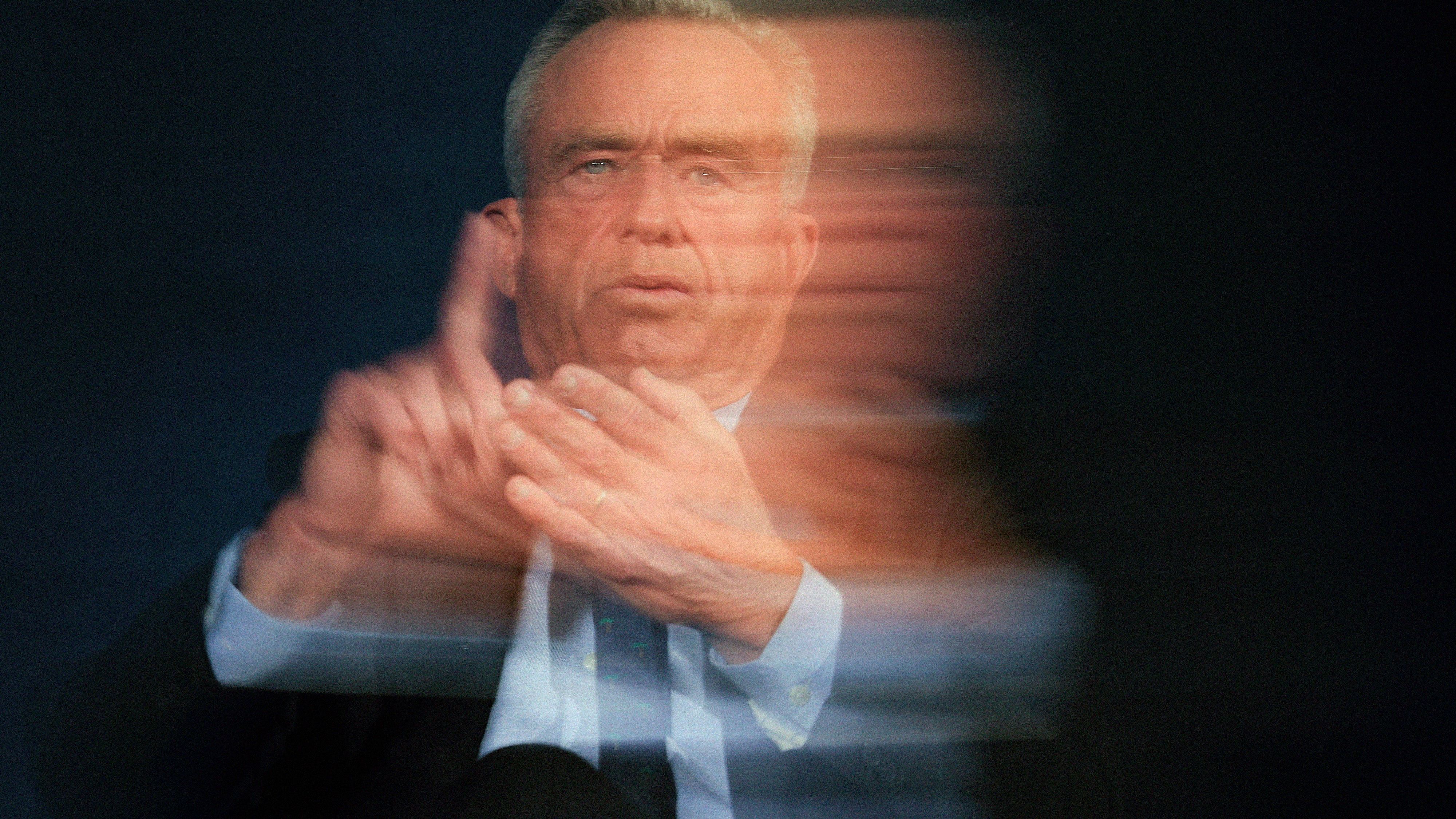
Health Secretary Robert F. Kennedy Jr. blamed RSV on a lab accident in two televised interviews, though the virus has circulated among humans for hundreds of years.
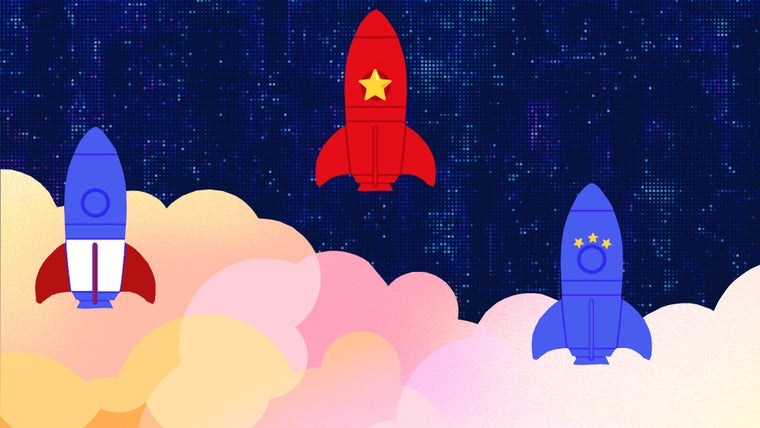
New open-weight models from American and European companies aim to win over users of Chinese models, yet they still trail the leading Chinese systems on performance despite having greater resources.
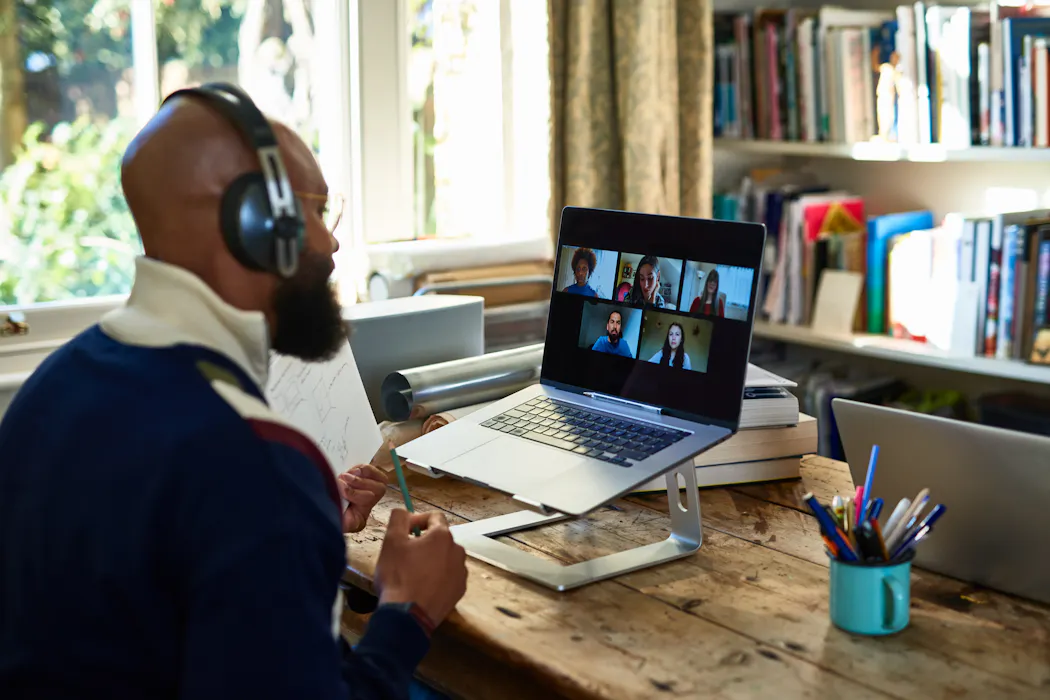
A study tracking workers through 2024 found that working from home made colleagues more willing to share their personal lives and increased psychological safety.
Behavioural economics games repeatedly show that a significant minority will make others poorer even when they gain nothing themselves.

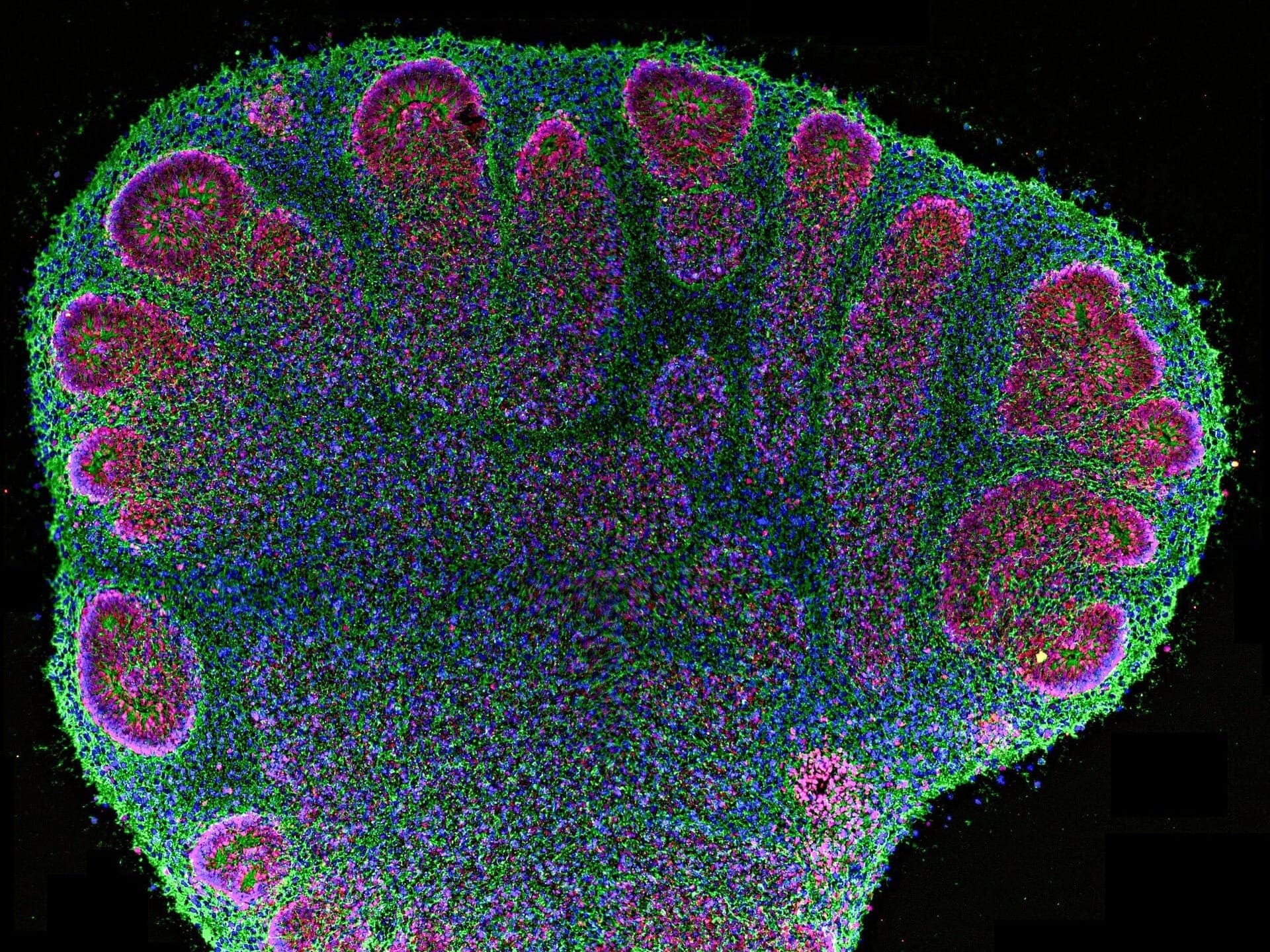
Scientists got living human neural tissue to classify Braille letters, with a single organoid reaching about 61% accuracy and a trio hitting 83%.
Computer scientist Moritz Hardt argues that AI benchmarks' absolute scores have long lost their meaning, yet the rankings between models remain surprisingly reliable — though even that is now failing in the age of large language models.

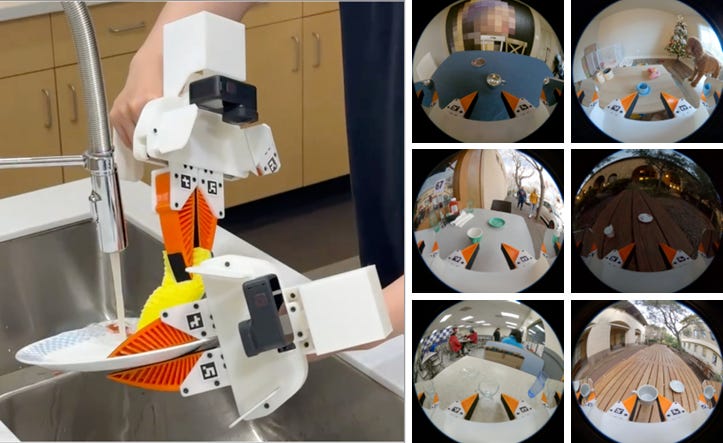
The breakthroughs in AI language models came from vast amounts of training data, but robots have no ready-made data to consume and are stuck in a data gap.
A Brown University team counted at least 341 distinct tariff changes in Trump's statements from January 21, 2025 onward.


