Over the past month AI has been used to break into major websites, exchanges and financial institutions, and governments are now telling citizens to prepare as they would for a disaster — but for ordinary people the first steps are still passwords and two-factor authentication.
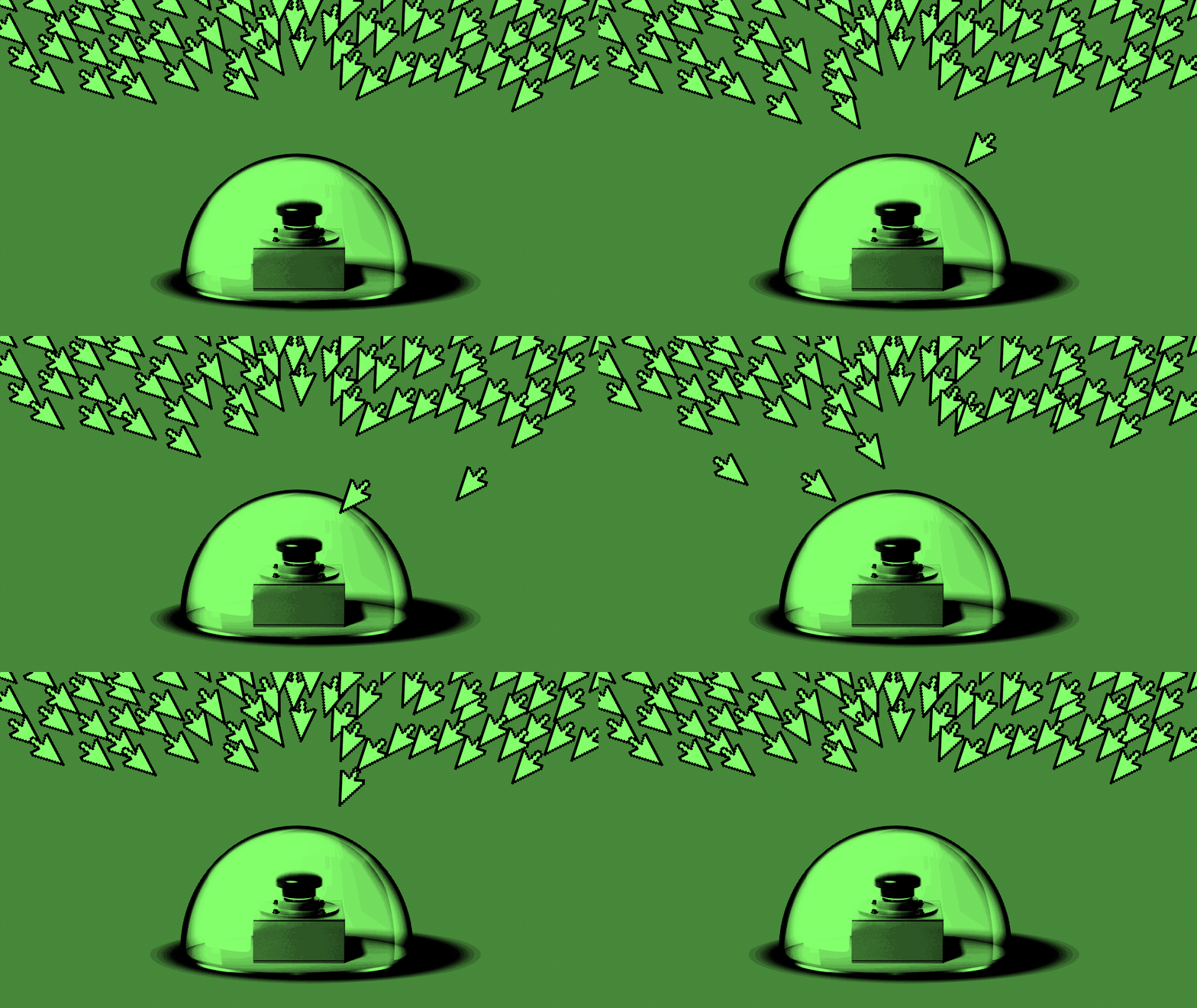
Since late last year, a growing chorus of cybersecurity experts has warned that AI is pushing the internet toward catastrophe. Last month, AI was used to find major flaws in software used by 70 percent of websites, and governments took their own sites down as a precaution. A week later, attackers hijacked Binance's internal AI tools and drained billions.
Even the fridge is a battlefield
This fall, AI has been used to hack hundreds of financial institutions in Latin America, plus data centres, banks and government entities worldwide. Hacking has also got cheaper, making individuals and small organisations worth targeting. The FBI recently warned about attacks on industrial refrigeration systems, after grocery stores in France, Belgium and elsewhere were hit.
The US defense secretary said every military base should keep running if the grid is attacked; Japan declared a state of emergency in cyberspace; South Korea ordered thousands of organisations to audit their security; the UK told citizens to stock several days of water and food.
You don't need a bunker, just better passwords
The advice to ordinary users is less dramatic. Use different, long, randomly generated passwords for every account, kept in a password manager. Turn on two-factor authentication wherever you can. Keep laptops, phones, routers and apps updated — an unpatched flaw lets someone steal your browser cookies and login details, bypassing even two-factor authentication.
Phishing has also got very good: fake customer-service sites turn up in search results, with AI voice agents on the line, and texts impersonating your boss, a real-estate agent or a tax official. The historic Binance hack reportedly began with an employee clicking a malicious ad.
Some are already storing 55-gallon drums
Many in Silicon Valley go further. Investor Peter Thiel once planned a bunker-like cottage on remote New Zealand land, rejected by the local council; Sam Altman told The New Yorker in 2016 he had guns, gold, potassium iodide, antibiotics, batteries, water, gas masks from the Israeli Defense Force and a big patch of land he could fly to.
Others are more practical. The head of the AI-safety group Palisade Research suggests keeping a hard drive or Blu-ray discs with photos and important documents, plus a few days of food, clean water, a flashlight and cash — useful for a pandemic, a tornado, or hackers taking down the grid or the banks. Another expert writes his bank and email passwords on paper rather than storing them digitally.
Jeffrey Schlegelmilch of Columbia's National Center for Disaster Preparedness says it hardly matters whether the power is out because of an earthquake or a cyberattack. The basic kit is the same: a few days of food and water, a flashlight, a battery-powered radio — and most important, knowing your neighbours, since connectedness is one of the strongest predictors of how a community recovers.
Some of this is easy to laugh at. But ten minutes on your digital hygiene, a few extra tins of long-life food and a flashlight with spare batteries in the cupboard will be welcome whether the attacker is an AI-powered hacker or an ordinary blackout.
Why it matters
AI has pushed the cost of hacking low enough that individuals and small organisations are now worth attacking, which makes cybersecurity a household skill rather than an IT department's problem. Once the UK government starts telling people to stock water and food, basic digital hygiene sits alongside locking your door and owning a fire extinguisher.

Curated from high-quality sources, with concise summaries and key takeaways.

