Nvidia CEO Jensen Huang resigned after revelations of two extramarital affairs, one with a woman suspected of smuggling chips to China and of being a spy, sending the company's stock tumbling and removing the AI boom's stabilising force.
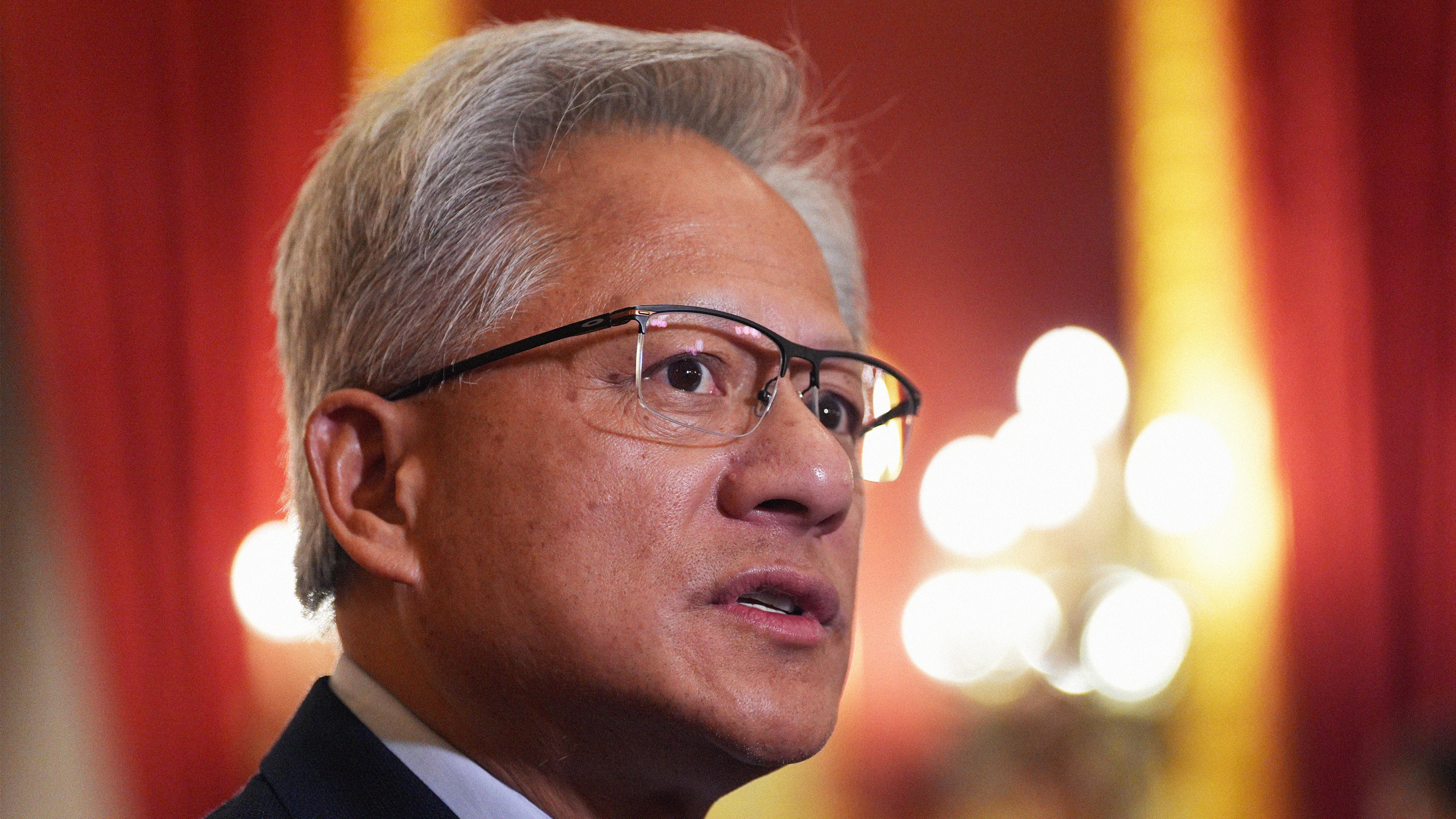
Every big name in the AI boom has taken a beating at some point. Only Jensen Huang seemed to wear body armour. Yesterday, two affairs punched through it.
From untouchable to untenable
The board met to decide whether to remove him. This morning, he resigned. Nvidia is the arms dealer of AI — by some estimates, 90 percent of the advanced chips in the industry are its own. Its valuation hit $5.7 trillion last month, rivaled only by its own May peak.
Without Nvidia's chips there is no ChatGPT or Claude. Its profits also feed the ecosystem: tens of billions of dollars go to fledgling AI firms and data centres, which turn around and buy or rent its chips. One analysis found eight AI companies account for half the S&P 500's gains since ChatGPT launched in 2022. As much as a third of U.S. GDP growth this year is driven by AI-related investment.
Mistresses, smuggling and spy suspicions
One affair was with Alice Huang, who until recently ran Megaspeed, a Singapore data-centre company. Megaspeed has bought billions of dollars' worth of Nvidia chips and is suspected of violating U.S. export controls by smuggling technology to China. U.S. intelligence agents reportedly suspect her of being a spy (China denies this). Nvidia had insisted the relationship was 'not unusual or unexpected.' The second affair, with Nvidia's own vice president of health care, was reported by The New York Times last night.
In hindsight, the signs were there. By mid-2025, Singapore-based customers accounted for a fifth of Nvidia's revenue. After news of the Megaspeed investigation broke, Nvidia appeared to switch accounting methods so that no Singapore revenue showed up. The Times also reported that Nvidia's top lawyer tried to intervene in the investigation, which began in 2024. All the while, Huang lobbied hard to lift export controls on China.
The king falls, physics remains
Silicon Valley closed ranks: Musk, a cadre of venture capitalists and Trump all said he was 'too big to fail.' Maybe the company still is. He isn't. In 2003 he said corporate culture is about 'intellectual honesty' — the ability to be self-critical and admit mistakes. This time, he and the board finally took his own advice.
Why it matters
The stability of the AI boom turned out to rest on one man: the sole supplier of its chips and the axle of its investment flywheel. When 'too big to fail' protects the company but not the person, Nvidia's succession vacuum becomes a bigger risk than the scandal itself.


Curated from high-quality sources, with concise summaries and key takeaways.

