BGI's Mei Yonghong warns that China's catch-up model in science and technology is exhausted, and the second half demands rebuilding the innovation ecosystem from funding to culture or risk losing the century's contest with the US.
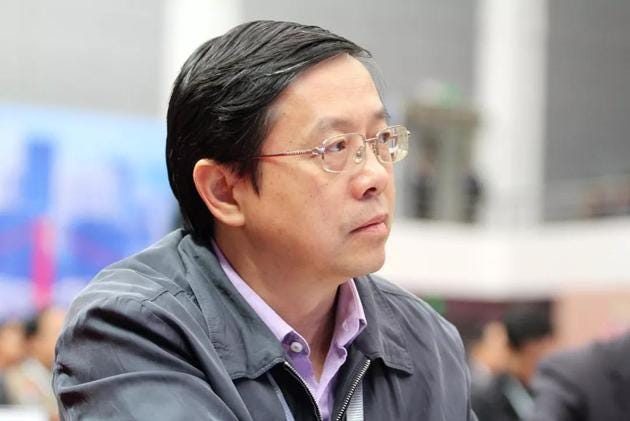
China has run a brilliant first half. Mei Yonghong calls it the most successful catch-up model among late-developing countries: BeiDou, high-speed rail, 5G, DeepSeek. Once the direction was clear, pouring in resources and iterating was enough.
That playbook has expired, says the director and executive vice president of BGI Group. The cooperation window closed; since Trump's first term, Washington has sanctioned over a thousand Chinese institutions, blocking even basic research and co-authored papers. With no one ahead to follow, China must explore on its own.
America is swapping out the engine
What alarms Mei more is that the US is rewriting its own system. A report by White House science adviser Michael Kratsios, 'Science: A New Golden Age', marks three shifts against Vannevar Bush's 80-year-old 'Science: The Endless Frontier': from funding universities to funding teams on hard problems, from open-ended discovery to 'monetising science', from the state as funder to the state as portfolio allocator.
The numbers speak. US companies spend $700 billion a year on R&D, more than three times government and university spending combined. Of the world's ten biggest corporate R&D spenders in 2025, seven are American; Huawei is the only Chinese firm on the list, at about half Google's outlay.
Last October the US president gave all four National Medals of Science to entrepreneurs: Musk, Brin, Huang and Su. How a country defines its science heroes, Mei says, directly shapes its innovation environment.
China lacks soil, not money
He lists the gaps concretely: industry, universities and institutes work in silos with responsibilities scattered across authorities; capital markets lag by orders of magnitude in function and scale; IP protection is far from mature, and infringement of innovative firms is routine.
The academic culture cuts deeper. A society obsessed with quick results cannot nurture big innovation. How many Chinese, he asks, will spend ten years on a single field?
Nature's survey of researchers in 133 countries put Chinese job satisfaction at 51%, last in the ranking and ten points below the global average. Many can accept low pay, long nights and failure; they will not accept working under these rules.
Mei's conclusion has no shortcut: the second half is decided by systems, and the foundation is the ecosystem.
Why it matters
An innovation ecosystem is not a slogan. It shows up in whether investors can exit, whether patent suits can be won, and whether a young researcher dares bet ten years. Where those fail, past catch-up experience buys no sense of direction in uncharted territory.



Curated from high-quality sources, with concise summaries and key takeaways.

