
Daily Takes
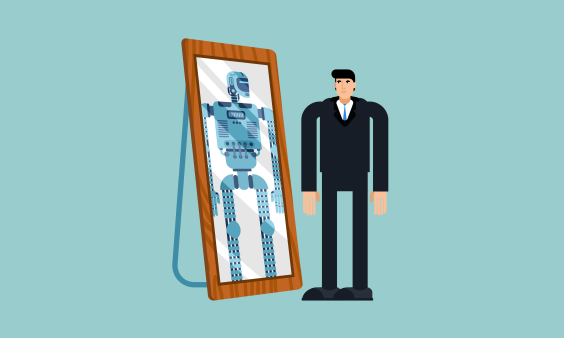
Are You in Danger of Becoming a Robot?
Frequent interaction with social robots can subtly reshape people's expression and identity to fit AI's capabilities, resulting in a diminished sense of personhood.
You might think mimicking robots is just for laughs—Charlie Chaplin in Modern Times couldn't stop turning bolts after leaving the assembly line, and robot dance videos are all over TikTok. But research suggests that chatting too much with social bots might genuinely make people more robot-like.
1. Not replaced, but tamed
Researchers call this 'robotoid humanness.' The risk isn't that people mistake bots for humans or turn into machines; it's that people slowly adjust themselves to make it easier for AI to understand them.
For instance, people change the way they speak to voice assistants, craft resumes purely to pass software filters, and writers avoid certain words to escape AI detection.
2. Why AI rewires you
Human friends push back, offer surprises, and help you grow. But social bots are designed to keep you engaged by always agreeing with you, offering 'frictionless alignment.'
This pseudo-intimacy nudges people to become more consistent and predictable, shrinking room for self-reflection and growth.
3. Who is most at risk
The lonely, sick, very young, or those having a hard time are most vulnerable. A warm, attentive companion available at 3 a.m. is hard to resist.
The study warns that as AI saturates daily life, this 'reduced personhood' could become normal. Though theoretical, the authors caution: don't let robots define who you are.