TL;DR
Eradicating mosquitoes is feasible, and we should start with the few deadly species, since they contribute almost nothing to ecosystems yet kill hundreds of thousands of people annually.
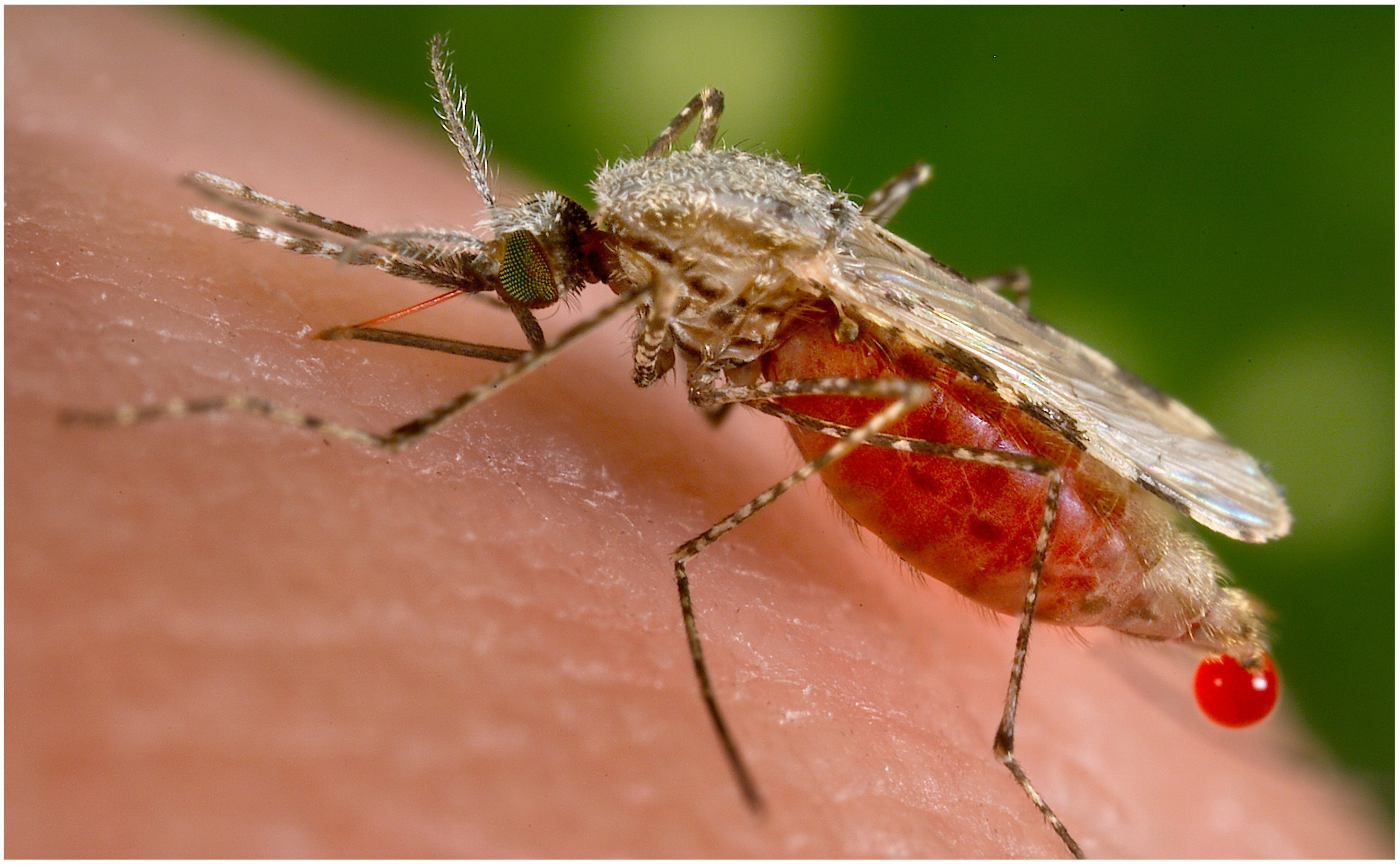
The buzz keeps you awake and the itch drives you crazy—but that's trivial. Mosquitoes infect hundreds of millions and kill about 700,000 people every year, more than any other animal. They've toppled empires and kept Africa poor.
Get rid of them all? Sounds radical, but maybe there's a case.
We've done it before
In the 1930s, Brazil went door to door spraying insecticide and draining standing water, nearly wiping out Aedes aegypti across South America. Post-WWII DDT was even more effective—malaria cases on Sardinia fell from 75,000 to zero in four years.
Then funding dried up and surveillance slacked off, so the mosquitoes returned. But it proved the point: wiping them out doesn't collapse ecosystems.
Only 7 species to target
There are 3,600 mosquito species, but only a handful bite humans—and just seven cause almost all deaths. Aedes aegypti spreads dengue and Zika; Anopheles species carry malaria; the tiger mosquito is a global invader.
Most of these are invasive and ought to be removed anyway. The natives aren't indispensable either: other insects filter water, they barely pollinate anything, and the biomass they pass on is mostly human blood.
Keep them, and you're feeding babies to animals for no good reason.
Nuke the worst first
Eradicate the deadliest species, watch what happens, then decide. Start with the worst and you're on safe ground.
Bottom line: mosquitoes don't rule, we just haven't tried hard enough.
Curated from high-quality sources, with concise summaries and key takeaways.

