TL;DR
Dog shows, which claim to preserve historical ideals of breeds, are actually a profit-driven exercise in creating living taxidermy that distorts breeds' true history and function.
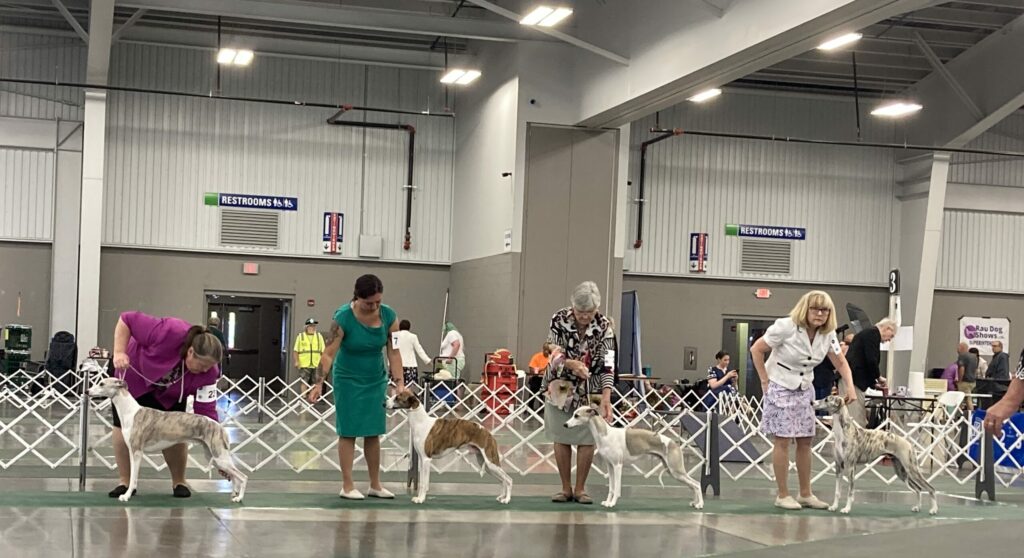
In a vast hall in Virginia, over 400 purebred dogs are vying to see who best matches their 'ancestral ideal.' The show's roots go back to 1859, when gunsmith W. R. Pape organized a competition for gun dogs, with guns as prizes.
Today's shows, run by the American Kennel Club, judge dogs against a 'breed standard' — a document that translates historical jobs into marketable traits like proportion, attitude, and gait.
Dog shows are a business
'A breed' isn't a scientific category but an economic label, useful for buying and selling. Shows are quality control for the purebred industry; winners gain value and breeding rights, so no dog can be neutered.
Every dog has a full name like a product code, with titles stacked. They are family and property at once.
Preserving or faking?
The show rewards dogs that look most like their 'historical original,' but that's a fantasy. Some standards now ignore their bloody past entirely — the bulldog's standard makes no mention of bullbaiting.
Then there's 'bark softening,' a surgery that cuts part of a dog's vocal cords, to keep them quiet. It's for looks, aligning with standards, but it turns lively animals into easier props.
Breeders fight evolution, trying to shape dogs toward an ever-shifting ideal that drifts further from history with every Best in Show. It's like creating living taxidermy, neither historical reenactment nor true preservation.
In short: the perfect show dog is just a living specimen remade in human image, ever further from the real thing.
Curated from high-quality sources, with concise summaries and key takeaways.

