TL;DR
A gifted Palestinian surgeon who could have lived comfortably in Saudi Arabia ended up settling his family in a coal-mining town in Appalachia, as the only way out from under occupation.
The author's grandfather, Sido, was the real thing. When his father died, the family opened a wardrobe and found he had kept every exam book his son ever wrote, all of them perfect scores.
He turned down the Saudi fortune
He studied medicine in Beirut, then went to Saudi Arabia as doctor to the man who later became Crown Prince Fahd. The Saudis liked him enough to offer him citizenship. A relative said nobody with that job walks away. He walked away.
What he wanted was more training, and the best place for it happened to be America. So he took his wife to New York, where he did a surgical oncology residency at Memorial Sloan Kettering.
The place was called Grundy
In the late seventies his eldest son went off to college in Virginia. Sido went with him, meaning to head back to Nablus, and instead started looking for work.
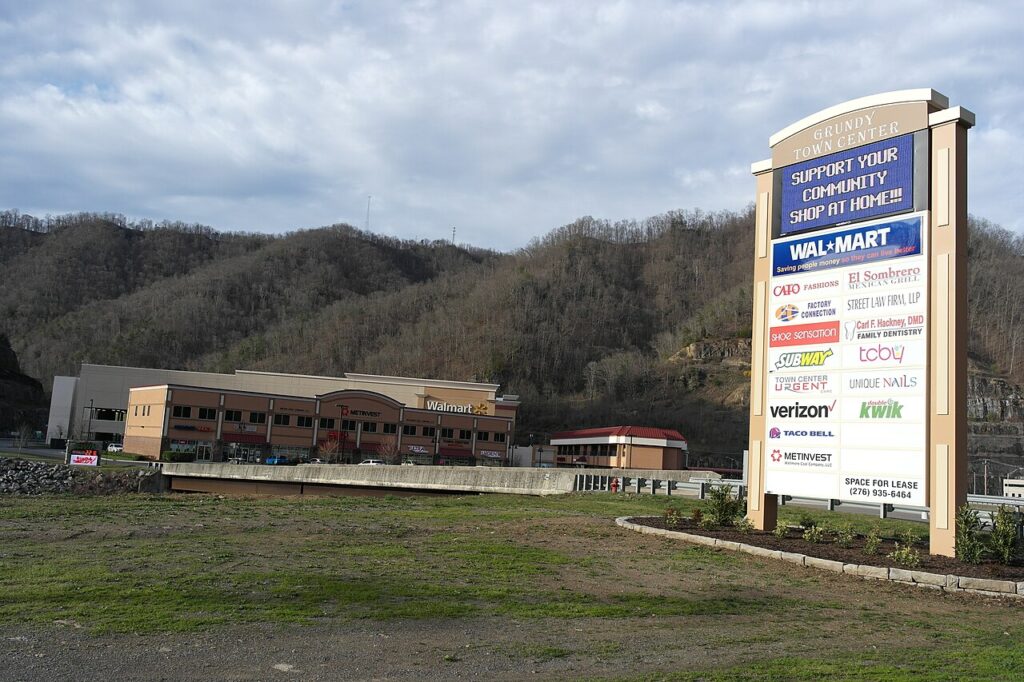
The job was in a small town: Grundy, Virginia, wedged between Kentucky and West Virginia, a place that lives off coal. Population then 1,100, now 875. No Walmart, no McDonald's, but a Burger Queen.
The new hospital up in the mountains needed doctors for the miners. The miners were unionised with good health cover, and the hospital offered him a guaranteed six thousand dollars a month.
When his wife finally arrived she called her son in tears: why did nobody tell me it was like this.
Because the America she had in mind was Manhattan. They had lived in New York twenty years earlier, and what she remembered was yellow cabs and Bloomingdale's.
A country lost in six days
Sido's story carries the whole recent history of Palestine inside it. In the Six-Day War of 1967 Israel took the West Bank, East Jerusalem, Sinai, Gaza and the Golan Heights in under a week.
The radio kept reporting that the Arab armies were winning, and the family sheltering in a basement believed it. When Israeli soldiers came to demand surrender, everybody came outside thinking it was their own side announcing victory. The author's great-grandfather wept.
Later Sido worked as a doctor with the PLO in Jordan. The PLO was expelled, he saw the same thing coming in Lebanon, and went home. Five years with the PLO would have meant years in an Israeli prison for most people. Because he was a well-known doctor, he was sent to a rural hospital in Tulkarem instead.
One honest answer, on live television
Two years later he was made head of a hospital in Nablus. The Israeli health minister arrived with a TV crew to show how well Israel treated the Palestinians, and asked him on air: why don't you people trust us?
He said: I'm an unarmed doctor, and you have two armed soldiers behind you. Who is trusting whom?
The minister asked again what Israel had done for them. He said: nothing. The city had three hospitals; when the Israelis came in they looted two of them, took the equipment, and turned them into jails.
The interview over, he was stripped of the post. He expected to be exiled. Instead the health ministry reopened one of the hospitals.
The place he never got back to
His middle son, Sami, was arrested and released eighteen times for resisting the occupation. His parents knew he would end up dead, so they sent him to Cairo to finish school. Most of his friends died, or spent years in prison.
Sido remembered the Saudi citizenship he had been offered two decades earlier, now that the family was stateless and the opportunities were closing one by one. It was too late to claim it.
He died of brain cancer. In his early years in oncology there were no safety standards, and he spent them around radiation and chemicals. He asked to be buried in Nablus.
The author has never been to Grundy. She watched an aerial video of it on YouTube and was shocked by how beautiful it was, a steep green mountain standing in the middle of the town — like Nablus, the city between Mount Gerizim and Mount Ebal.
Curated from high-quality sources, with concise summaries and key takeaways.

