TL;DR
All the anxiety is aimed at the next generation of models, yet the ones already here can cover weeks of human labour, and that gap is where the opportunity sits.
The author usually posts every couple of weeks, and lately that has felt slow — AI keeps producing events by the day while human processes crawl behind. That lag, he suspects, is where a lot of the worry comes from.
His point is not the future though. It is right now: the models already on the shelf are enough.
Work that used to take a team weeks
He handed the 1977 text adventure Zork to an AI and had it rebuilt as a playable 3D action game. The original has no graphics, only a paragraph per location, so the AI had to decide what the white house looks like and what the monster looks like.
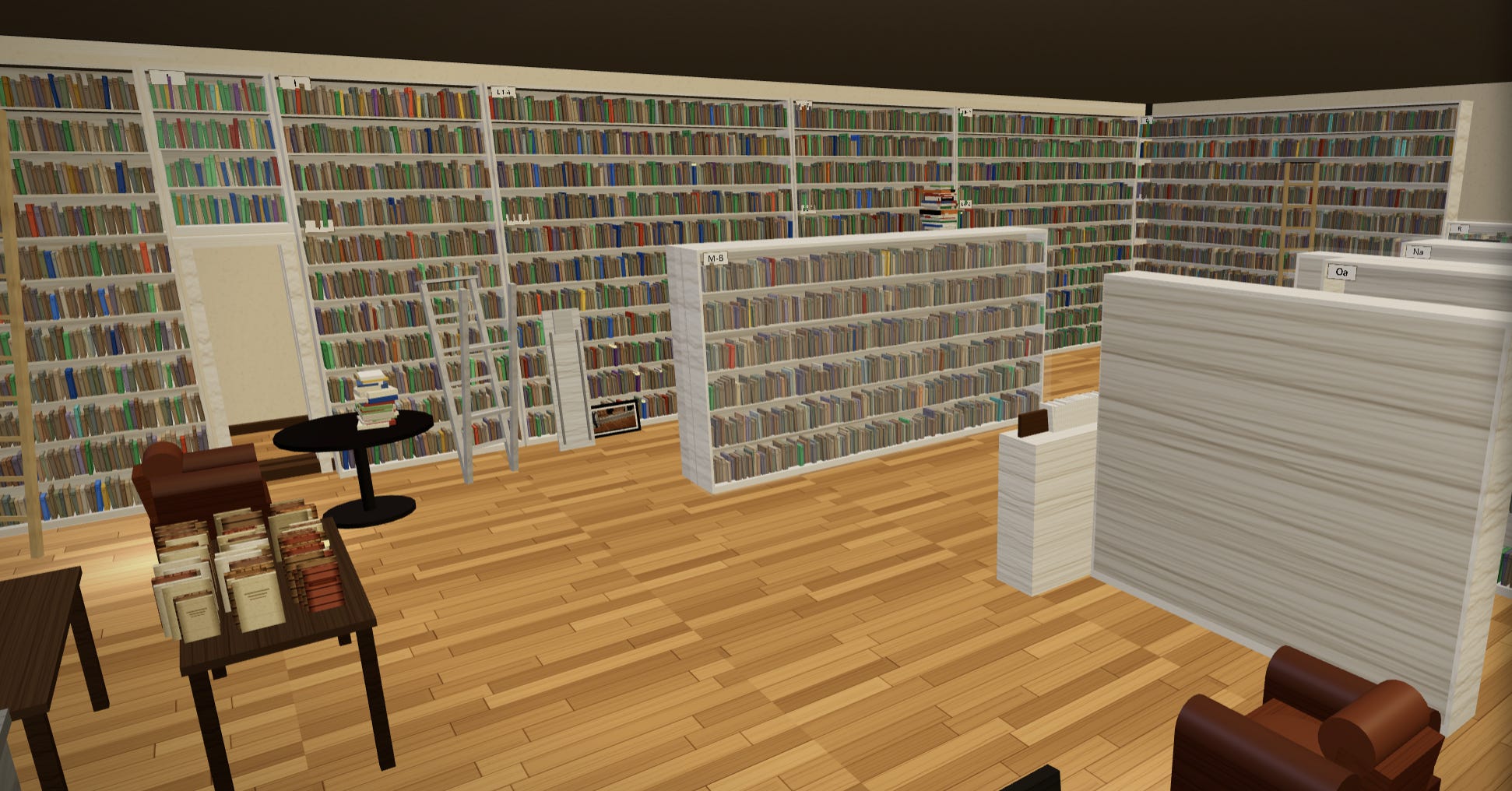
The other project is stranger: Umberto Eco kept tens of thousands of books in his Milan apartment and there was no floor plan. Working from a dozen videos, photographs of each bookcase, and two catalogues, the AI read spines frame by frame and placed the roughly 5,000 books it could identify into some 27,000 shelf slots. Anything uncertain was marked a guess, and bookcases no camera ever reached were drawn in fog.
Done by people, that is researchers, coders and designers for weeks.
Nobody knows how strong the tool in their hands is
The author asked an AI to make a trailer for his forthcoming book. It opened Blender on its own — professional 3D modelling software he did not know it could use — built an animated scene, wrote a script with jokes, added voices, music and sound effects, and delivered in 45 minutes.
Asked later for an action-movie version, it used the animation as a storyboard, drove a video generator through his browser, and cut the shots together. He gave notes. He never touched a production decision.
And yet most people are not using any of this, or do not know it is there.
Your four advantages
The author's argument is that competing with AI on output is a losing game. What works is four things:
Deep knowledge: knowing a field so well that one glance at a spreadsheet tells you something is off. That is how he spotted that the trailer was grimmer than the book.
Wide knowledge: knowing that design thinking exists, so you can say 'stop adding eyebrows to my headlines.'
Taste: making things used to be the hard part; now the hard part is choosing among what gets made.
Agency: nobody will tell you what AI can do. You find out by trying.
The models could freeze tomorrow and the change would still arrive. The only question is whether you are waiting to be replaced or bringing your four advantages to the table.
Why it matters
Public debate about AI is almost entirely spent on whether the next model will get out of hand. This piece turns the camera back: even if every lab stopped training tomorrow, the idle capacity of today's models is enough to reshape much of the economy. What it offers is not a forecast but a list you can act on now.
Curated from high-quality sources, with concise summaries and key takeaways.

