US respiratory vaccines were supposed to be free this fall, but a stalled federal advisory process has cut orders for infant RSV antibodies, held up childhood Covid shots, and left some states without pharmacy access.
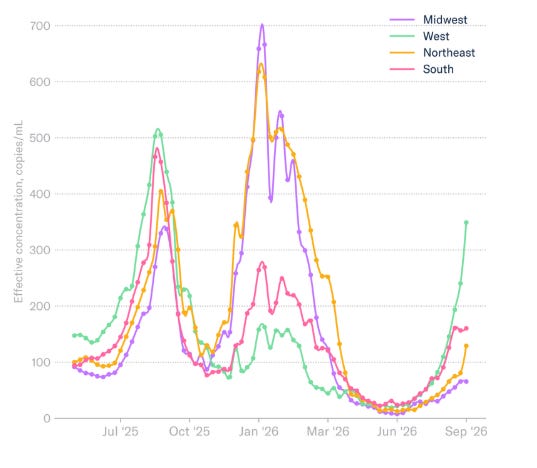
Respiratory season is just getting started in the US, and the vaccine supply chain is already a mess. The shots were supposed to be free this fall, but federal confusion means many people still cannot get them.
When the advisory panel stops, insurers stop following
RSV is the leading cause of hospitalisation for infants. Normally the CDC's vaccine advisory group updates its recommendations as evidence changes, and insurers follow. This year that process has stalled, leaving the guidance a year out of date.
Paediatricians want to protect more high-risk babies with antibodies, but insurers may refuse to pay, so clinics simply ordered fewer doses.
Childhood shots are stuck at the director's desk
For adults, pharmacies in most states can still give Covid vaccines, but a handful of states such as Louisiana cannot. More than 80% of people get vaccinated at pharmacies in the first place.
Children have it worse: a federal programme buys more than half of all US childhood vaccines, and shipments need a signature before they go out. That signature is being held at the CDC director level for reasons nobody has explained. Right now, your kid most likely cannot get a Covid shot.
What still works
Flu vaccination is running normally, and insurance covers it. But experts warn that if these snags are not cleared by October, high-risk people, families missing school, and hospital capacity will all feel it.
Do not give up looking for protection, and do not take it out on the clinic or pharmacy staff — this is above their pay grade. If you hit a wall, make noise upward: your insurer, the pharmacy manager. Eventually the system hears it.
Why it matters
Whether you can get a vaccine looks like a medical question, but on the ground it is a paperwork question: one missing signature or one outdated recommendation is enough to empty a pharmacy shelf and leave a baby outside the door. The real risk is not this winter — it is that these workarounds become the norm, and the next emergency moves even slower.

Curated from high-quality sources, with concise summaries and key takeaways.

