By tracing Microsoft's earnings claims against its balance sheet, the author argues that of the roughly $265 billion spent on capex since 2022, only about $50 billion of GPUs are actually running, with $50-100 billion more sitting in warehouses waiting for power.
The author runs a newsletter devoted to the AI bubble and spends his time inside companies' financial filings. This time the subject is Microsoft's 'capacity'.
The word 'gigawatt' has stopped meaning anything
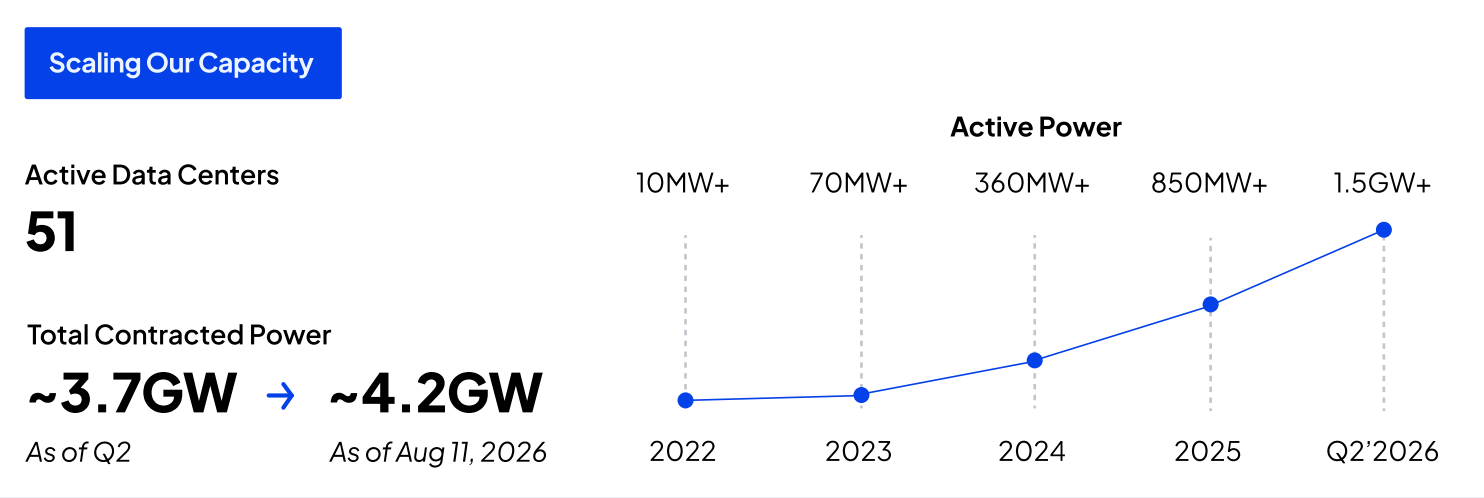
For three straight quarters Microsoft told earnings calls it had added a gigawatt of capacity, and would roughly double its footprint in two years. It sounds like data centres sprouting from the ground.
Bloomberg reported this year that Microsoft has about 12GW of capacity in total, and only around 2GW of it runs AI-specific chips. What is the other 10GW? Nobody will say.
A gigawatt measures electricity, not chips that can serve a model. 'I have secured power' is not the same sentence as 'I have a data centre running'.
The GPUs in the warehouse
The author does the arithmetic: roughly $265 billion of capex since 2022, against about $50 billion of GPUs actually in service.
Reading the short-lived asset line in the accounts, which is mostly servers and chips, he estimates $50 to $100 billion of GPUs are sitting in storage waiting for a connection.
Satya Nadella himself let it slip once: there is a bunch of chips in inventory that cannot be plugged in.
Microsoft is not alone. Adding up Google, Meta, Oracle, Amazon and CoreWeave, 'construction in progress' on their balance sheets comes to over $374 billion, of which perhaps $234 billion is uninstalled silicon.
Who inflated demand
If so many GPUs are dark, why is Nvidia still selling? Because customers order years ahead, betting on demand that has not arrived.
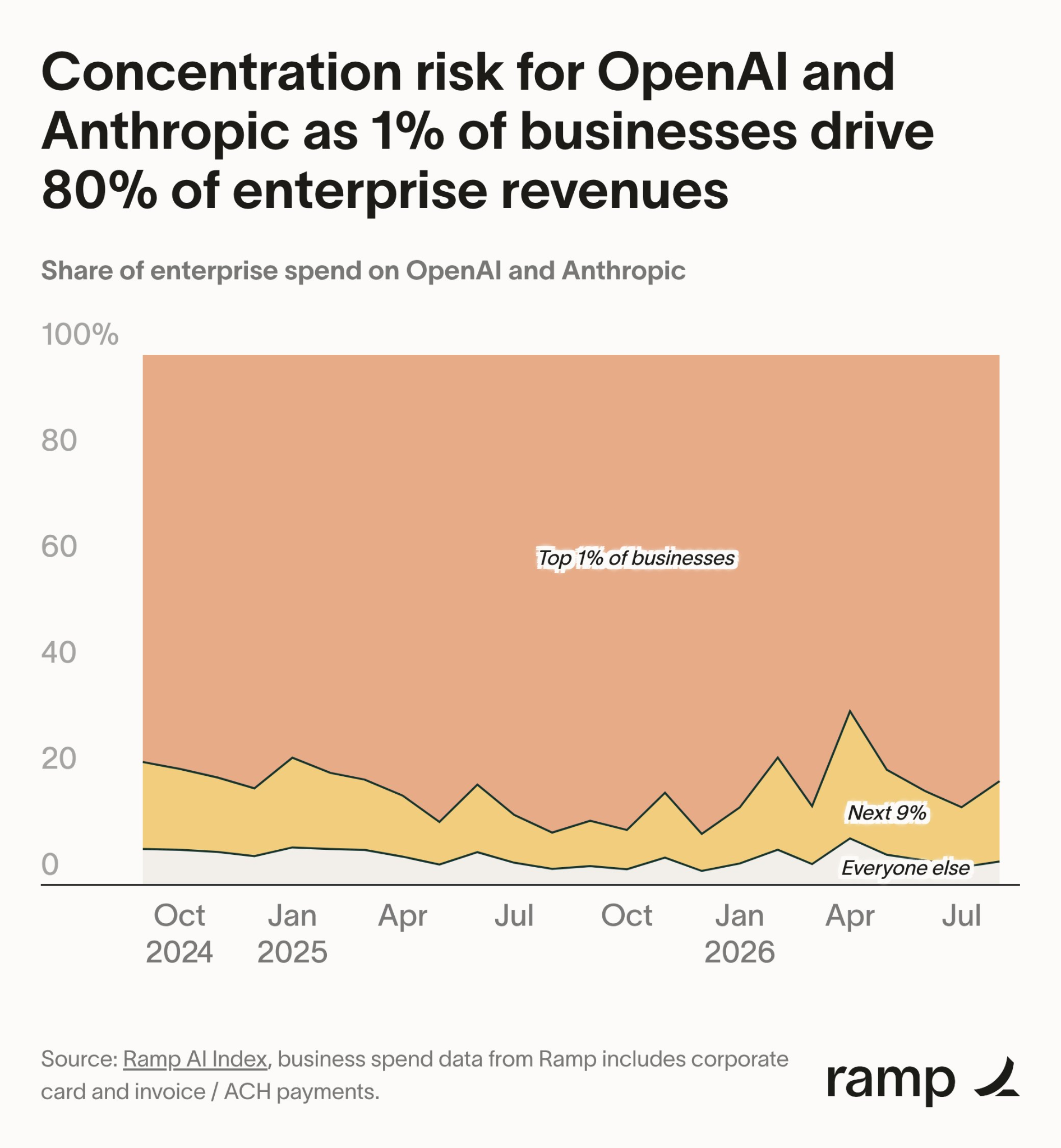
The real buyers of AI data centres are two companies: OpenAI and Anthropic. Together they account for more than 70% of the big clouds' AI revenue. Demand is said to outstrip supply because three companies signed contracts, not because millions of users showed up.
Both labs lose money and live on fundraising. If the money stops, so do the contracts.
The author's blunt conclusion: the cash is gone, the silicon is in a warehouse, and nobody wants to say who pays.
Why it matters
If the numbers hold, then 'surging AI demand' may be an artefact of language: chips sold is not compute running, and both the stock market and the debt market are priced on the confusion.


Curated from high-quality sources, with concise summaries and key takeaways.

