Wednesday, 23 September 2026
Picked from the best of the world's press

Paraskevi of Iconium church in Kwiatoń, Southern Poland.
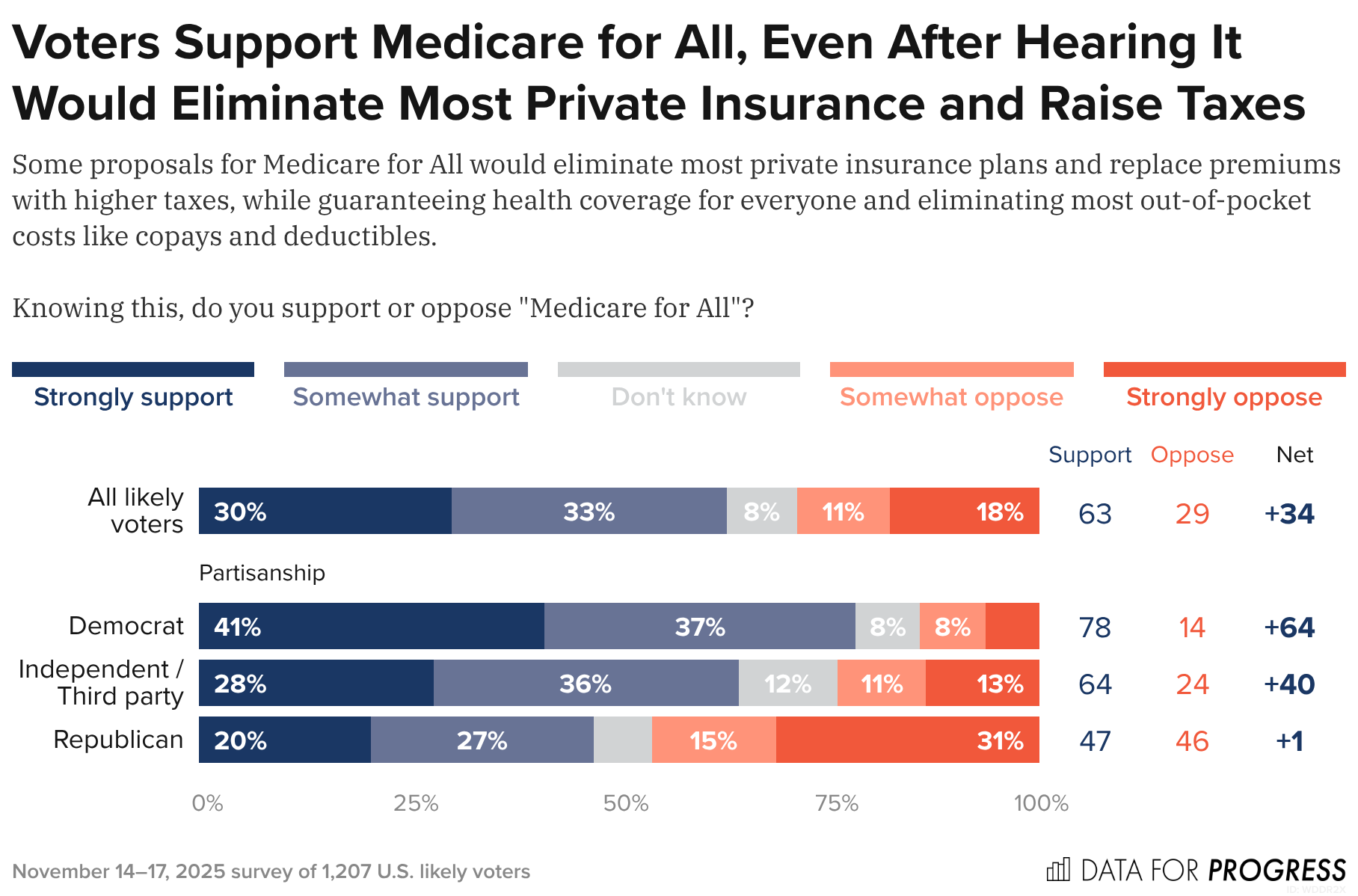
The real fight over Medicare for All is not whether public money pays for health care—roughly 70 percent already does—but who sets the prices and who gets to skim overhead.
Meta told employees that when its Muse agent places calls for users, a trained human in a call center dials, talks and finishes the job.

The great Bronze Age empires did not fall to drought or invaders so much as to iron: once anyone could dig ore out of local ground, kings lost their monopoly on weapons.
The US outsourced the dirty, unprofitable work of separating rare earths to China. Now its fighter jets and EV magnets need Chinese licences, and rebuilding would take over a decade.
A UK Biobank study of 277,000 middle-aged and older adults found that people who are both lonely and socially isolated get noticeably fewer disease-free years after 50, with men losing the most to mental illness.

The West talks endlessly about AI risk but has no institution that can actually enforce anything, while China's party-run machinery can simply decide — and does.

Anthropic's chief executive called for a global slowdown on the most powerful AI models and named China as a partner; Beijing's officials, state media and engineers all said no within days.

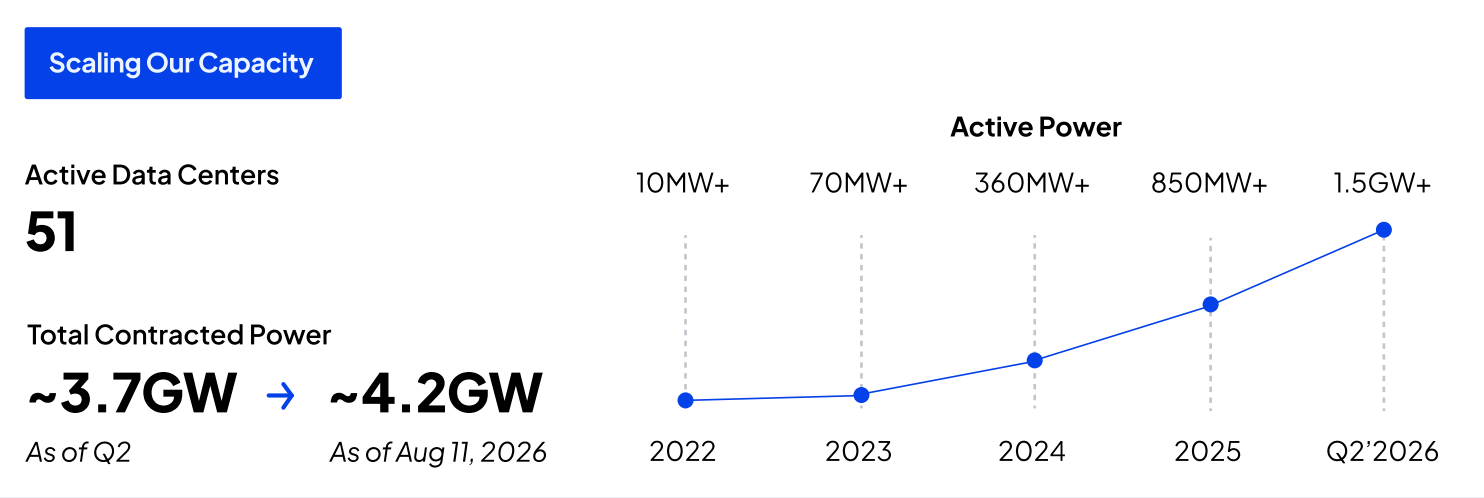
By tracing Microsoft's earnings claims against its balance sheet, the author argues that of the roughly $265 billion spent on capex since 2022, only about $50 billion of GPUs are actually running, with $50-100 billion more sitting in warehouses waiting for power.
The Horowitz Andreessen Academy, backed by a16z, has opened in San Francisco for college-aged kids who want to build things. Two authors who are also fathers ask themselves honestly whether they would send their own children.
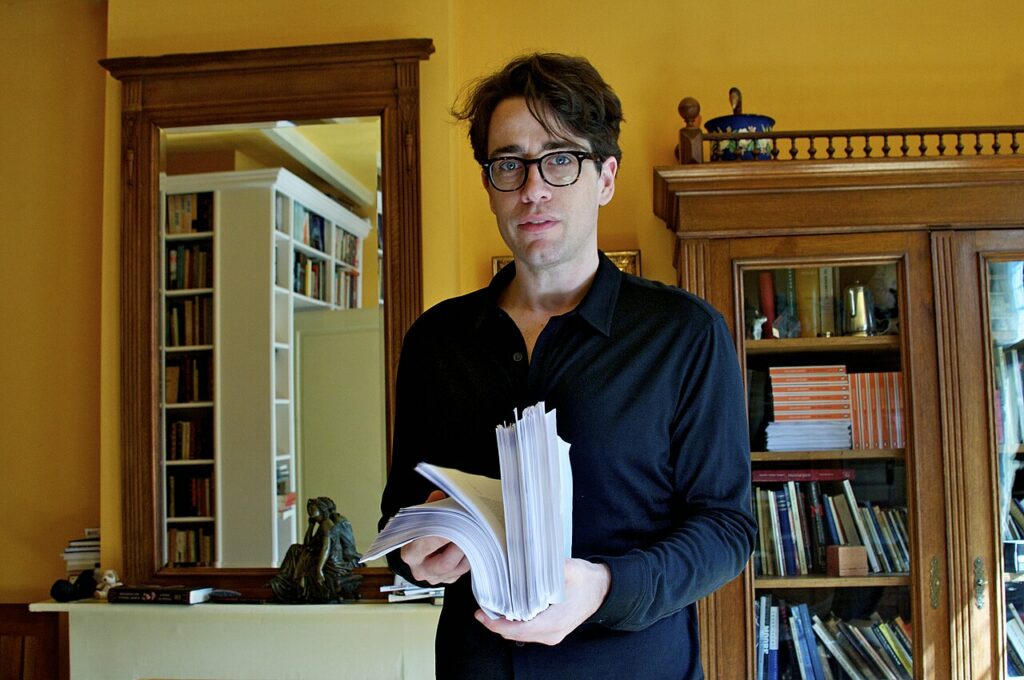
In a new book, Benjamin Moser profiles twelve Jewish anti-Zionists and argues that Israel sells itself as the Jewish plan B — a plan B that turns out to be extremely dangerous.
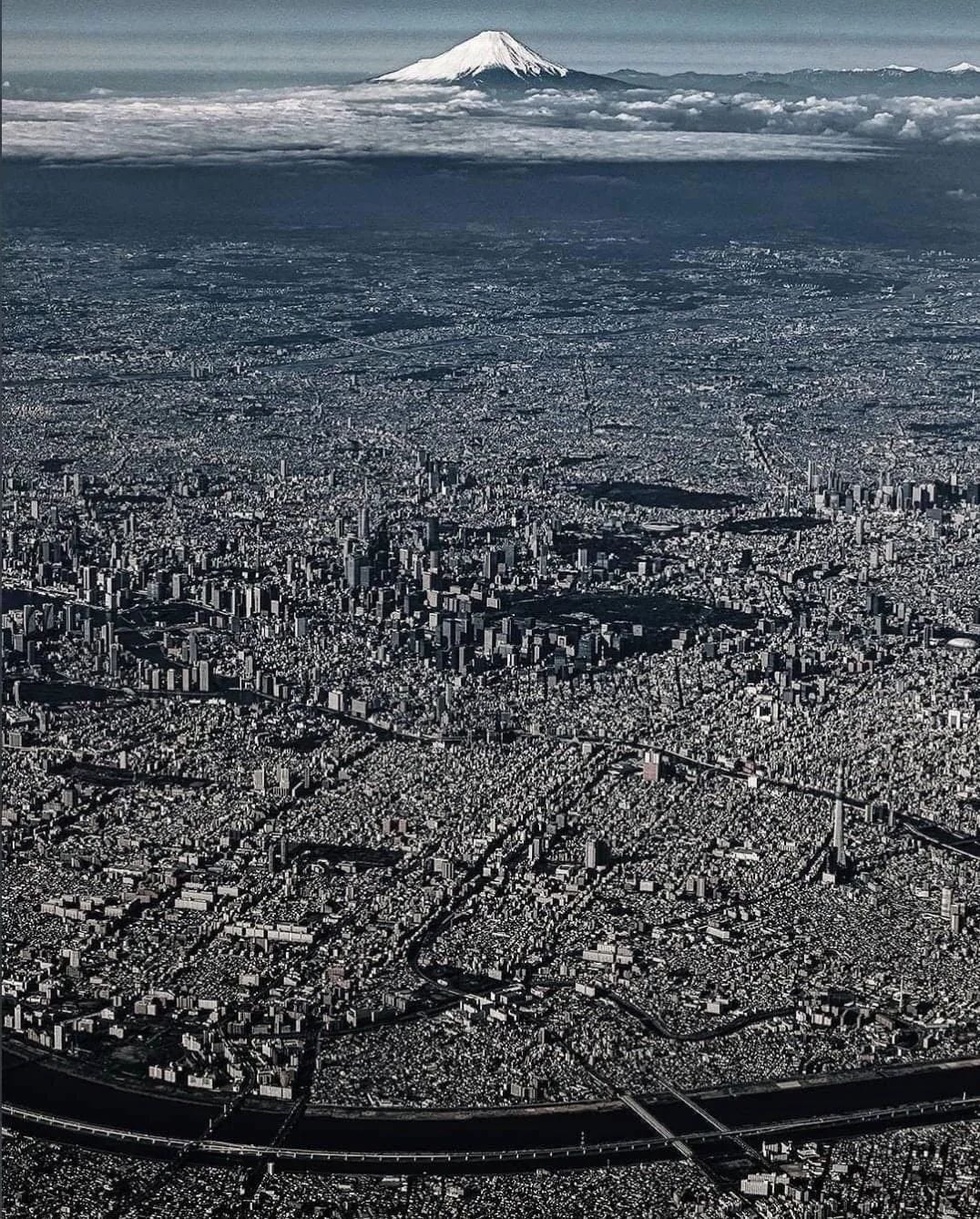
Japan is crowded because rice paddies and cold-meets-warm currents feed a lot of people; Tokyo became the world's biggest city because it sits on the Kanto Plain, the country's largest flatland.
A long-run comparison of five groups' forecasts shows professional investors, retail investors and CFOs all extrapolate recent returns into the next year — while professional economists barely move.