An exhibition in Chicago refuses to show Emmett Till's mutilated body or his killers, using work by more than 110 artists to imagine the life he was denied, at the same moment the US government is pulling that history out of museums.
In 1955 a 14-year-old Black boy from Chicago went to visit relatives in Mississippi. He was abducted, tortured and lynched by white supremacists. His name was Emmett Till.
His mother insisted on an open casket and let photographs of her son's face be published. Let the world see what they did to my boy, she said.
This time, not one photograph of the body
Chicago's Museum of Contemporary Photography has mounted an exhibition about him, guest-curated by the Harvard professor Sarah Elizabeth Lewis.
There is no photograph of Till in the show, none of his mother, no image of the violence and none of the men who did it. In their place are works by more than 110 artists, imagining a single thing: the life he should have had.
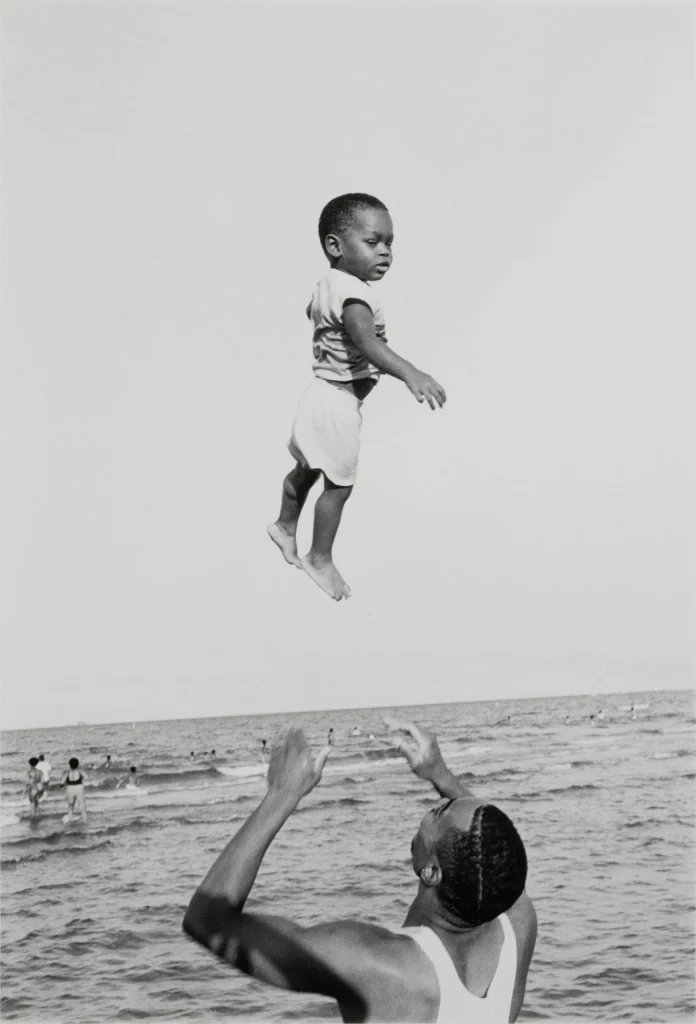
The show opens with a black-and-white picture of a small Black boy tossed into the air by his father on a Chicago beach in summer. He hangs there, calm, and the father's hands wait to catch him.
Remembering takes effort, and it is being spent
The timing is hard to call a coincidence. After a 2025 executive order, material on African American history, slavery and climate change has been coming down from parks, monuments and museums across the country.
The head of the Smithsonian, who had been due to speak, cancelled his trip. The room was still full, and people were willing to talk about the history and about what comes next.
The civil rights lawyer Sherrilyn Ifill called the exhibition an invitation to unsee: to set aside the broken body she remembers from her childhood and picture him alive instead.
Remembering is hard work, and democracy does not hold without it.
Why it matters
How a country treats its worst history is visible in small moves, not in burning archives but in taking down one label in one museum. Curators and preservationists can answer by changing memory from evidence of a crime into the life that was owed, which is much harder to dismiss as politics.
Curated from high-quality sources, with concise summaries and key takeaways.

