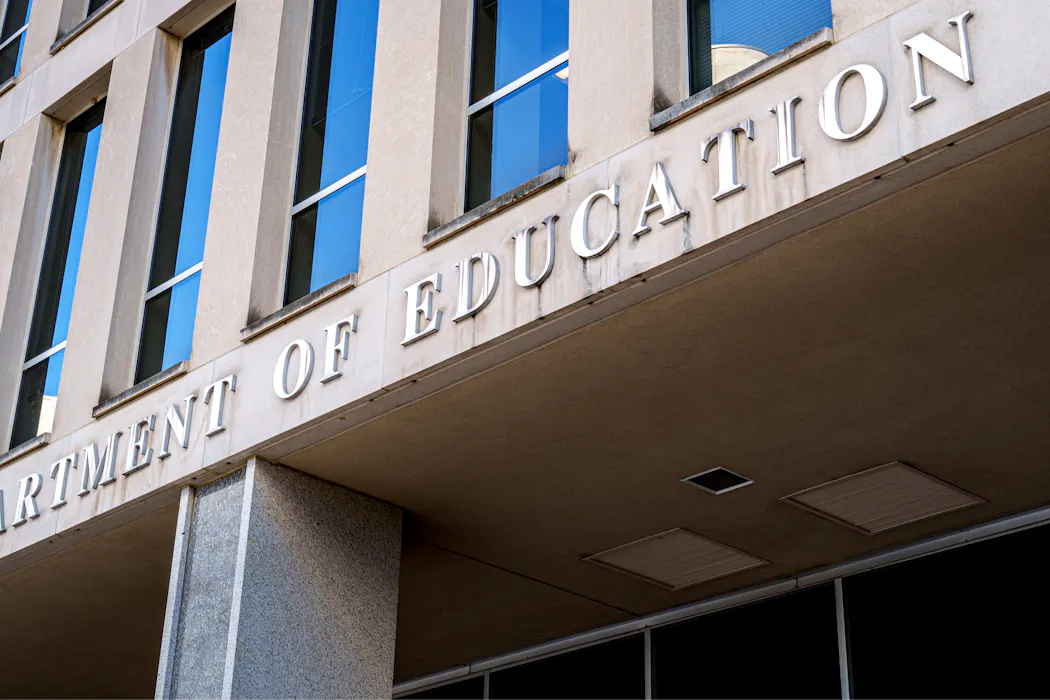
Budget and staffing cuts have closed seven of the twelve regional offices of the Education Department's Office for Civil Rights, and complaints are now being dismissed without investigation while families hear nothing back.
Felicita weighed one pound at birth. She was later diagnosed with cerebral palsy, uses a power wheelchair, and in 2024 wanted to join her middle school cheerleading squad. Her mother says the school refused to make any accommodations.
She saw it as discrimination and filed a complaint with the Education Department's Office for Civil Rights. For decades that office was the last safety net for parents up against a school.
Most of the office was cut away
The office enforces federal laws banning discrimination in schools on grounds of race, colour, national origin, sex, disability and age. It was the only free direct line parents had to the federal government.
In March 2025 the department cut nearly half of its roughly 4,000 staff, including an estimated 299 of 575 positions at the civil rights office. Some were later reinstated, but seven of twelve regional branches closed for good.
What 'resolved' actually means
Between March and September 2025 the office received over 9,000 new complaints and reported more than 7,000 as resolved. The Government Accountability Office found that about 90% of those were simply dismissed without investigation.
Attorneys say that after the Dallas branch shut, they stopped even getting acknowledgements that complaints had arrived, so they told their staff not to spend time filing them.
Texas is the cautionary tale: the state once pressured districts to keep special education enrolment at or below 8.5%, a federal investigation found that unlawful, and only after a five-year corrective plan did Texas finally meet the law's requirements.
Federal oversight never made the problems vanish. It did force the state to admit them and fix them. That pressure is now gone.
Why it matters
Federal oversight never won every case for parents; its job was to make states and districts feel watched. Once that gaze is withdrawn, whether a child gets the education they are entitled to depends largely on whether the family can afford a lawyer.


Curated from high-quality sources, with concise summaries and key takeaways.

