A new study reconstructed the finances of 71 large Chilean firms between 1967 and 1973, 32 of which were nationalised: profitability fell by 11 to 13 percent on average afterwards.
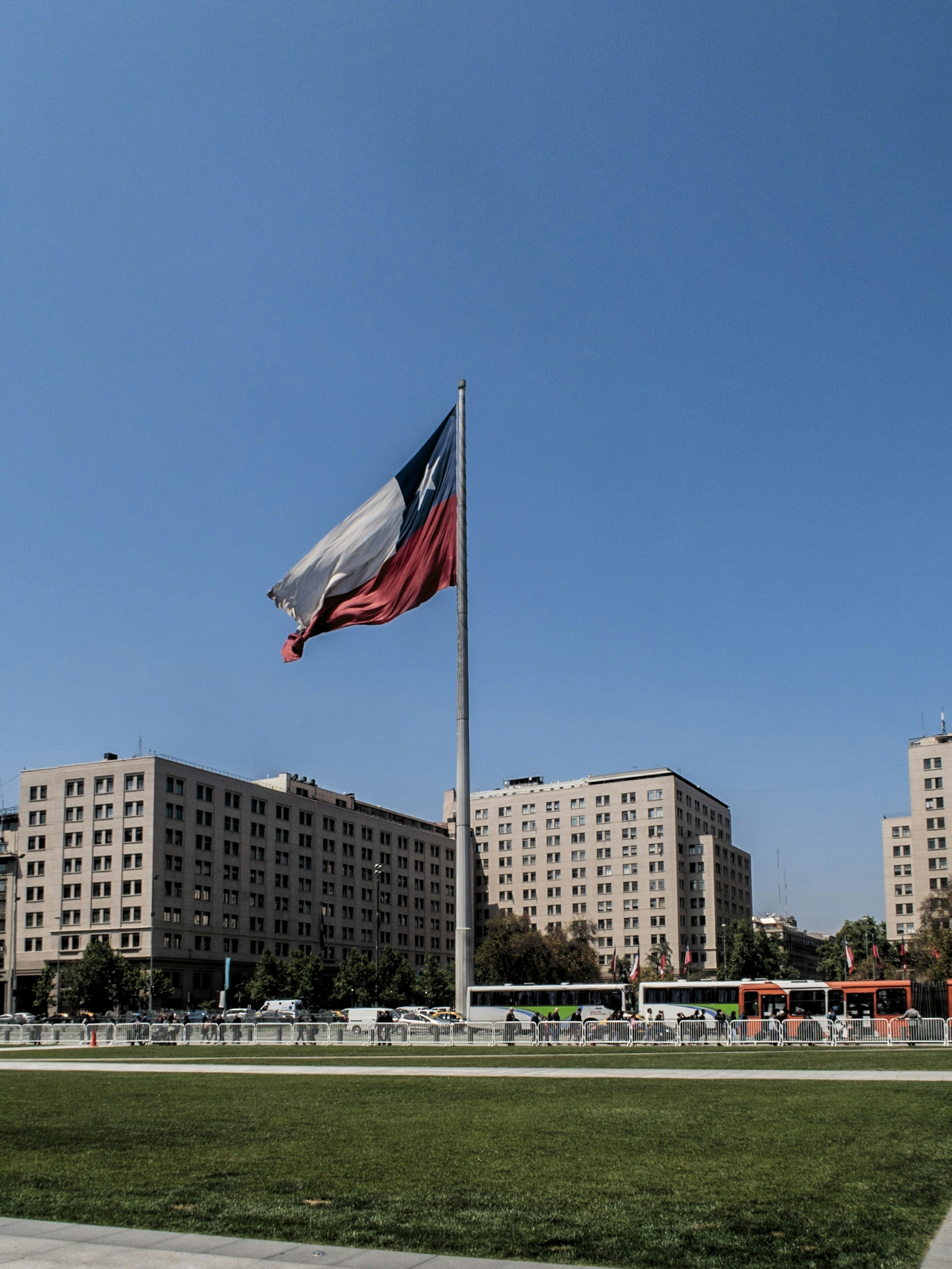
Nationalisation is generally not a good idea, except in a crisis — Sweden taking over its banks after the housing bubble burst in the early 1990s is the classic case. Yet several governments are once again openly discussing taking over underperforming businesses.
Chile ran the experiment at scale
In 1970 the left-wing president Salvador Allende launched one of the largest nationalisation programmes ever seen in a democracy. Researchers reconstructed the accounts of 71 large Chilean companies between 1967 and 1973; 32 of them were nationalised. Afterwards their return on assets fell by 11 to 13 percent on average, and sales over assets by 20 percent.
Voters were not impressed either
The populist play did not even pay at the ballot box. In the 1973 municipal elections, the governing coalition lost between 1 and 4 percent of the vote in areas exposed to nationalised factories, with no offsetting gains elsewhere.
Bad for the economy, bad for the people, and ultimately bad for the politicians who started it. A simple lesson that gets forgotten every few decades.
Why it matters
Nationalisation is usually sold as giving the wealth back to the people. Chile's books suggest that seizing an asset and running it well are two different skills, and that voters notice the difference before the economists do.


Curated from high-quality sources, with concise summaries and key takeaways.

