The class that ruled 19th century Britain barely studied science at school, got up near noon, and spent five months a year at parties, held together by one dense social network.
Books about successful people today tell you to rise at five, take cold baths and stick to science and maths. A century ago, the British upper class that actually ran the world did the opposite.
School: no science required
Elite boys were sent to boarding school at eight, where what they learned was not knowledge but how to live among their peers. Classroom hours were short and the curriculum was mostly Latin and Greek. One headmaster said he would rather his son believed the sun went round the Earth than make physics the main thing in his mind.
What schools cared about was character, physique, team spirit and the bonds between boys. Cricket and football could take up several afternoons a week. Students also largely governed themselves, with senior boys acting as prefects over the younger ones.
University: easy in, coursework optional
Oxford and Cambridge accepted almost everyone who applied, and many aristocratic students took only the easiest degree. The point was not professional training but turning a student into a well-rounded gentleman fit for any career.
Socialising was the day job
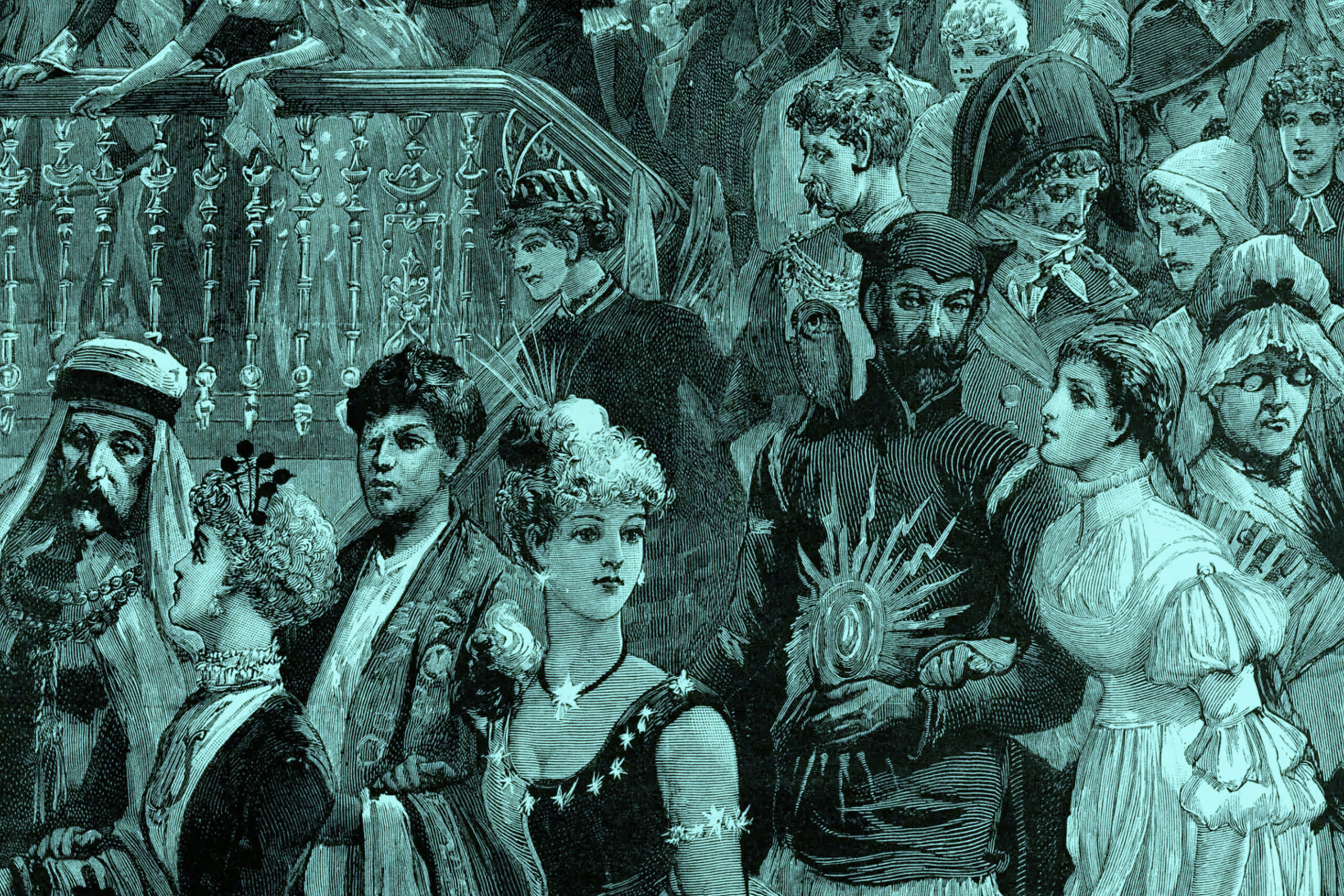
As adults, elites read the papers at home in the morning, worked a few hours at the office, then changed for dinner. For five months a year, during the parliamentary session known as the Season, the whole ruling class crammed into two London districts, dining, dancing and playing cards until the small hours.
On paper these people worked four or five hours a day. But the dinners and balls were the information network: jobs, investments and political decisions all moved across the table. This was not laziness, it was the total fusion of work and social life.
The system had a side benefit. Britain's elite became a single tight-knit village, avoiding the elite civil wars seen elsewhere. MPs were unpaid and paid their own huge election costs, yet the richest men fought to get in, because in that network prestige was the hard currency.
Why it matters
The idea that socialising is the work deserves a second look: many companies today demand long hours while pretending team dinners and networking do not count as work, whereas the Victorians treated them as the main job and genuinely ran an empire on them for a century.

Curated from high-quality sources, with concise summaries and key takeaways.

