The author bought a single Liverpool share for £1,950 in 1996, doubled his money in months and sold; eleven years later shares went for £5,000, but what he really gave up was the lifetime priority ticket rights.
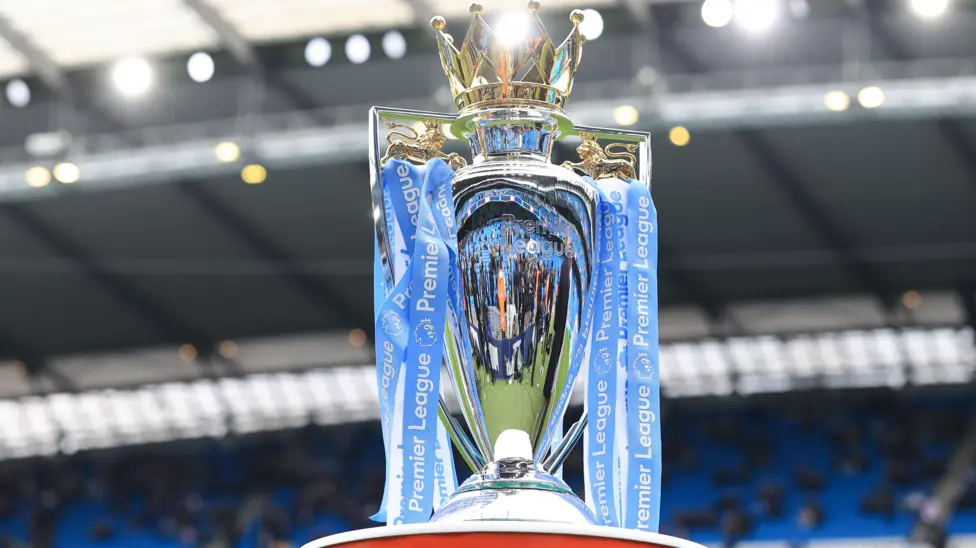
In 1996 the author paid £1,950 for one share in Liverpool Football Club. Football was unfashionable then; after England hosted Euro 96 the country went mad for it, the shares doubled in months, and he had just bought a house, so he sold.
Right price, wrong thing sold
For a century minority shares changed hands privately, until a 1991 platform began trading unlisted stocks over the counter, and Liverpool became one of its most prominent listings.
Eleven years later buyers paid £5,000 a share, so the author did catch the big move. What he regrets is not the price but the sweetener the buyers used to squeeze minorities out: lifetime priority on cup and final tickets.
Liverpool played nine finals in the past decade alone. Those priority rights were never quoted on any market, and they were the asset he actually surrendered.
Even oligarchs are priced out now
In 2010 every member of the Forbes 400 could have bought Liverpool for less than half their net worth. Today, despite a huge rise in global wealth, only 88 could.
So sovereign funds and private equity moved in. Among England's 92 league clubs, a fifth have private capital in their ownership; in the Premier League it is 40%. KKR, Apollo and Sixth Street are all raising sports funds.
Is football really an asset class
Club owners pour cold water on it: run as an investment, it would have gone wrong fast. What private equity may want is not trophies but a huge market capital has barely entered.
Why it matters
Priority ticket rights sit in no financial statement, yet they are what a small shareholder really owns: price is quotable, value is not. As private equity treats unlisted sports clubs as a new asset class, the people squeezed out are not only old-school owners but anyone holding a single share and no seat at the table.

Curated from high-quality sources, with concise summaries and key takeaways.

