When a simian AIDS-like virus swept a Texas primate sanctuary in 2020, macaque groups that merely witnessed the outbreak became far warier of feces-contaminated food, much as people scrubbed packages early in COVID.
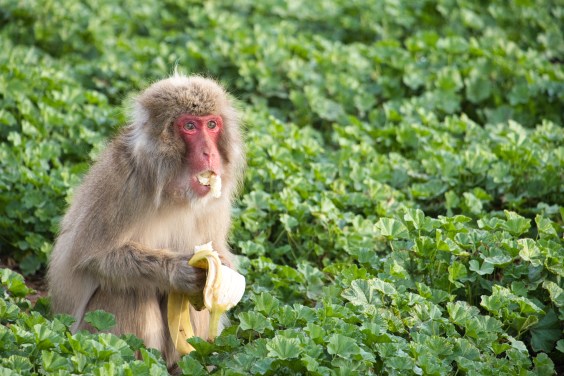
In 2020, a simian retrovirus that causes an AIDS-like immune deficiency spread through three of four Japanese macaque groups at a Texas primate sanctuary. Cognitive scientists at UC San Diego turned the accident into a natural experiment.
Monkeys that had been through it started checking their food
Researchers gave 55 macaques a choice: fruit on wood or a kitchen sponge, versus fruit on a surface coated with real macaque feces. Unexposed groups ate the contaminated-looking food in 79 percent of trials. The three exposed groups, infected or not, went for it in only 47 percent.
The virus actually spreads by bites and scratches, not food or feces. The monkeys had no idea how it spread, yet raised their guard across the board — much like people disinfecting packages and washing produce with soap early in COVID.
Disgust is learned, not innate
The team reran the experiment with macaques raised in different settings: pet monkeys that grew up with humans were more willing to eat the dirty-looking food than those born in sanctuaries and raised by macaque mothers. The researchers suggest the pets never had the chance to learn avoidance from their mothers and peers.
Disgust keeps people away from feces, vomit and wormy food, but early experience shapes it. Groups have histories, and those histories show up in behavior. Next time a pandemic comes, people who lived through COVID will probably scrub the packages all over again.
Why it matters
It drags the question of where disgust comes from out of philosophy and into an experimental cage: a group's history rewrites how individuals react to filth, even when that reaction has nothing to do with how the disease actually spreads. Public health messaging has to contend with fears already baked into behavior, not just with the facts.


Curated from high-quality sources, with concise summaries and key takeaways.

