The US National Institute of Standards and Technology recruited 27 federal forensic facial examiners; on average they needed to reveal only one or two facial features to pick a hidden face out of two lookalikes, scoring about 90 percent.
A security camera catches you in profile, with only a sliver of cheek showing. Facial-recognition AI hits 99 percent accuracy in the lab, but once the light is bad or someone is wearing sunglasses, it starts picking the wrong person.
Turn over one card
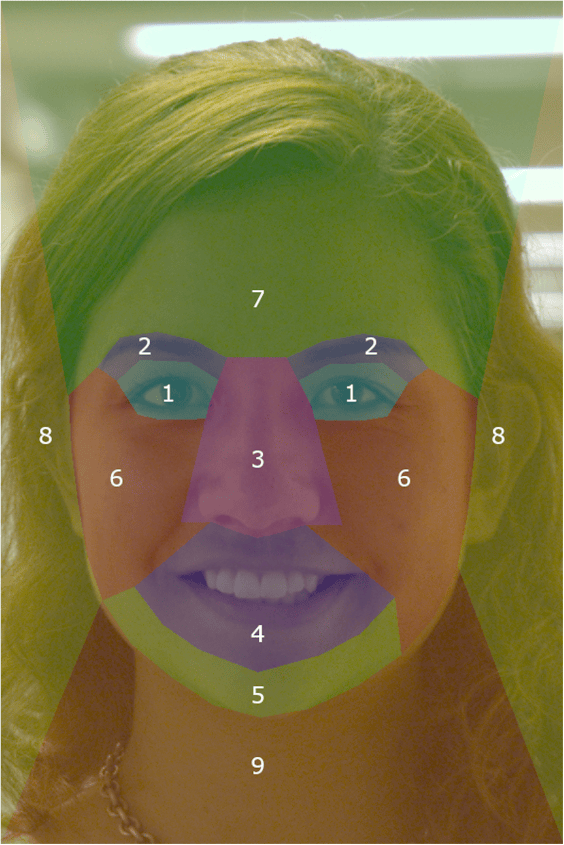
NIST brought in 27 forensic facial examiners who work for the federal government. The experiment gave them two similar faces and one hidden face. The examiners could uncover nine features one at a time: cheeks, chin, ears, eyes, eyebrows, forehead, neck, nose and mouth.
Revealing fewer features earned more points. On average they identified the hidden face correctly after uncovering just one or two features, scoring about 90 percent. The study appeared in PLOS One.
Ears are the ace
Ears were the experts' favourite first pick, and for good reason: they are highly distinctive. Surprisingly, the rarely chosen forehead was linked to the highest accuracy, while chin and neck helped least.
Study author Carina Hahn said what surprised her most was that specialists could judge identity from a single feature most of the time, and that they switched strategy face by face instead of following one fixed rule.
The setup used ideal images, not real street footage. The team says the findings could later train both human examiners and AI. Want to dodge recognition? Pack earmuffs.
Why it matters
When AI fails, the human brain can still pull an answer out of a single ear. That is a gap in the armour of facial recognition: covering a key feature beats blurring the whole face, and the next lesson for AI may come from how these old hands choose what to uncover.


Curated from high-quality sources, with concise summaries and key takeaways.

