Two psychologists argue that classic social psychology, from Milgram to the Stanford prison experiment, overrated the power of the situation and underrated people's stable inner selves.
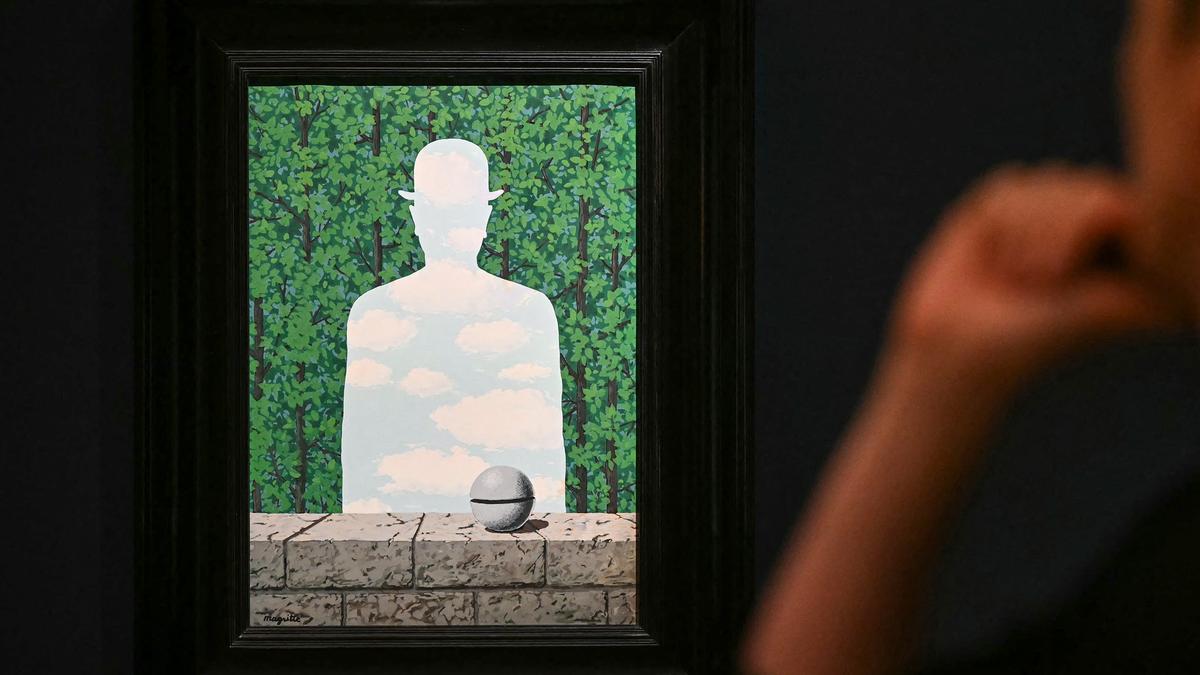
One strand of social psychology has been built on a quiet assumption: that people bend to the situation, warmer toward a stranger after holding a hot coffee. The authors call this the empty-self metaphor.
The trouble is the evidence. In one review, only 17 per cent of social priming findings survived replication, and the authors' own work found that studies resting on the empty-self assumption were far less likely to hold up.
What I find more interesting is why the idea caught on: it lets you believe society could be set right by remaking the environment.
In the end I side with the authors: we are not as putty-like as those classic experiments suggested.



Curated from high-quality sources, with concise summaries and key takeaways.

