Fifty people who had near-death experiences drew them as geometric shapes and reported four kinds of space — cones, broad arches, gentle curves and the inside of an egg — with the cone matching the famous tunnel of light.
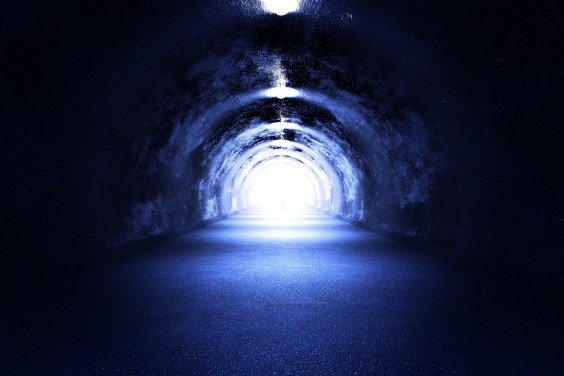
The study asked 50 people who had had near-death experiences to reconstruct them as geometric shapes. Four kinds of space came back, and one of them, the cone, is exactly the tunnel leading to a bright light in so many of these stories.
The researchers' explanation is deflating: when people faint or are starved of oxygen, peripheral vision narrows and colour fades first, while the brain pathway handling motion and brightness is poor at colour. The tunnel and the light may just be the visual system shutting down.
One caveat the authors raise: the experiences happened a median of 15 years earlier. Still, the line about the experience being a Rorschach test, where you see whatever you need to see, has stayed with me.



Curated from high-quality sources, with concise summaries and key takeaways.

