MIT researchers scanned younger and older volunteers across a night of sleep and found that in the older group, the pulses of cerebrospinal fluid that flush waste from the brain were markedly weaker.
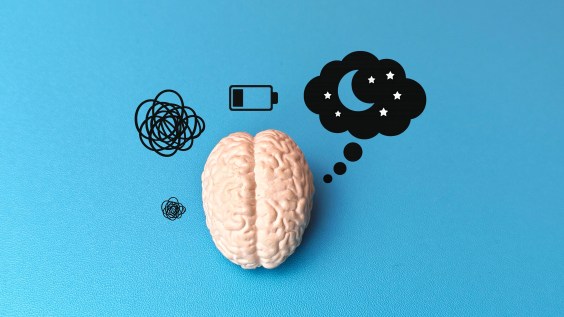
During sleep, slow brain waves push pulses of cerebrospinal fluid through the brain, washing away the waste that built up during the day. MIT researchers scanned two groups across a night and found these pulses were markedly weaker in the 60 to 84 group.
They then tested the awake brain: neurovascular coupling and blood-vessel dilation were both weaker in the older participants, but that still did not account for the whole gap.
What surprised me most is that some older adults had CSF pulses indistinguishable from the young. The researchers now want to know what is different about them.



Curated from high-quality sources, with concise summaries and key takeaways.

