In 2024, researchers at Ghana's MinoHealth AI Labs removed the guardrails from their drug-discovery model; it produced designs for 1,020 proteins and 5,000 small molecules, and toxicity-prediction software scored all of them as likely toxic.
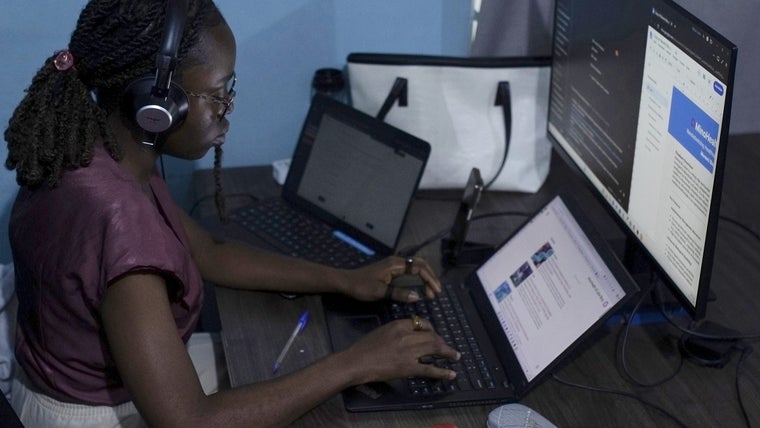
A group of researchers in Ghana got curious and stripped the guardrails off their own drug-discovery model, then asked it to design toxins. It came back with designs for 1,020 proteins and 5,000 small molecules, and toxicity-prediction software rated every one of them as likely toxic; some resembled ricin.
What surprised me most is the scale gap: the team has 20 people in an ordinary bungalow in Accra and a Gates Foundation grant of about $149,533. Yet its findings have been discussed inside Interpol.
Founder Darlington Akogo now travels the world warning about AI bioweapons, and once had dinner with Bill Gates to make the case. A small lab stumbling onto a large problem first is more telling than the conclusion.
Curated from high-quality sources, with concise summaries and key takeaways.

