Monday, 16 November 2026
Dozens of blogs and magazines, read for you every morning — the few worth talking about

International Air Balloon Festival in Leon, Guanajuato, Mexico, 2012
A musician's public-domain folk cover went viral, was sampled by DJs, and then was hit with a copyright strike from an AI content mill — and YouTube's automated system rejected her appeals twice.

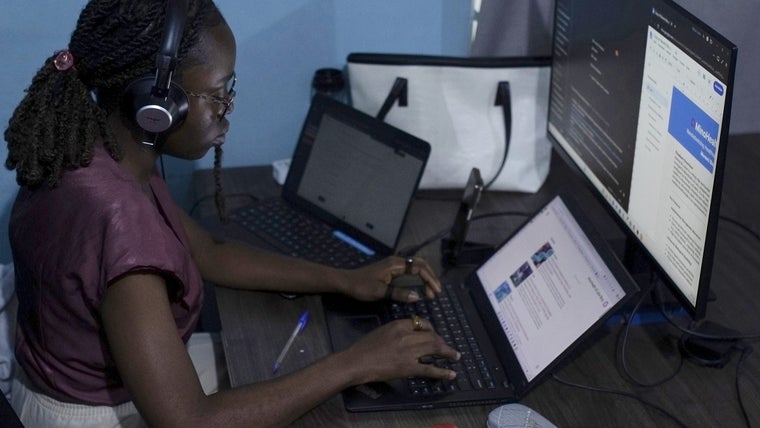
A group of researchers in Ghana got curious and stripped the guardrails off their own drug-discovery model, then asked it to design toxins. It came back with designs for 1,020 proteins and 5,000 small molecules, and toxicity-prediction software rated every one of them as likely toxic; some resembled ricin.
What surprised me most is the scale gap: the team has 20 people in an ordinary bungalow in Accra and a Gates Foundation grant of about $149,533. Yet its findings have been discussed inside Interpol.
Founder Darlington Akogo now travels the world warning about AI bioweapons, and once had dinner with Bill Gates to make the case. A small lab stumbling onto a large problem first is more telling than the conclusion.
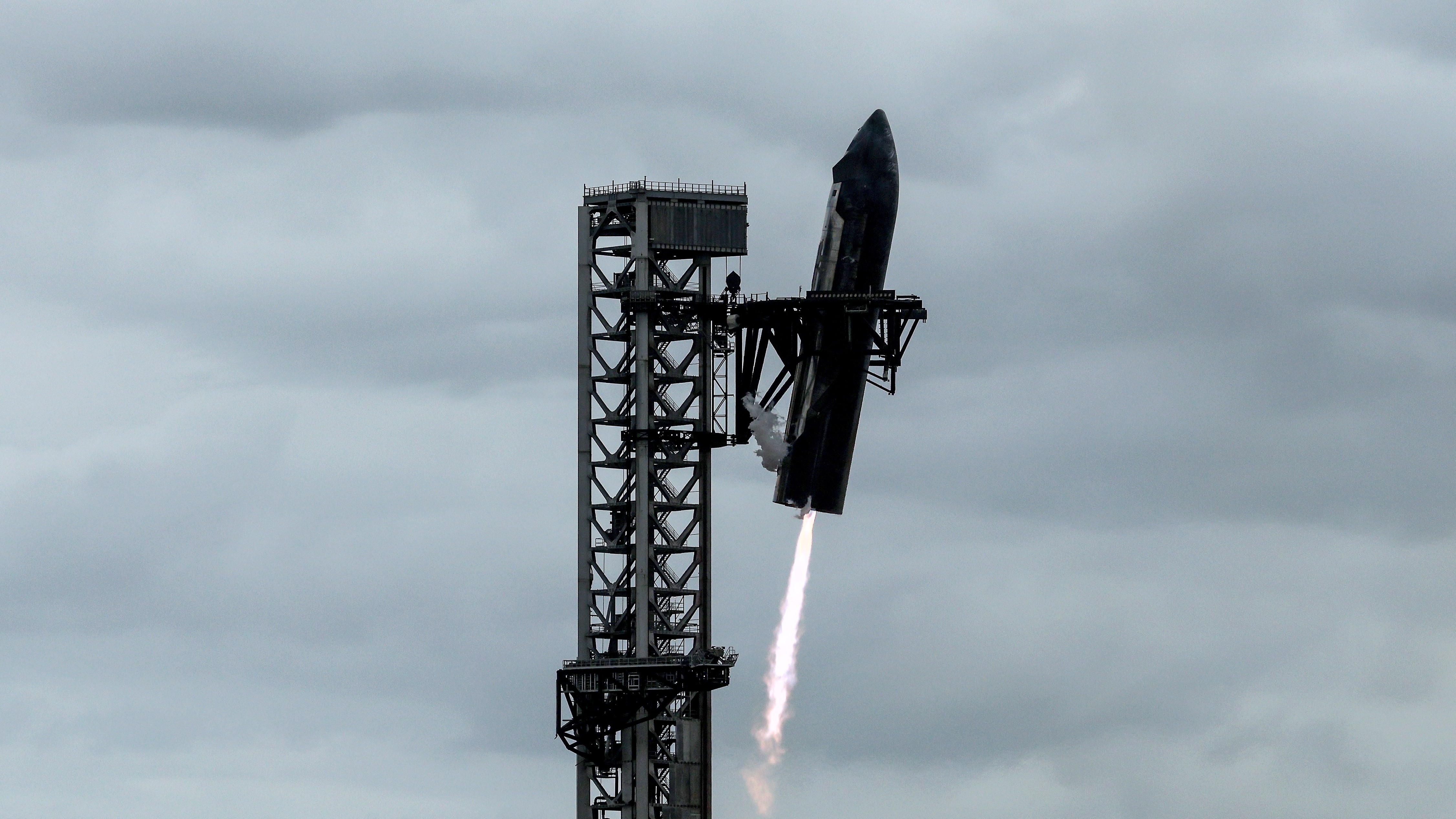
The largest and most powerful rocket in the world circled Earth 14 times at 17,000 miles per hour, hit the atmosphere wrapped in plasma hotter than the surface of the sun, then straightened itself and settled into two robotic arms reaching out from the launch tower.
What surprised me most was Tom Mueller's recollection: when Musk first proposed catching a rocket in midair 'like catching a fly with chopsticks,' the engineers rolled their eyes. There was just no way.
I will admit Musk is an omnidirectional boor, and also that he builds awesome rockets. Both can be true at once.
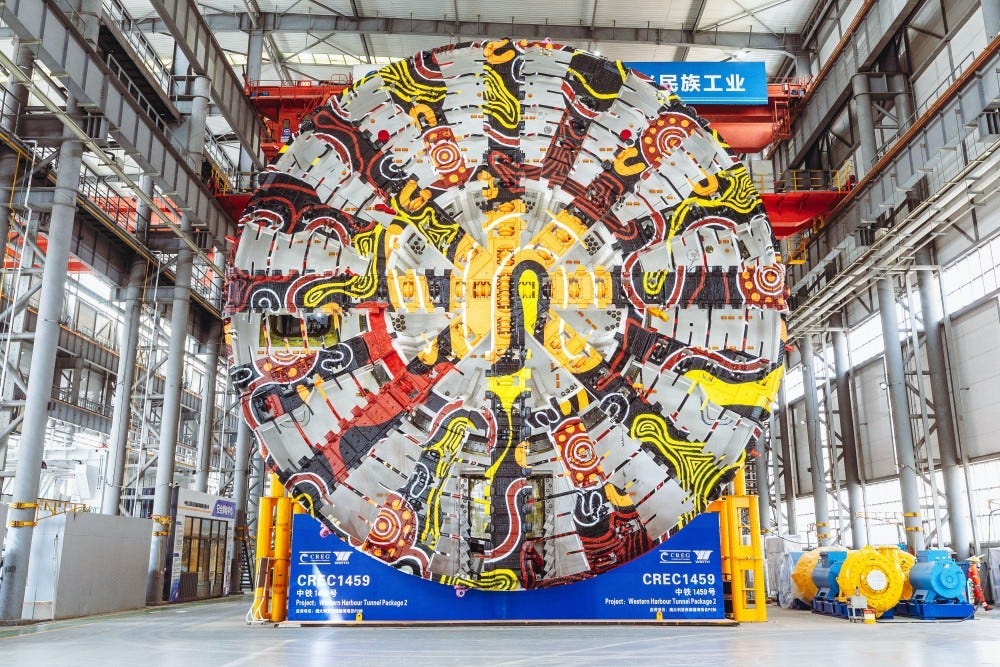
The most concrete target in this round is India: after the 2020 border clashes, China slowed customs clearance for tunnel boring machines bound for India, suspecting they were being used to dig in disputed areas.
The list runs from TBMs to dredger cutter heads, solar wafer equipment and drone motors. The language is deliberately vague, naming only 'countries and regions that have disputes with China', and execution comes down to licensing decisions.
The detail I keep thinking about: exports of solar tools to the US were allowed to surge over the same period. Even a control regime can pick its direction.
At the end of 2019, only 70 of the world's large listed companies had committed to long-term net zero targets. By the end of 2024 that number had risen to more than 1,200, accounting for two-thirds of the sample's combined market cap.
How are the pledges doing? The study estimates that three years after a company adopted a target, absolute emissions were down about 15% on average and emissions intensity nearly 10%. The direction is right, but the effect is too small to be statistically significant.
What I am more curious about is how targets that only come due in 2040 or 2050 should be booked today.

Penicillin blowing in through an open window is a story I have heard since childhood. The article notes that Fleming first told it in 1945, while colleagues testified the window was 'seldom if ever opened'.
Pasteur is the bigger surprise. After going through his letters, historians found that the key chicken-cholera experiments were done deliberately by his assistant while Pasteur was away at his daughter's wedding.
I used to think these tales were just popular retellings. Now it seems that calling them accidents erases the real work behind hundreds of experiments.
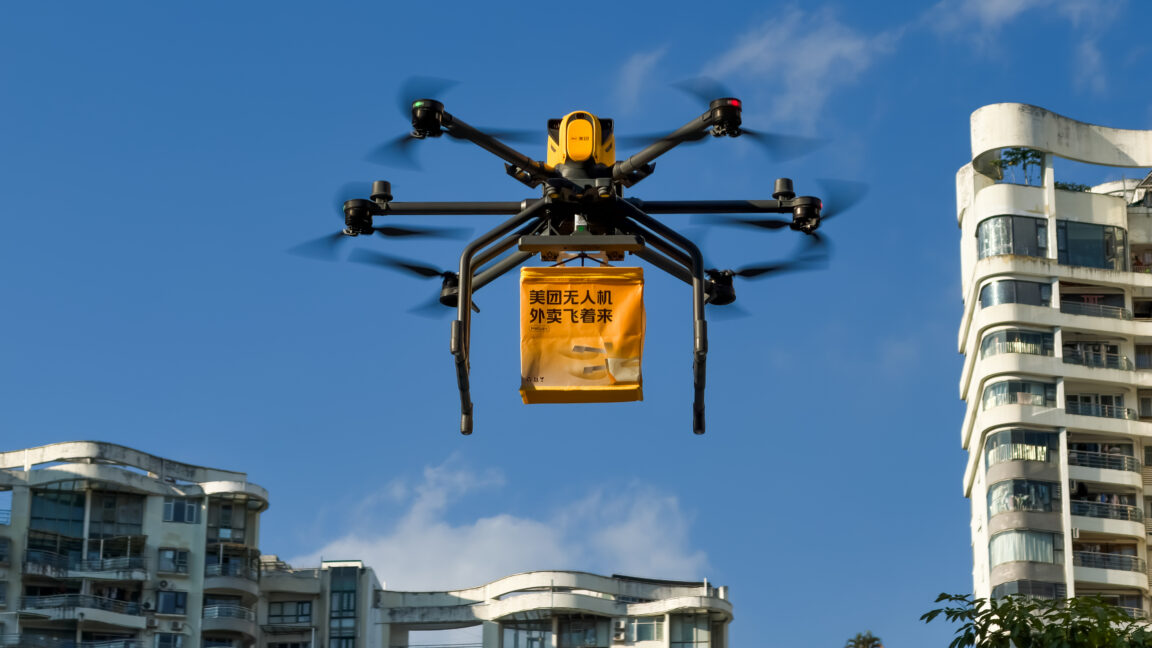
Amazon wants to expand Prime Air drone delivery to nearly 500 cities and towns, with DoorDash and Zipline following. For most people that is a novelty; for others it is not.
In Gaza, the psychiatrist Abu Slaih documented 19 patients: all of them had an intense phobic reaction to the sound of drones, the 'zannana', some with full-blown panic attacks, and three children developed a fear of looking at the sky.
A new sound overhead means someone else's trauma has been delivered into the same sky.
A mid-level engineer at Facebook quit, spent years unemployed making clothes, learning ballet, dyeing her hair and winning hackathons; a former maths olympiad star sat on his girlfriend's couch playing Hearthstone until he ranked among the world's best. Both are now billionaires, and the startup they co-founded, TypeSafe AI, was just valued at $7.5 billion.
The author calls this bumbition, bum plus ambition: no grinding day to day, then maximum effort the moment the right chance appears. He counts Steve Jobs, Ulysses S. Grant, Darwin and Haruki Murakami as the same type.
The best turn comes at the end: AI is the ultimate hill-climber, so the human job worth paying for may be figuring out which hill to climb.
“The misuse case to which I'd attach greatest weight – is AI's potential to change the stakes on existing or even new bioweapons.”
“China doesn't necessarily make the best dredgers or dredging components, but they do crank them out in incredible quantities at unbeatable prices. That combination translates to leverage over budget-constrained rivals eager to get their hands dirty with industrial policy.”
“'Chance favors only the prepared mind', as Pasteur put it.”
“The escalating pitch as a drone draws near elicits fear and helplessness even before an attack.”
“AI algorithms are consummate hill-climbers — set them to a task, give them some data, and they'll be more ambitious than the hardest-working Stanford law student.”

